








Now Reading: Macro diet: protein, carbs and fat guide for better nutrition
-
01
Macro diet: protein, carbs and fat guide for better nutrition


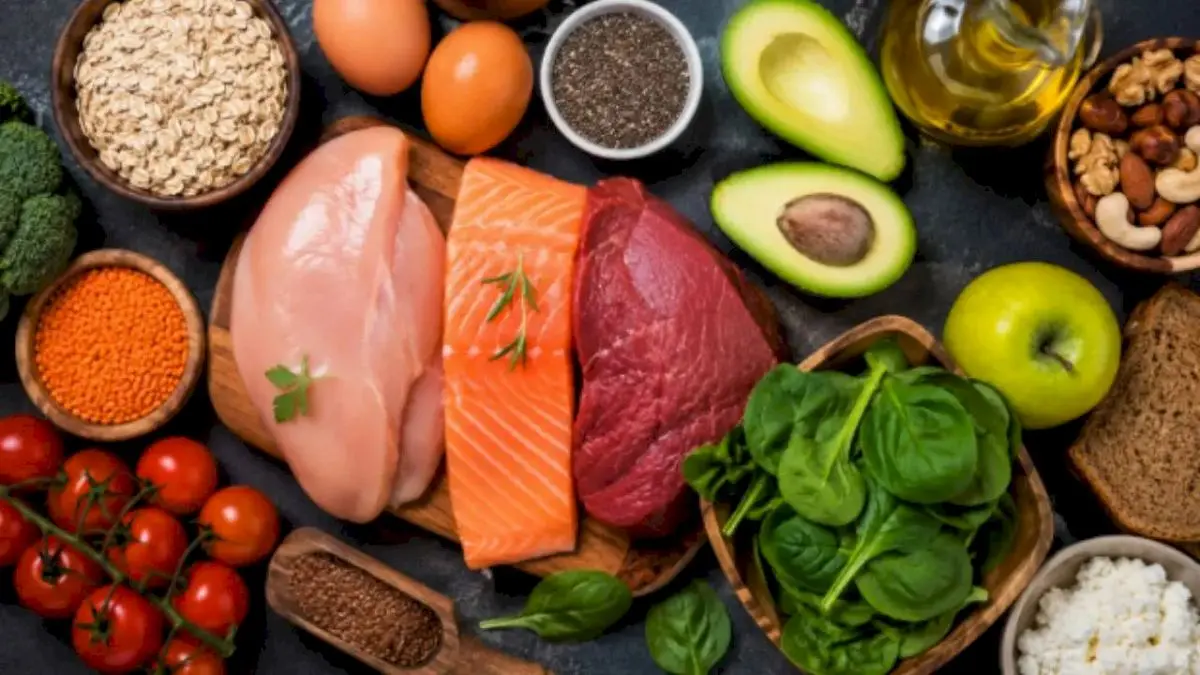
Macro tracking monitors protein, carbohydrates and fat, the three macronutrients the body needs in large amounts. Protein helps build and repair tissue and provides roughly 4 calories per gram; carbohydrates are the…
The Story in Brief
Macro tracking monitors protein, carbohydrates and fat, the three macronutrients the body needs in large amounts. Protein helps build and repair tissue and provides roughly 4 calories per gram; carbohydrates are the main energy source, also at 4 calories per gram; and fat, essential for hormone production and vitamin absorption, gives about 9 calories per gram. The ideal ratio varies by age, activity and goals, but general guidelines recommend 45-65% of daily calories from carbs, 20-35% from fat and 10-35% from protein. Tracking macros can increase dietary awareness but is not necessary for everyone, and over-focus may harm your relationship with food, the article notes.
The Indian Opinion
The tech-backed wellness world pitches ‘macro tracking’ as a must for everyone from gym-goers to desk workers, but sliding into micromanagement of every gram of food needlessly turns eating into a mathematical chore. The article itself points out: for most, simply eating more whole grains, legumes, vegetables and high-quality animal or plant protein works well without iotas of precision. The real test is whether common-sense Indian choices, dal, roti, sabzi, whole dahi, deliver the nutritional variety our bodies need, without a food diary wedded to our fingertip.
Source: timesnownews.com
This story was synthesised by AI from the source linked above.