






















Now Reading: India caps weakest monsoon since 2015, food price risks rise
-
01
India caps weakest monsoon since 2015, food price risks rise


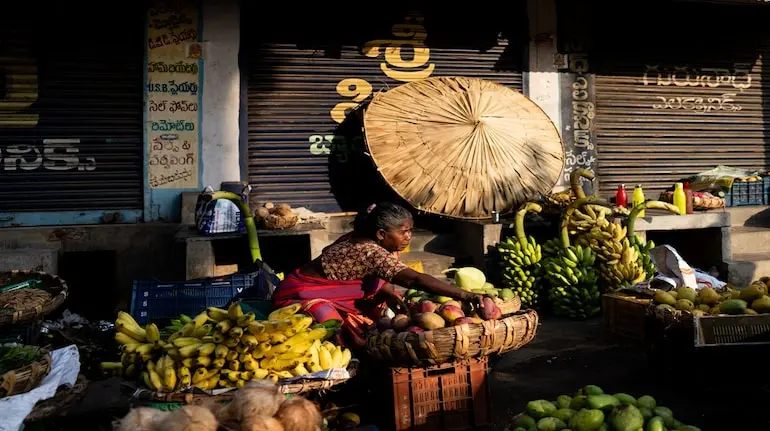
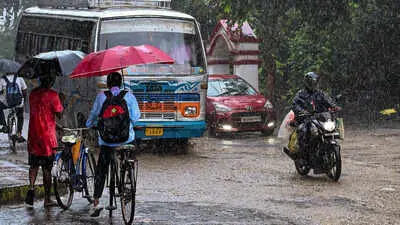
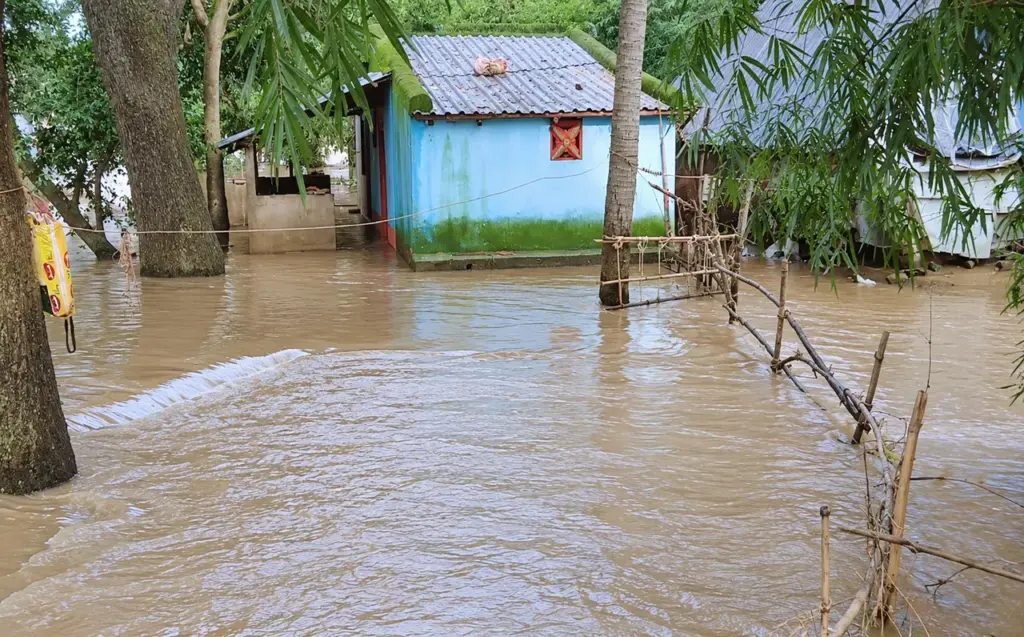
India's June-to-September monsoon rainfall was 12.6% below the long-term average, the weakest since 2015, the India Meteorological Department reported on Wednesday, 30 September. The deficit, worse than the 10% decline forecast in May, threatens crops from rice to sugar cane and soybeans, and has already pushed food inflation to 5.95% in August, its highest in 2026.
Rainfall was normal in only 42% of assessed districts, while 38% were deficient, IMD Director General Mrutyunjay Mohapatra said. A powerful El Niño, forecast by the World Meteorological Organization to intensify by end-2026, could pressure winter crops and food prices. The government has cut import duties on edible oils and allowed duty-free raw sugar purchases to curb prices. The dry weather has also depleted reservoirs and hydropower output.
Indian Opinion Analysis
Coverage is largely uniform on the monsoon deficit and food-inflation risks. NDTV Profit frames the story through equity-market exposure, listing sectors at risk from a rural demand shock. Moneycontrol emphasises policy buffers, government stocks, procurement and recent duty cuts, and cautions that current price moves should not be attributed to El Niño yet. Claims Journal leads with the decade-low rainfall figure and reservoir depletion, noting potential rate action by the central bank. The differences are of emphasis rather than factual conflict: market vulnerability versus policy cushion versus inflation trajectory.
Coverage: 4 sources, 4 neutral
Sources (4): ndtvprofit.com (neutral report), moneycontrol.com (neutral report), claimsjournal.com (neutral report), ndtvprofit.com (2) (neutral report)
This brief was synthesised by AI from the 4 sources linked above, so one read covers every framing they carry. Methodology and corrections.