














Now Reading: 188 ecologists warn India of ‘super’ El Niño, urge monitoring
-
01
188 ecologists warn India of ‘super’ El Niño, urge monitoring


A group of 188 Indian ecologists and researchers has issued an urgent call to prepare for a 'super' El Niño expected to hit India from November 2026 into early 2027. The joint…
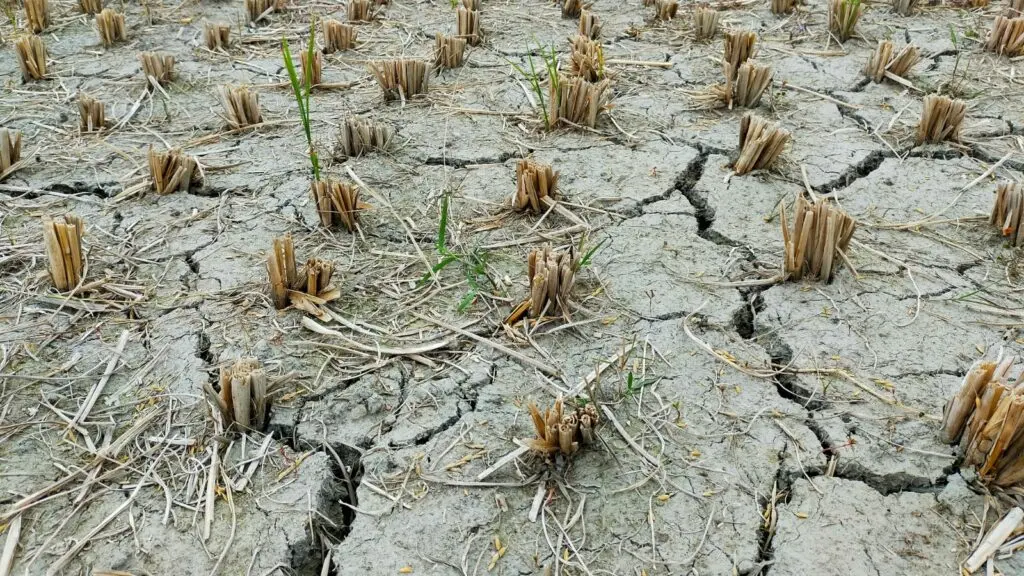
A group of 188 Indian ecologists and researchers has issued an urgent call to prepare for a 'super' El Niño expected to hit India from November 2026 into early 2027. The joint appeal, released in September 2026, warns that Pacific sea surface temperatures have risen 2.6°C above normal since May and could peak at 4°C above average, a magnitude not seen in 1,000 years according to coral core data. The scientists predict extreme heat, weakened monsoons, and marine heatwaves that could destabilise coral reefs, forests, mountains, and freshwater ecosystems across the country.
The ecologists urge real-time monitoring rather than retrospective analysis. They call for maintaining long-term studies, setting up local weather stations, coordinating cross-regional research, and using satellite data to establish baselines. The appeal also warns of cascading effects on human communities: coastal fishing populations may face disrupted fish stocks, agro-pastoralists could see reduced grazing, and urban heat-island effects may worsen. The researchers have appealed to government agencies and funding bodies for logistical support. Rohan Arthur of the Nature Conservation Foundation, one of the signatories, said the goal is to document the event and be prepared, as climate change has made each El Niño more intense.
Indian Opinion Analysis
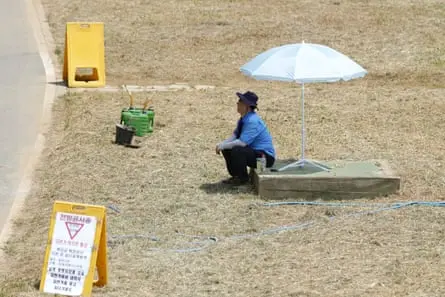
The Guardian frames Asia's response as scrambling to cope, emphasising government failures and the human toll. In contrast, both ThePrint and Research Matters present the ecologists' appeal neutrally, focusing on scientific data and calls for monitoring. The Guardian omits the 188-signatory appeal entirely, narrowing its lens to government action. The Indian outlets prioritise the scientists' proactive demand for data collection, implying a gap between official readiness and ecological reality. The coming months will test whether the government's hyper-vigilant approach, as the agriculture minister described it, translates into funding for the monitoring networks ecologists say are missing. The appeal's deadline is effectively November 2026, when El Niño conditions are projected to intensify.
Coverage: 3 sources, 1 government-critical, 2 neutral
Sources (3): theguardian.com (government critical), researchmatters.in (neutral report), theprint.in (neutral report)
This brief was synthesised by AI from the 3 sources linked above, so one read covers every framing they carry.
Updated: this story now draws on 3 sources.