















Now Reading: India-Israel FTA talks target February conclusion
-
01
India-Israel FTA talks target February conclusion


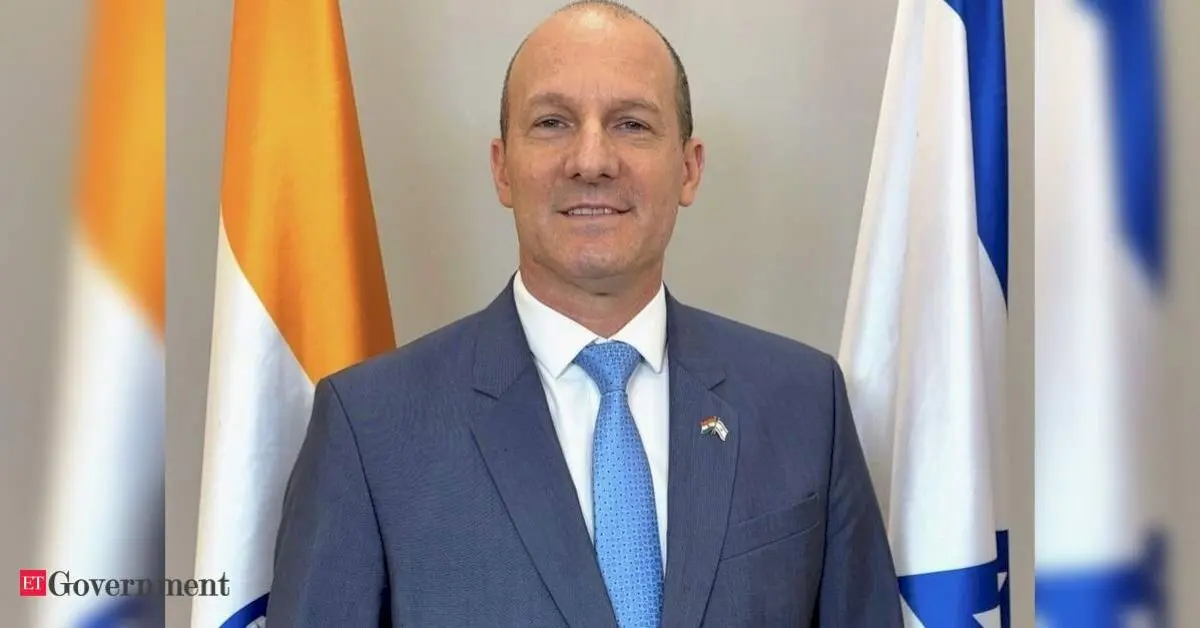
India and Israel have completed two rounds of Free Trade Agreement (FTA) negotiations, with the next round set for October and a possible conclusion by February, Ambassador Reuven Azar told ET. The…
The Story in Brief
India and Israel have completed two rounds of Free Trade Agreement (FTA) negotiations, with the next round set for October and a possible conclusion by February, Ambassador Reuven Azar told ET. The pact will go beyond tariffs and market access to create pathways for investment, innovation and technology partnerships. Azar highlighted opportunities for Indian infrastructure firms in Israel, including the $50-billion Greater Tel Aviv Metro project. Bilateral merchandise trade stands at $3-4 billion, but the ambassador said the real potential lies in co-production and adaptation of Israeli technologies for the Indian market.

The cooperation chapter remains the most complex part, with Israel studying mechanisms India used in agreements like the one with EFTA. Azar noted that while Israel is a small, open economy, India offers a large market, so the deal must be mutually beneficial in investment and innovation, not just trade figures.
The Indian Opinion
Indian media often portray FTAs as quick fixes for trade deficits or export boosts. The ambassador's realism is refreshing: headline trade numbers can mislead when much of the India-Israel commerce routes through the UAE. The real test is whether the deal enables Indian firms to adapt Israeli water, agri-tech and defence technologies at Indian prices. Watch the fine print on government procurement and investment commitments, that will show if this FTA is just a tariff-cutting exercise or a genuine innovation bridge.
Source: government.economictimes.indiatimes.com
This story was synthesised by AI from the source linked above.