


















Now Reading: China-India detente gains steam as NITI Aayog proposes easing investment curbs
-
01
China-India detente gains steam as NITI Aayog proposes easing investment curbs

China-India detente gains steam as NITI Aayog proposes easing investment curbs

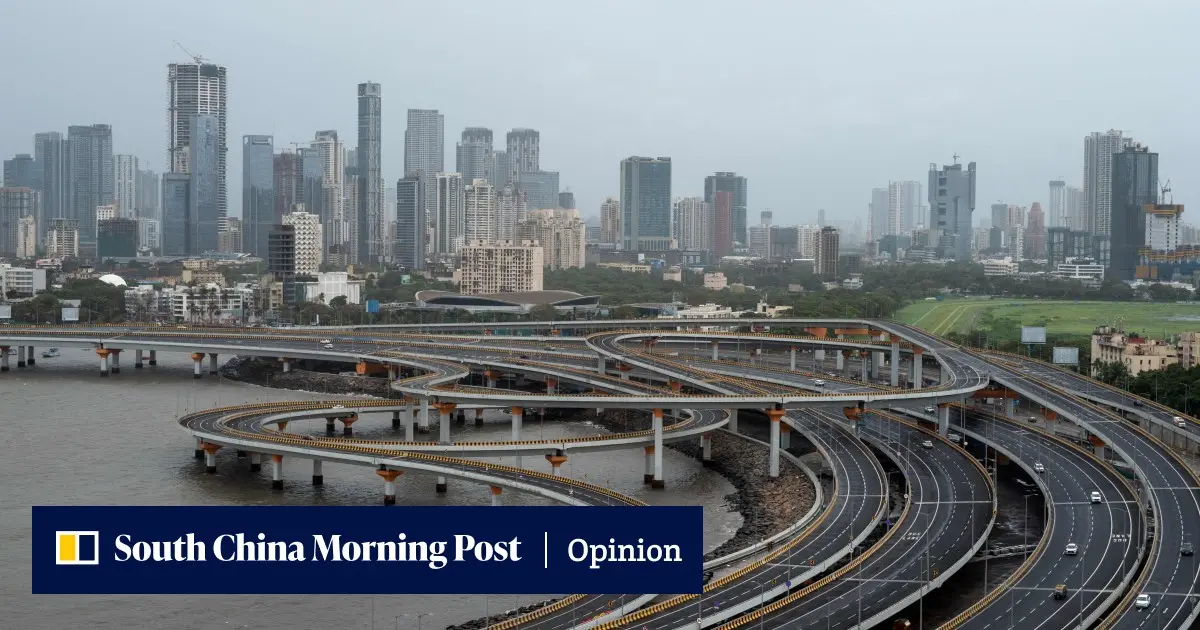
Indian think tank NITI Aayog has recommended that Chinese companies be allowed to acquire up to a 24% stake in Indian firms without mandatory screening, in what would mark a major shift from the investment restrictions imposed after the 2020 border clash. The proposal, backed by the trade ministry’s industries department, is being studied by various ministries and the prime minister's office, according to the South China Morning Post. The rethink is driven by a steep decline in foreign direct investment, which fell to just $353 million last year from $43.9 billion in the year ending March 2021, with Chinese FDI particularly underwhelming even before the Galwan clash.

Broader signs of a quiet thaw include the resumption of direct flights after five years, reopening of the Kailash Mansarovar pilgrimage route, and recent corps commander-level talks. PM Narendra Modi and President Xi Jinping exchanged pleasantries at the SCO summit. Chinese brands such as Xiaomi and Vivo dominate India’s smartphone market, and Chinese EV maker BYD has targeted up to 40% of India's EV market. Bilateral trade reached about $127.7 billion last year, with Chinese exports making up over $113 billion of that. Indian conglomerates such as Adani and JSW are reportedly engaging Chinese firms on technology partnerships.
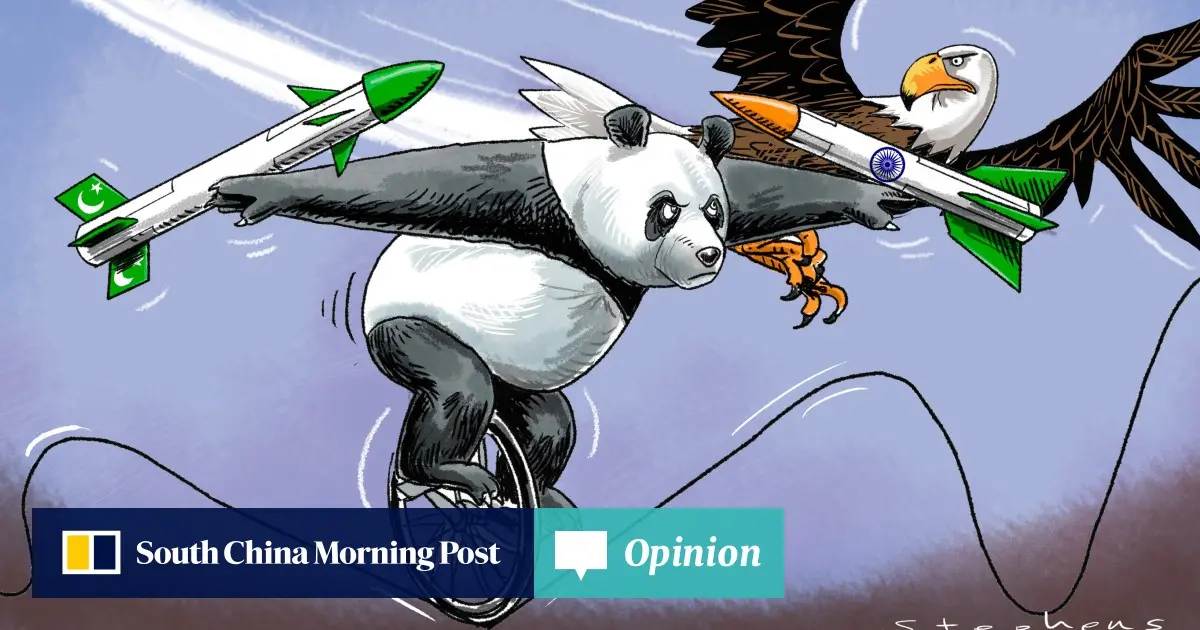
Both sides face strong economic incentives for deeper ties: India needs Chinese inputs for its manufacturing ambitions, while China sees India's vast consumer market as an opportunity amid a slowing domestic economy. However, strategic distrust persists, and the SCMP notes that without more concrete steps, the current calm could remain a tactical pause rather than a strategic moderation.
Indian Opinion Analysis
Both SCMP pieces frame the thaw as economically driven and pragmatically motivated, with no pro-government or critical stance discernible. The first piece focuses on NITI Aayog's investment proposal as a strategic U-turn, emphasising the collapse in FDI and the blocking of BYD's $1 billion plan. The second piece widens the lens to include diplomatic and trade indicators, stressing systemic necessity from US pressure and tariff realignments. Neither source questions India's caution or China's strategic aims. The coverage is uniform straight analysis, not advocacy. A careful reader should note that while economic interdependence is deepening, neither side has addressed the core border dispute, and the 24% stake ceiling itself retains a cautious cap. What to watch: whether the investment proposal is formally adopted, and if BYD's plan revives.
Coverage: 2 sources, 2 neutral
Sources (2): scmp.com (neutral report), scmp.com (2) (neutral report)
This story was synthesised by AI from the 2 sources linked above. Methodology and corrections.
Updated: this story now draws on 2 sources.