















Now Reading: Modi sets 100 GW nuclear target, five reactors this decade
-
01
Modi sets 100 GW nuclear target, five reactors this decade


The Story in Brief
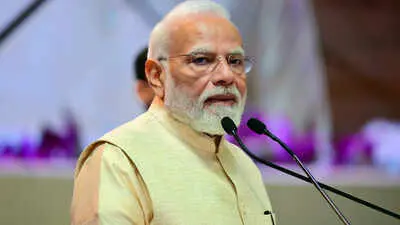
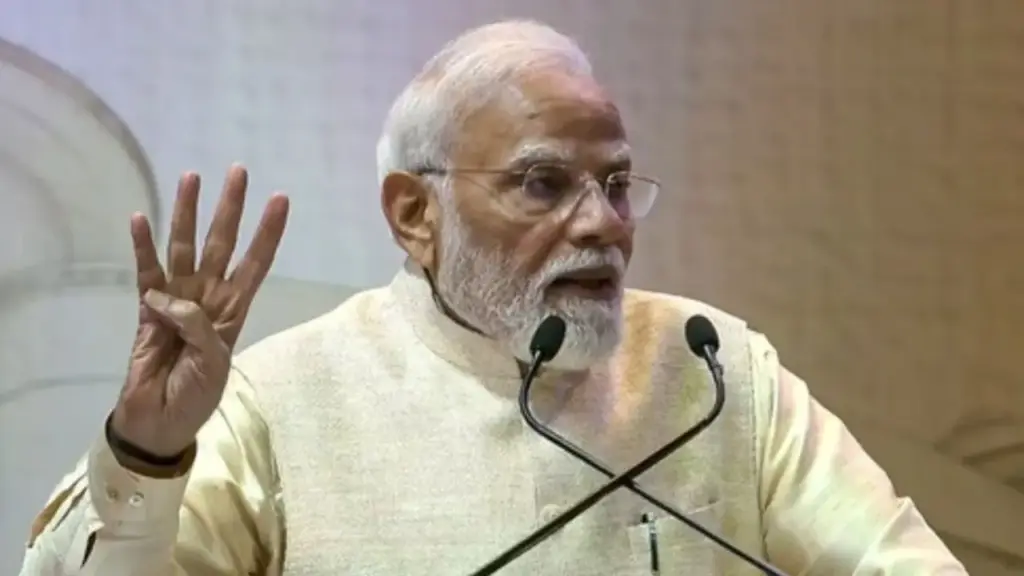
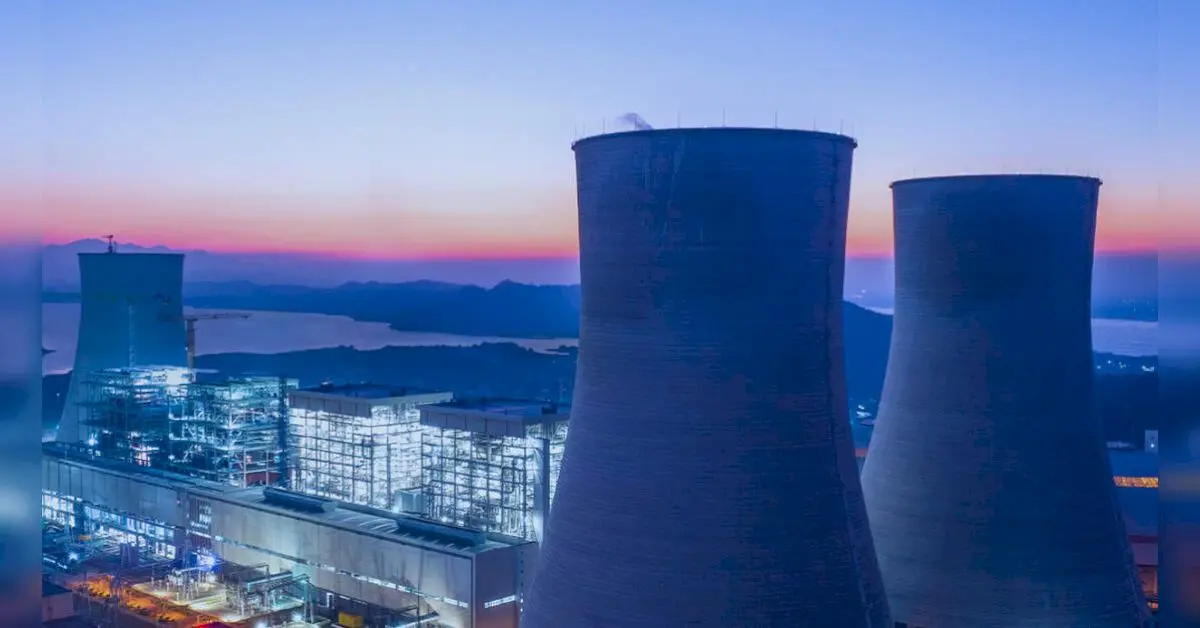
Prime Minister Narendra Modi said India aims to operationalise five new nuclear reactors this decade and reach 100 GW of nuclear power capacity by 2047. Speaking from the Red Fort on Independence Day, he linked the plan to energy security and reduced dependence on imports. Modi said the SHANTI Act had created a framework for expanding nuclear power, while the 500 MWe Prototype Fast Breeder Reactor at Kalpakkam had attained first criticality this year.

India imports nearly 90% of its crude oil and about half its natural gas. The government is also expanding solar power, which Modi said had risen to 160 GW from 2 GW in a decade. The Times of India reports that rising demand from semiconductors, artificial intelligence and data centres is central to the nuclear expansion. The Economic Times reports a Rs 84,084-crore deepwater exploration scheme.
The Indian Opinion
The easy narrative is that nuclear power alone can deliver energy independence. It cannot, given the scale of India’s imports and the long timelines for building reactors. The opposite claim, that the target is meaningless, is also premature. The useful test is execution: how many of the five reactors become operational this decade, and whether nuclear capacity moves credibly towards 100 GW by 2047 without weakening safety oversight or investment in renewables.
Sources (2): energy.economictimes.indiatimes.com, timesofindia.indiatimes.com
This story was synthesised by AI from the 2 sources linked above. Methodology and corrections.
Updated: this story now draws on 2 sources.