

















Now Reading: India to count platform workers but not their employers, critics say
-
01
India to count platform workers but not their employers, critics say


The Story in Brief
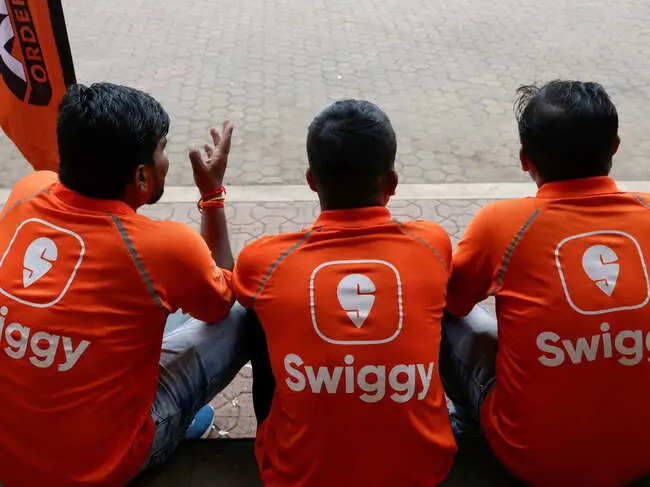
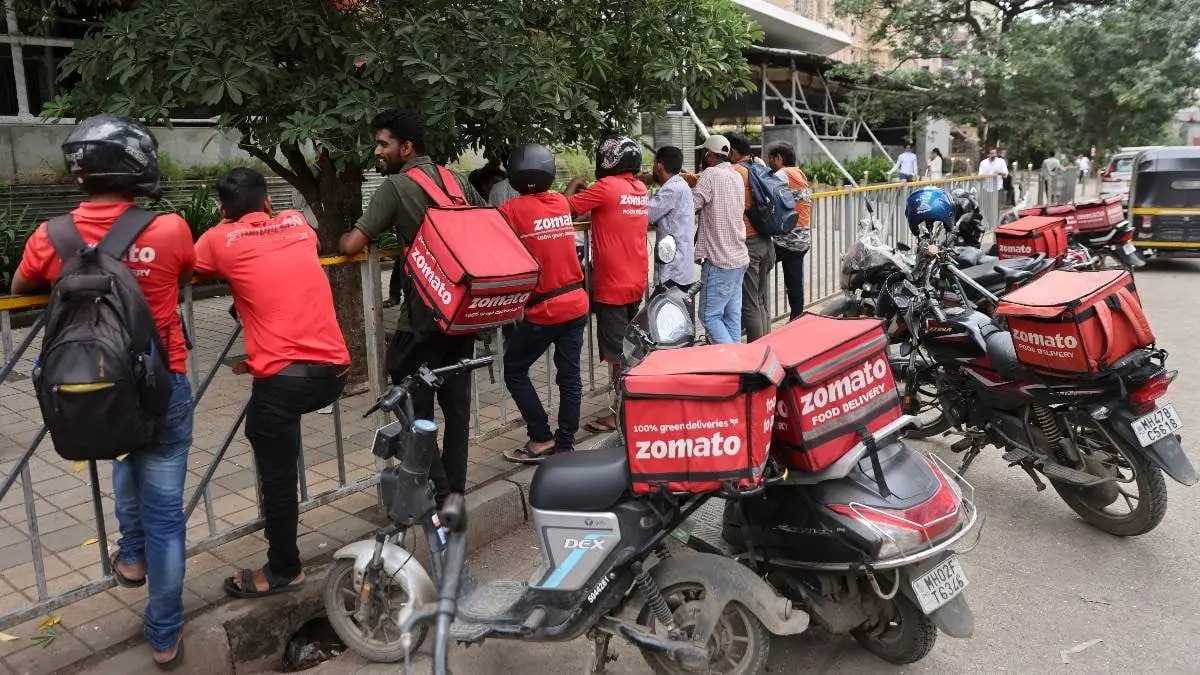
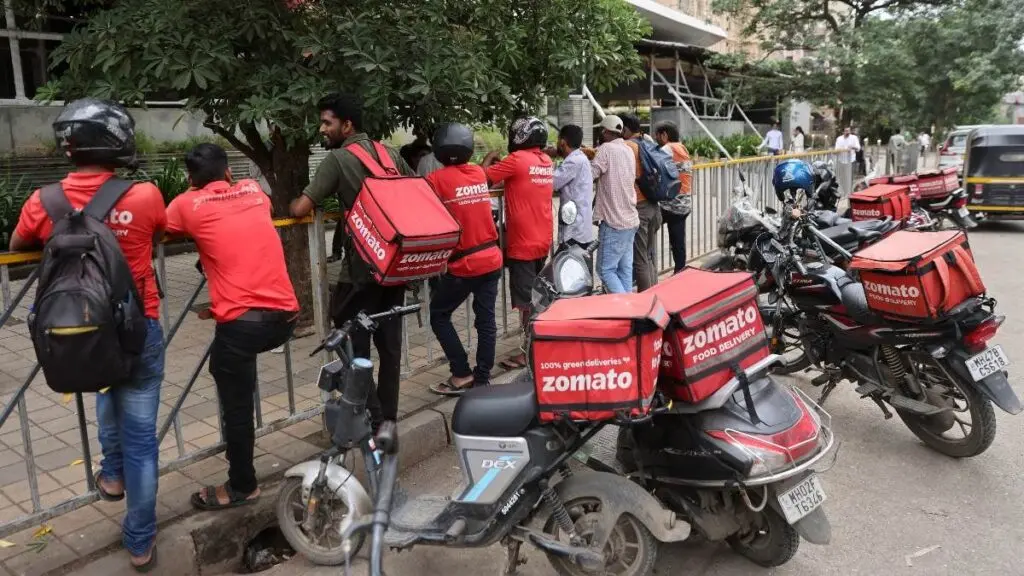
India will include a screening question on platform work in its next census, but critics say it will count only gig workers who use apps and will not identify who employs them. ThePrint reports the proposal does not cover non-platform gig workers such as masons hired at labour nakas or through WhatsApp groups, nor does it address the legal gap that leaves the employer undefined under the Code on Social Security, 2020.
Separately, the Union labour ministry has constituted the National Social Security Board for Unorganised Workers and Gig and Platform Workers, chaired by the Union labour minister. The Shillong Times notes the board includes five representatives each from aggregators and workers but lacks significant representation from central trade unions affiliated with opposition parties or from state governments led by the opposition, raising concerns about its ability to address diverse needs. India also abstained from voting on an ILO convention on platform work.
The government has invited comments on the census proposal for 15 days. Gig workers currently account for about 1.5 to 2 per cent of India’s total working population, projected to reach 2.35 crore by 2029-30.
Indian Opinion Analysis
ThePrint leads with the limits of the new census question, it will count platform workers but miss the non-platform gig workforce and, because the law defines gig work negatively, the count will tell nothing about who the employer is. The Shillong Times leads with the constitution of the National Social Security Board for Unorganised Workers and Gig and Platform Workers, framing it as a major shift, but then notes the board’s centralised structure and India’s abstention from the ILO convention. The two outlets agree on the core problem, gig workers still lack formal benefits such as health insurance and paid leave, but ThePrint foregrounds the gap in labour rights and the absent employer, while The Shillong Times foregrounds institutional steps and raises concerns about representation.
Coverage: 2 sources, 2 government-critical
Sources (2): theprint.in (government critical), theshillongtimes.com (government critical)
This brief was synthesised by AI from the 2 sources linked above, so one read covers every framing they carry. Methodology and corrections.