




Now Reading: India warns UN Human Rights Council against politicisation at UNGA
-
01
India warns UN Human Rights Council against politicisation at UNGA

India warns UN Human Rights Council against politicisation at UNGA

The Story in Brief
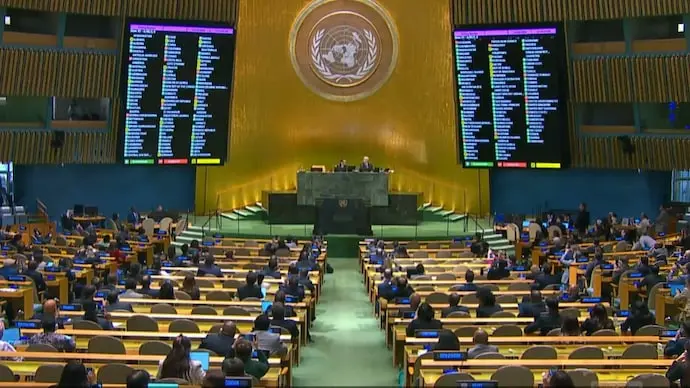
India told the UN General Assembly on 30 October that the credibility of the Human Rights Council depends on 'even-handedness', warning that country-specific mandates pursued without the engagement of the nation concerned seldom improve conditions and instead deepen divisions within the council.
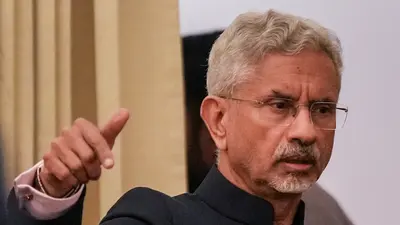
First Secretary Bhavika Mangalanandan recalled External Affairs Minister S Jaishankar's February 2026 remarks that human rights are best advanced through dialogue, capacity building and genuine partnerships, not politicisation, selectivity or double standards. She called for economic, social and cultural rights and the right to development to receive the same attention as civil and political rights, flagged terrorism as a grave threat to the right to life, and urged transparent, member-driven rationalisation of the council's work.
India returned to the Human Rights Council in 2026 for its seventh term, 2026-28.
Update, 31 October 2026: ANI now also reports the story, adding that Mangalanandan highlighted the need to prevent politicisation and weaponisation of human rights, and noted that 2026 marks 20 years since the Council was established. ANI confirms the same set of Indian priorities as Hindustan Times and Times of India: equal treatment of all rights, terrorism as a threat, and transparent rationalisation.
Indian Opinion Analysis
The three outlets converge on a straight news report of India's UNGA statement, differing only in minor structural choices. Hindustan Times and Times of India lead with the 'even-handedness' warning on country-specific mandates, while ANI leads with Jaishankar's dialogue-and-partnership quote, reflecting a wire-news emphasis on the minister's framing. All three carry the same set of Indian priorities: equal treatment for economic, social and cultural rights, terrorism as a threat to life, and transparent council rationalisation. There is no substantive division, the coverage is uniform wire-copy style reporting. India returned to the Human Rights Council in 2026 for its seventh term, covering 2026-28.
Coverage: 3 sources, 3 neutral
Sources (3): hindustantimes.com (neutral report), timesofindia.indiatimes.com (neutral report), aninews.in (neutral report)
This brief was synthesised by AI from the 3 sources linked above, so one read covers every framing they carry. Methodology and corrections.