








Now Reading: Western Europe sets new June-July temperature record at 21.62°C
-
01
Western Europe sets new June-July temperature record at 21.62°C



The European climate agency Copernicus said Western Europe’s average temperature for June and July 2026 reached 21.62°C, breaking the record set in 2022. The heat, which began in May, has fuelled wildfires,…
The Story in Brief
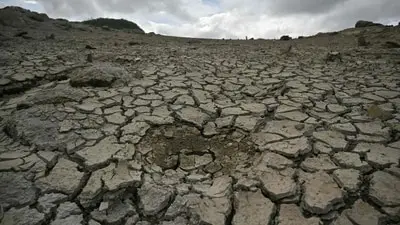
The European climate agency Copernicus said Western Europe’s average temperature for June and July 2026 reached 21.62°C, breaking the record set in 2022. The heat, which began in May, has fuelled wildfires, drought, and new national temperature records across the region, causing thousands of projected heat-related deaths. The UK and France are preparing for a fifth heat wave, with temperatures forecast to hit 40°C in southeastern France.

Globally, 2026 is the third-hottest year so far, behind 2024 and 2025, but scientists say a combination of human-caused global warming and a strong El Niño could make it the hottest year on record. July also saw the highest average sea surface temperature ever recorded for the month.
The Indian Opinion
The narrative that each new heat record is solely due to climate change ignores the role of El Niño, which amplifies natural variability. Conversely, blaming everything on a weather pattern lets human emissions off the hook. The Copernicus data shows both factors at work. The real test will be whether 2026 ends as the hottest year on record, which would settle the debate about the trajectory of global warming.
Sources (3): deccanchronicle.com, hindustantimes.com, newindianexpress.com
This story was synthesised by AI from the 3 sources linked above.
Updated: this story now draws on 3 sources.