













Now Reading: Indian tribal diets linked to distinct gut microbiomes
-
01
Indian tribal diets linked to distinct gut microbiomes


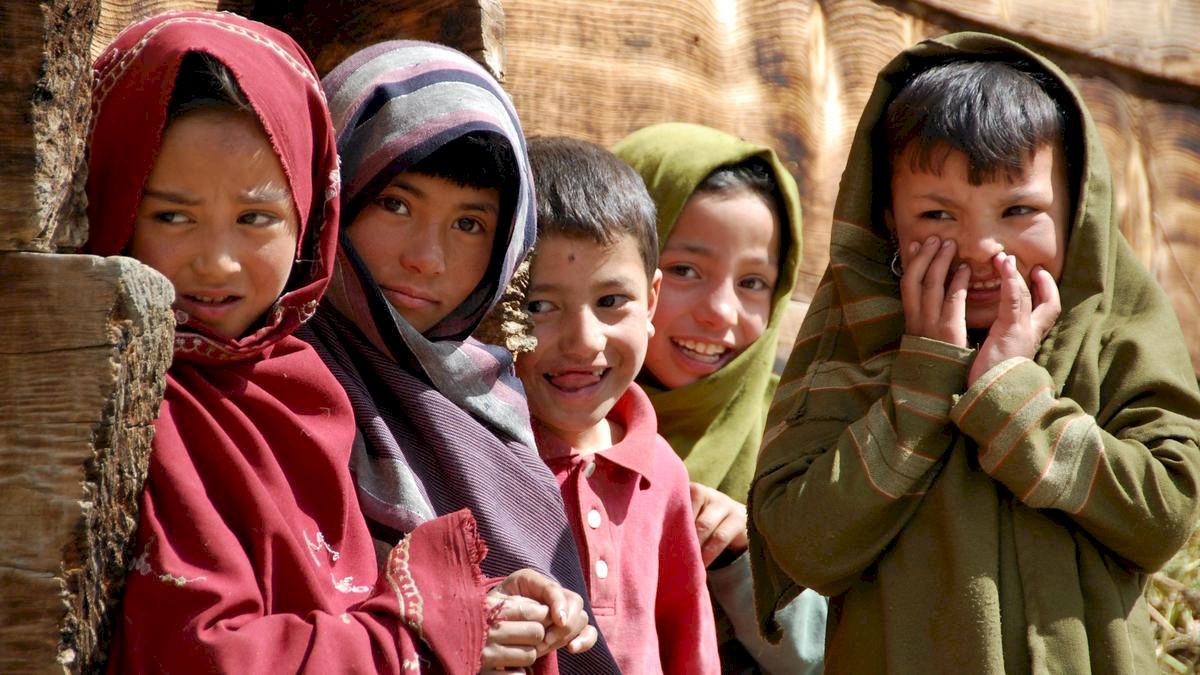
A study of 76 healthy adults from eight tribal communities across India found gut microbiomes shaped by traditional diets and distinct from samples from industrialised California. Researchers from the National Centre for…
The Story in Brief
A study of 76 healthy adults from eight tribal communities across India found gut microbiomes shaped by traditional diets and distinct from samples from industrialised California. Researchers from the National Centre for Cell Science and partner institutions identified 14 potentially novel bacterial taxa, despite the small sample. Trans-Himalayan communities, whose diets included grains and dairy, showed greater microbial diversity and a distinct strain of Bifidobacterium adolescentis, along with pathways linked to lactose and galactose metabolism. Other communities consumed combinations of fish, fruits, greens, stems and home-brewed alcoholic drinks. The findings offer a baseline for India’s tribal populations, which account for less than 1% of global human microbiome samples.
The Indian Opinion
The lazy narrative is that Bifidobacterium is a universal badge of good health, or that one probiotic can work equally well for everyone. The researchers make no such claim. Microbes reflect long-term diets, and different foods may support different organisms with similar benefits. The study is also too small to settle treatment questions, with just 76 participants. Any future probiotic claim should first be tested against the person’s diet and gut composition, not just a label on a bottle.
Source: thehindu.com
This story was synthesised by AI from the source linked above.