















Now Reading: India’s drones lack protection against hostile electronic warfare
-
01
India’s drones lack protection against hostile electronic warfare


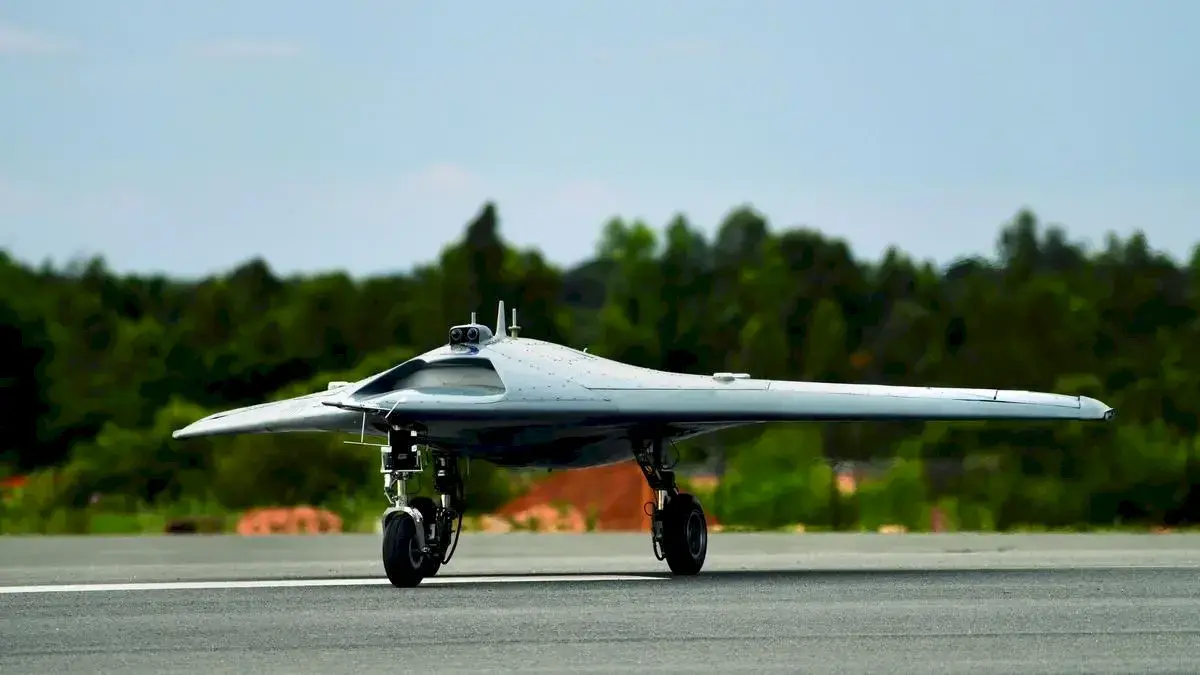
India has built substantial electronic warfare capabilities, but its own drones remain vulnerable to jamming and signal disruption, Frontline reports. DRDO’s Samyukta ground system covers a 100-km-by-70-km area, while naval and counter-drone…
The Story in Brief
India has built substantial electronic warfare capabilities, but its own drones remain vulnerable to jamming and signal disruption, Frontline reports. DRDO’s Samyukta ground system covers a 100-km-by-70-km area, while naval and counter-drone programmes add interception, jamming and spoofing capabilities. Private firms have also developed handheld and AI-enabled counter-drone systems.
The gap lies in India’s UAVs, which lack hardened data links and autonomy for contested electromagnetic environments. Project Pragyashakti, dedicated Electronic Warfare Brigades and upgrades worth Rs.5,150 crore for Dharashakti aim to unify and expand capabilities. The proposed Rs.500 crore National Military Drone Technology Hub at IIT Kanpur will focus on encrypted, frequency-hopping and jam-resistant links.
The Indian Opinion
The easy narrative is that India has either solved electronic warfare or remains helpless against drones. Neither is supported here. India can disrupt hostile systems, but that advantage may also expose weaknesses in its own fleet. Announcing projects and buying jammers will not settle the issue. The practical test is whether every new military UAV carries a proven, encrypted and frequency-hopping link that keeps working under sustained jamming.
Source: frontline.thehindu.com
This story was synthesised by AI from the source linked above.