















Now Reading: India’s per-kg space launch cost highest: study
-
01
India’s per-kg space launch cost highest: study


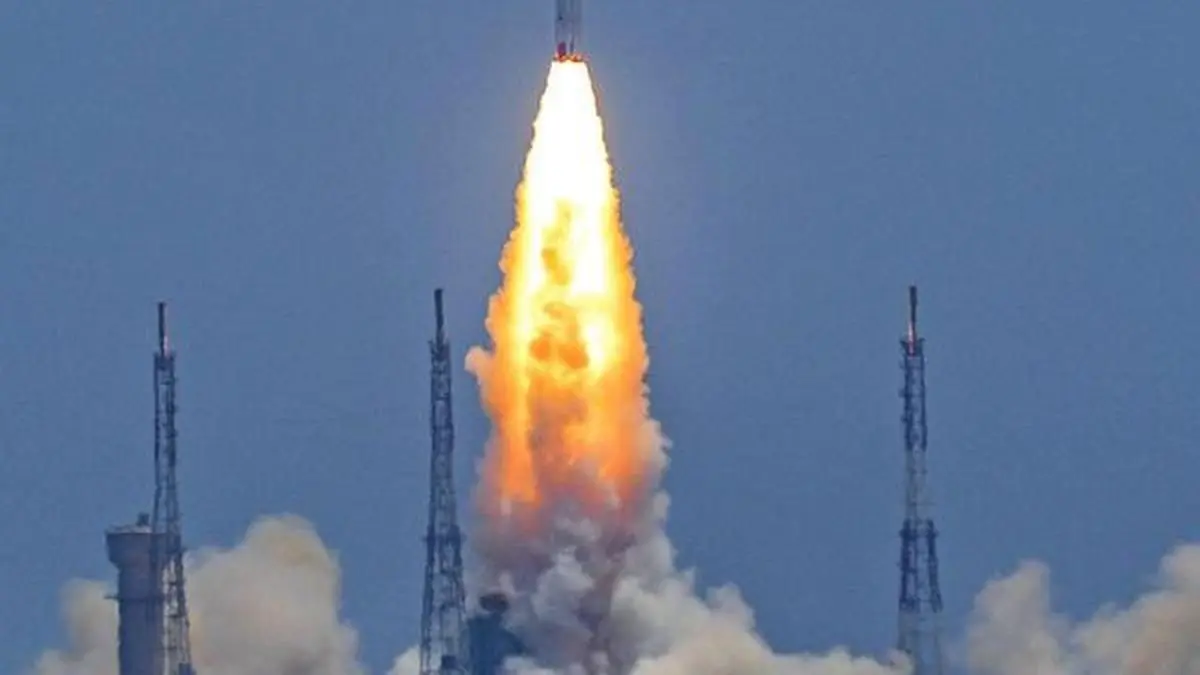
India spends more per kilogram of payload to orbit than any other major spacefaring nation, a new study in Economics Letters has found. The Hindu reports that the analysis estimated India's cost…
The Story in Brief
India spends more per kilogram of payload to orbit than any other major spacefaring nation, a new study in Economics Letters has found. The Hindu reports that the analysis estimated India's cost at $13,302 per kg in 2025, against a global average of $3,868. The U.S. spends $3,225, China $5,809, and Europe $9,897.
The authors attribute the high cost to ISRO's small rockets and low launch frequency, which prevent costs from falling through a learning curve. Despite opening the space sector to private firms in 2020 and seeing 400 startups, India managed fewer than half of the 30 launches projected for 2024-25. This gap has driven Indian operators like NewSpace India and startups Pixxel to use SpaceX's Falcon 9, raising concerns about geopolitical dependence.
The Indian Opinion
India's reputation for frugal space engineering takes a hit from this study, but the high cost is not about inefficiency. It is a consequence of small rockets and insufficient launch frequency. The success of private players like Skyroot Aerospace offers hope, but the gap in launch numbers is stark. The real test is whether India can scale up its launch cadence to bring costs down and reduce reliance on SpaceX, whose dominance raises uncomfortable geopolitical questions. Will ISRO and IN-SPACe meet ambitious launch targets this year?
Source: thehindu.com
This story was synthesised by AI from the source linked above.