











Now Reading: Intellectual vacuum stalls Indian military transformation, The Hindu argues
-
01
Intellectual vacuum stalls Indian military transformation, The Hindu argues

Intellectual vacuum stalls Indian military transformation, The Hindu argues

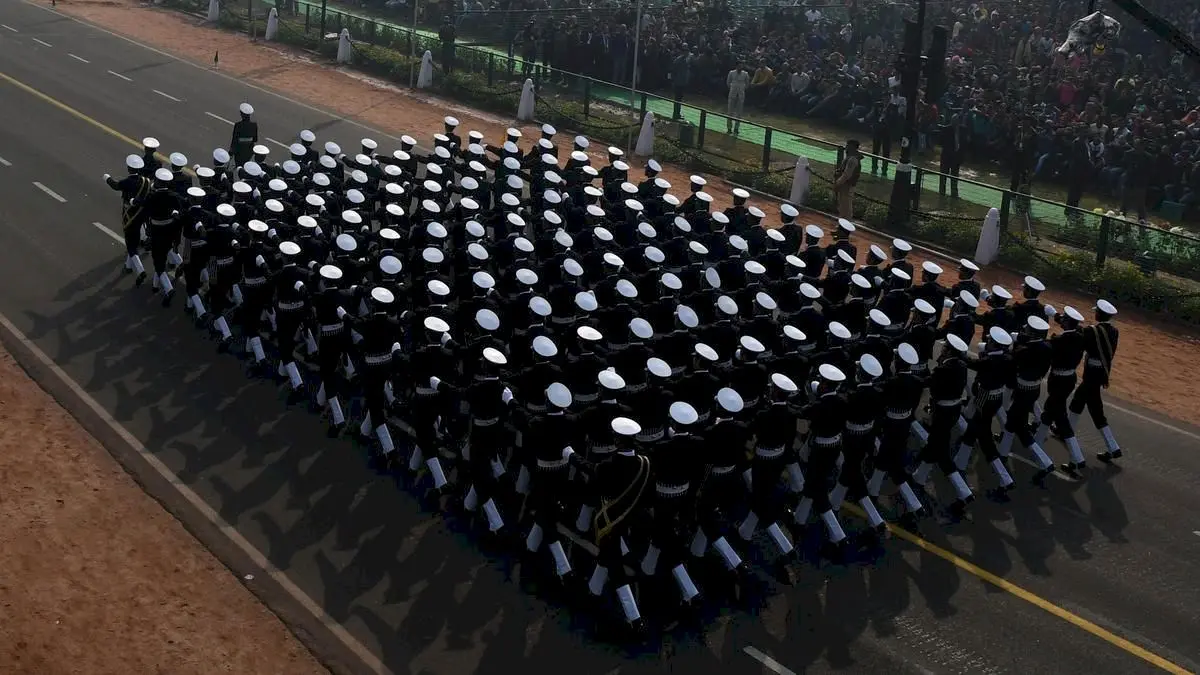
Prime Minister Narendra Modi was disappointed with the vision presented by tri-service commanders at his first Combined Commanders Conference in 2014, according to The Hindu. He directed them to fast-track reform, improve…
The Story in Brief
Prime Minister Narendra Modi was disappointed with the vision presented by tri-service commanders at his first Combined Commanders Conference in 2014, according to The Hindu. He directed them to fast-track reform, improve synergy, and cut flab. However, the newspaper argues that transformation has been hindered by three obstacles: a lop-sided reform that places the burden only on the armed forces, lack of consensus among the three services, and a snail's pace in intellectual upgrade by senior military leaders.
The Hindu identifies three reasons for an intellectual vacuum among top military leadership over the last two decades: an 'upward mobility trap' that penalises dissent, a whole-of-government knowledge deficit due to lack of reading and writing during senior assignments, and a need for the Higher Defence Organisation and political establishment to foster a more enabling intellectual environment. The piece notes that past flag-bearers like General K. Sundarji and Air Commodore Jasjit Singh engaged meaningfully on strategy, but such intellectual depth is now rare.
The Indian Opinion
The narrative that the political leadership alone is responsible for stalled military reform ignores the deeper anti-intellectual culture within the forces. While PM Modi pushed for change, the system penalises dissenting ideas and discourages officers from writing or speaking truth to power. The real test is not another committee but whether senior commanders publish original strategic papers or whether a colonel's disruptive proposal reaches the national security advisor. Until that happens, transformation will remain a slogan.
Source: thehindu.com
This story was synthesised by AI from the source linked above.