

















Now Reading: ITO traffic wait times can exceed 10 minutes, commuters fume
-
01
ITO traffic wait times can exceed 10 minutes, commuters fume



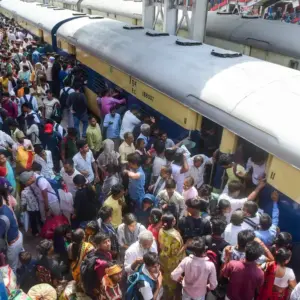
Commuters at Delhi's ITO intersection are facing wait times that can stretch beyond 10 minutes during peak hours, with the junction handling an estimated 4 lakh to 4.5 lakh vehicles daily. Some…
Commuters at Delhi's ITO intersection are facing wait times that can stretch beyond 10 minutes during peak hours, with the junction handling an estimated 4 lakh to 4.5 lakh vehicles daily. Some studies put peak congestion at 6 lakh to 7 lakh vehicles. The intersection, a key node linking central, east and northeast Delhi with Noida and Ghaziabad, is fed by seven major roads including IP Marg, Laxmi Nagar and Mathura Road.
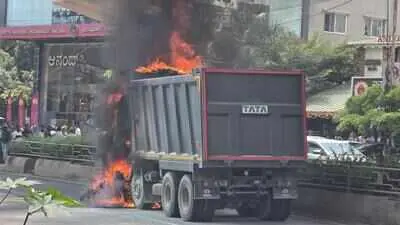
Traffic police said the problem is not just volume but the number of major competing movements. In the evening, nearly 12 lanes converge from the W Point side but only about two and a half lanes can be cleared per cycle. Prioritising one heavily loaded arm quickly creates a queue on another, setting off a chain reaction. Breakdowns, VIP movements and ambulances add to the burden.
As an immediate measure, officials have sought faster completion of alternative routes, specifically the road connecting the WHO building to Hans Bhawan, which could reduce the load by 10% to 20%. However, experts say manual signal management and longer green times are no longer sustainable at an intersection operating close to saturation.
Indian Opinion Analysis
The ITO junction has been a known bottleneck for over two decades, with traffic volumes nearly doubling since 2001 when it handled about 3 lakh PCUs (passenger car units), according to expert estimates. The intersection's geometry, with seven major approaches, means it exceeds the capacity of a standard four-arm signalised junction under Indian Road Congress guidelines. The Delhi Traffic Police and MCD have previously attempted measures such as banning right turns and introducing time-based restrictions, but those have had limited impact. The key fix officials are pushing for is the completion of the WHO-Hans Bhawan link road, a project that has been pending for years due to land acquisition and coordination issues between agencies. The real test will be whether the civic bodies can deliver that road before congestion forces more drastic measures like permanent diversions or toll-based entry restrictions.
Source: timesofindia.indiatimes.com
This brief was synthesised by AI from the source linked above.