





















Now Reading: Nehru’s Kashmir decisions examined in historical analysis
-
01
Nehru’s Kashmir decisions examined in historical analysis


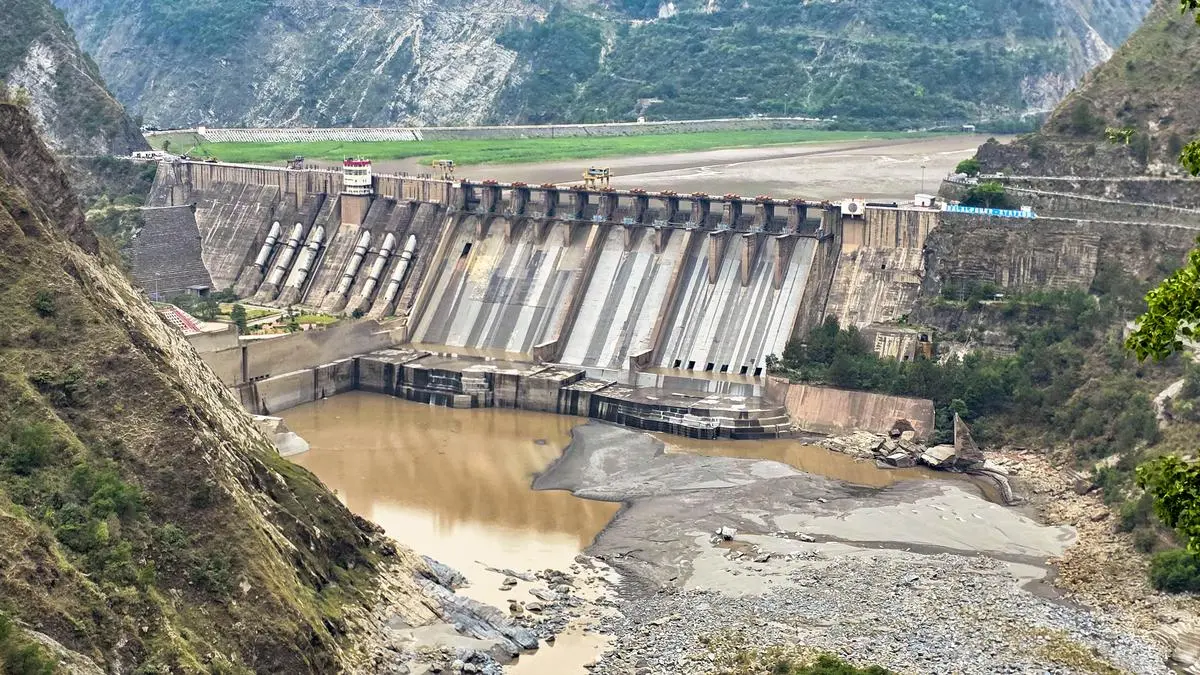
Frontline reports on a historical analysis of Jawaharlal Nehru's role in Kashmir after 1947. The article notes that after Independence, the Indian government aimed to integrate princely states. While Junagadh's Muslim ruler's decision to join Pakistan was reversed by a plebiscite, Kashmir's Hindu Maharaja signed the Instrument of Accession after a tribal invasion backed by Pakistan on October 22, 1947. The Indian Army entered Kashmir, but the conflict left the region divided.
The analysis, citing journalist Kuldip Nayyar's autobiography, claims Home Minister Sardar Patel wanted the Junagadh logic applied to Kashmir but feared Nehru's ancestral ties would interfere. Nayyar is critical of Nehru for preventing the Army from winning back all of Kashmir. The article adds that Nehru strongly opposed a referendum on Kashmir in the Constituent Assembly in 1949, and later approached the UN, a decision critics say permanently internationalised the dispute.
The analysis suggests Nehru may not have understood Kashmir's geopolitical significance, noting the loss of a land connection to Afghanistan and the creation of a long border with China, which later built a trade road through Pakistan-occupied Kashmir. The piece concludes that subsequent events have proved Nehru both wrong and right.
Source: frontline.thehindu.com
This story was synthesised by AI from the source linked above. Methodology and corrections.