


















Now Reading: J&K restores cloudburst-hit infra, no special relief package
-
01
J&K restores cloudburst-hit infra, no special relief package


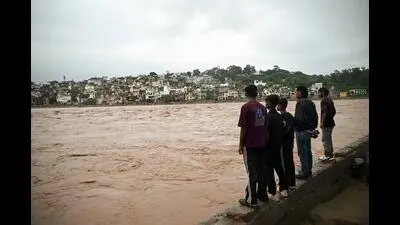
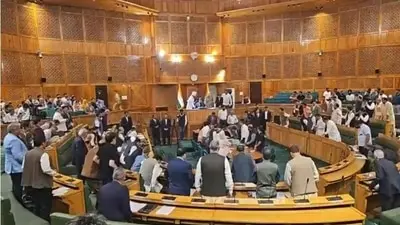
Jammu and Kashmir deputy chief minister Surinder Choudhary on Friday told the assembly that restoration of infrastructure damaged by flash floods and cloudbursts in 2025-26 and 2026-27 is underway across the union…
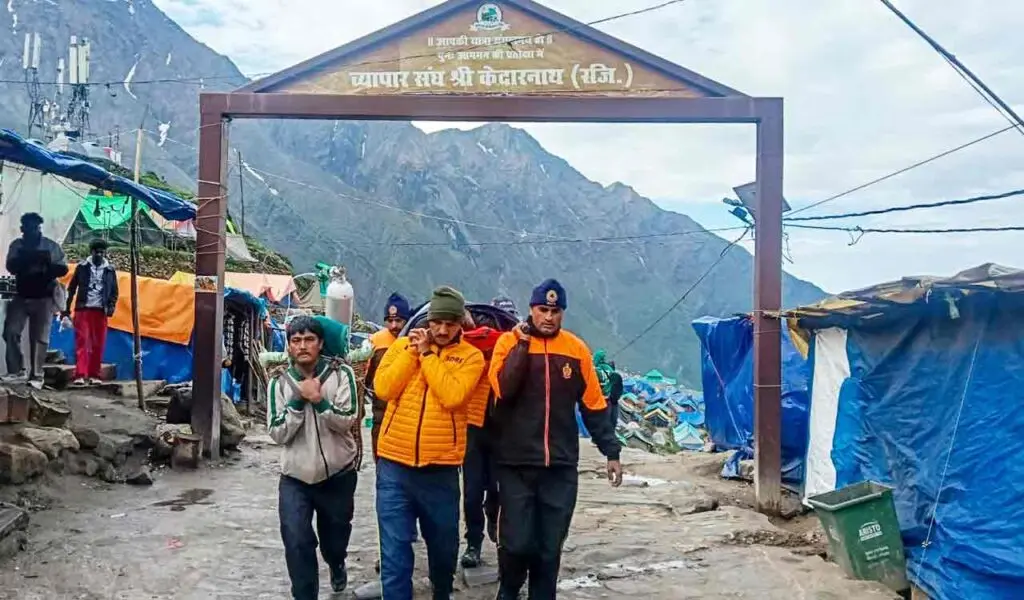
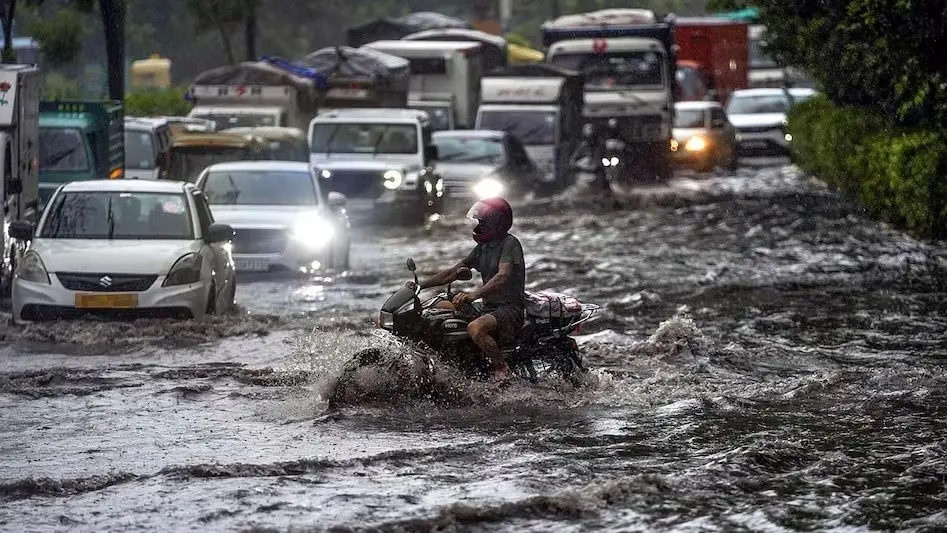
Jammu and Kashmir deputy chief minister Surinder Choudhary on Friday told the assembly that restoration of infrastructure damaged by flash floods and cloudbursts in 2025-26 and 2026-27 is underway across the union territory. Replying to a question by MLA Shakti Raj Parihar, he said roads and water supply schemes have been temporarily restored for 2025-26 damages, with permanent restoration in progress. For 2026-27 damages, partial restoration has been done and permanent works have been taken up in all affected districts.
Choudhary said financial assistance is being provided as per SDRF norms and no separate special relief package has been sanctioned for rehabilitation. However, additional aid has been given under the CM's relief fund to families with damaged houses. In Kishtwar's Chishoti cloudburst incident in 2025-26, Rs 1 lakh each was given to 16 families and Rs 25,000 each to three families with partially damaged houses. For 2026-27, Rs 108 lakh has been released in Poonch for 87 beneficiaries and Rs 281 lakh in Rajouri for 377 beneficiaries.
Health minister Sakeena Itoo informed the House that 75% physical progress has been achieved on the 50-bed hospital block at Pahalgam, with administrative approval of Rs 19.90 crore accorded in March 2020. She also said 14 developmental works worth Rs 24.62 crore are under execution in Baramulla town. The government is monitoring manpower in healthcare institutions and addressing vacancies through recruitment, she added.
Indian Opinion Analysis
The J&K government's reliance on SDRF norms and the CM's relief fund, rather than a special package, reflects the standard disaster response framework that caps ex-gratia at fixed amounts per household. Under the SDRF formula, full damage assessment must be completed by district authorities before permanent restoration can begin, which explains the phasing of works into temporary and permanent stages. The 50-bed Pahalgam hospital, approved in 2020, has faced cost overruns due to post-Covid equipment price escalation and topographical challenges requiring an additional basement. The health department's decision against upgrading PHCs to sub-district hospitals, citing excess capacity under IPHS-2022 norms, signals a shift toward consolidating existing facilities rather than expanding. The agriculture interventions in Lolab, where 53% of land is unirrigated, will depend on the convergence of irrigation and water harvesting schemes to raise productivity in the constituency.
The health department's decision against upgrading PHCs to sub-district hospitals, citing excess capacity under IPHS-2022 norms, signals a shift toward consolidating existing facilities rather than expanding.
Source: hindustantimes.com
This brief was synthesised by AI from the source linked above.