








Now Reading: Kashmir’s cricket bat industry faces willow shortage and smuggling
-
01
Kashmir’s cricket bat industry faces willow shortage and smuggling

Kashmir’s cricket bat industry faces willow shortage and smuggling


Kashmir’s bat-making industry has grown to 195 registered manufacturers, around 150 cleft dealers and an estimated 50,000 livelihoods, but now faces shortages of raw material, climate pressures and smuggling, The Hindu reports.…
The Story in Brief
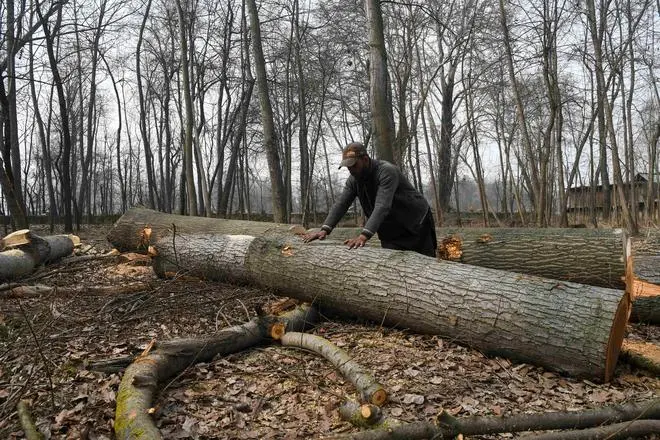
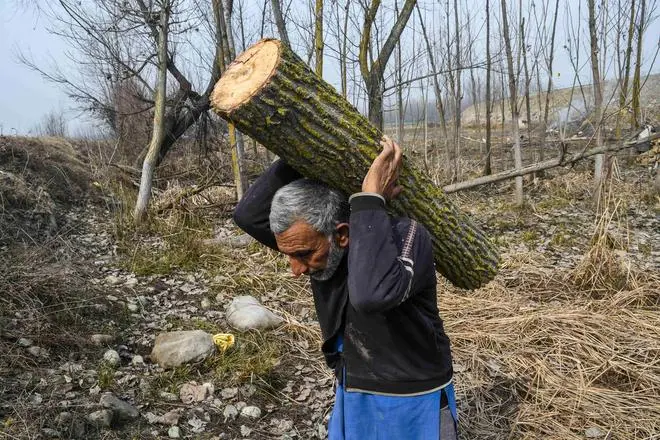
Kashmir’s bat-making industry has grown to 195 registered manufacturers, around 150 cleft dealers and an estimated 50,000 livelihoods, but now faces shortages of raw material, climate pressures and smuggling, The Hindu reports. The region produces about 30 lakh bats a year, double the output of a decade ago, using willow trees harvested after 12 to 15 years.
Kashmir willow gained international recognition after an ICC-certified company secured an Oman Cricket Board contract in 2021. UAE player Junaid Siddique used one to hit a 109-metre six during the 2022 World Cup. Manufacturers say 47 international players have used the bats, including players in the 2024 Women’s T20 World Cup.
The Indian Opinion
The easy story is that Kashmir willow has already conquered global cricket, or that raw material alone explains every problem. Neither is complete. Makers had to improve bat design and meet international tests, while a tree takes 12 to 15 years to mature. The real test is whether legal planting and sourcing can keep pace with annual production of 30 lakh bats without weakening quality or exhausting the supply base.
Source: thehindu.com
This story was synthesised by AI from the source linked above.