













Now Reading: Light pollution disrupts human health and wildlife, scientists warn
-
01
Light pollution disrupts human health and wildlife, scientists warn

Light pollution disrupts human health and wildlife, scientists warn


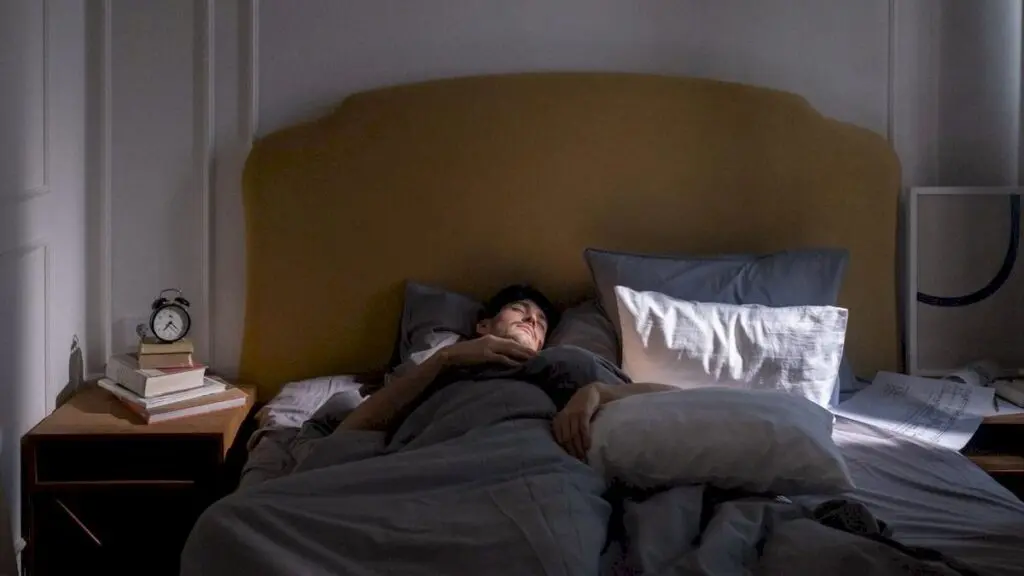
Artificial light at night, or light pollution, is increasingly seen as an environmental threat that disrupts human circadian rhythms and wildlife behaviour. Business Today reports that excessive or poorly directed artificial light…
The Story in Brief
Artificial light at night, or light pollution, is increasingly seen as an environmental threat that disrupts human circadian rhythms and wildlife behaviour. Business Today reports that excessive or poorly directed artificial light suppresses melatonin production, linked to sleep and health, and alters animal navigation, feeding, and reproduction. A 2026 meta-analysis of 36 studies covering 30 bird species confirmed consistent effects on avian physiology, though outcomes vary. Blue-rich white LEDs pose particular risk.
The problem grows with urbanisation. Plants also respond to altered light exposure, potentially changing growth and flowering. Scientists stress that artificial light affects entire ecosystems, not just individual species. The goal is not to eliminate lighting but to use correct amounts, placement, and timing.
The Indian Opinion
Much is said about light pollution as a new-age environmental problem, but the solutions rarely match the urgency. While urbanisation is cited as the cause, the real test is whether our cities can adopt smarter lighting without compromising safety. Choosing warmer LEDs, shielding lights to reduce glare, and dimming during off-peak hours are straightforward fixes. The question is: will municipal corporations treat it as a public health priority, or will it remain a buzzword in sustainability reports until the next crisis? Watch for the number of cities that actually revise their street-lighting norms in the next year.
Source: businesstoday.in
This story was synthesised by AI from the source linked above.