















Now Reading: Review finds 427 cases of primates bonding with other animals
-
01
Review finds 427 cases of primates bonding with other animals



A systematic review has identified 427 documented cases of primates engaging socially with animals outside their own families, involving 88 primate species and 127 non-primate species. The findings, reported by The Times…
The Story in Brief
A systematic review has identified 427 documented cases of primates engaging socially with animals outside their own families, involving 88 primate species and 127 non-primate species. The findings, reported by The Times of India from a Springer study, cover wild and captive settings, with 311 cases recorded in the wild and 111 in captivity.
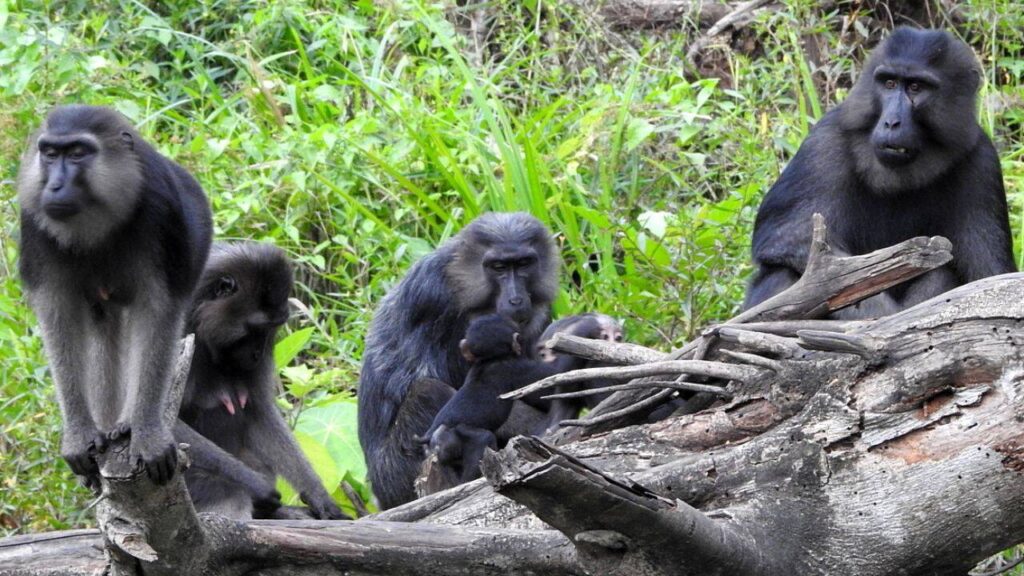
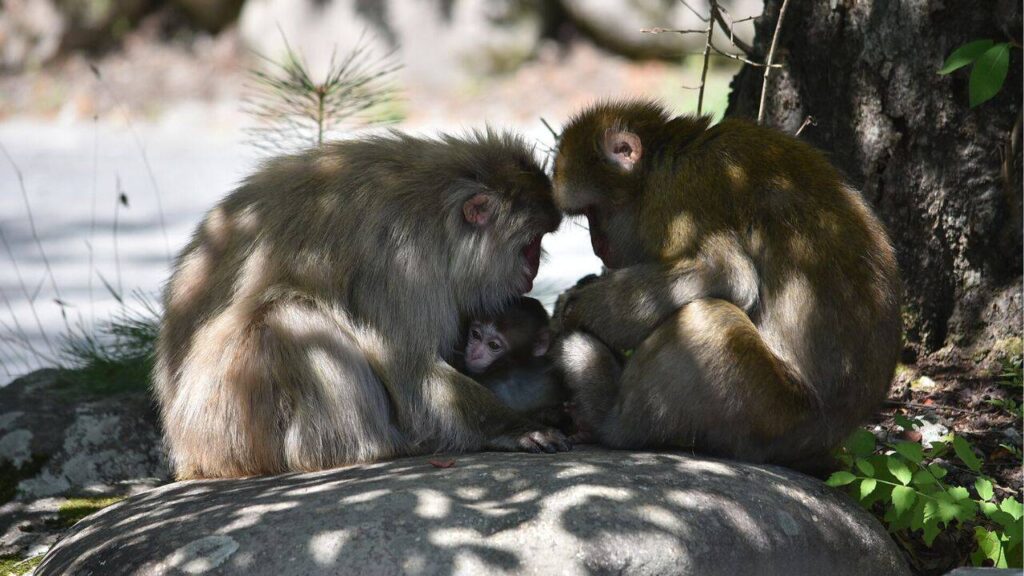
Play and grooming were the most common behaviours, accounting for 139 and 136 cases respectively. Young primates played more often, while adult females showed more grooming and caregiving. Examples include Japanese macaques grooming and riding sika deer, gorillas cradling bushbabies and a capuchin caring for a marmoset. The review cautions that some encounters involved violence, abduction or neglect, rather than mutual care.
The Indian Opinion
Calling every cross-species encounter a friendship would make a neat story, but the evidence is less sentimental. Grooming can serve a practical purpose, and curiosity can also end in injury when a primate takes a young animal it cannot care for. Claims that pet-keeping is uniquely human now look less certain, but 427 recorded cases cannot explain the full origins of domestication. Future field studies must show how long these bonds last and whether both animals benefit.
Source: timesofindia.indiatimes.com
This story was synthesised by AI from the source linked above.