









Now Reading: Brain’s biological clock uses light to track day
-
01
Brain’s biological clock uses light to track day


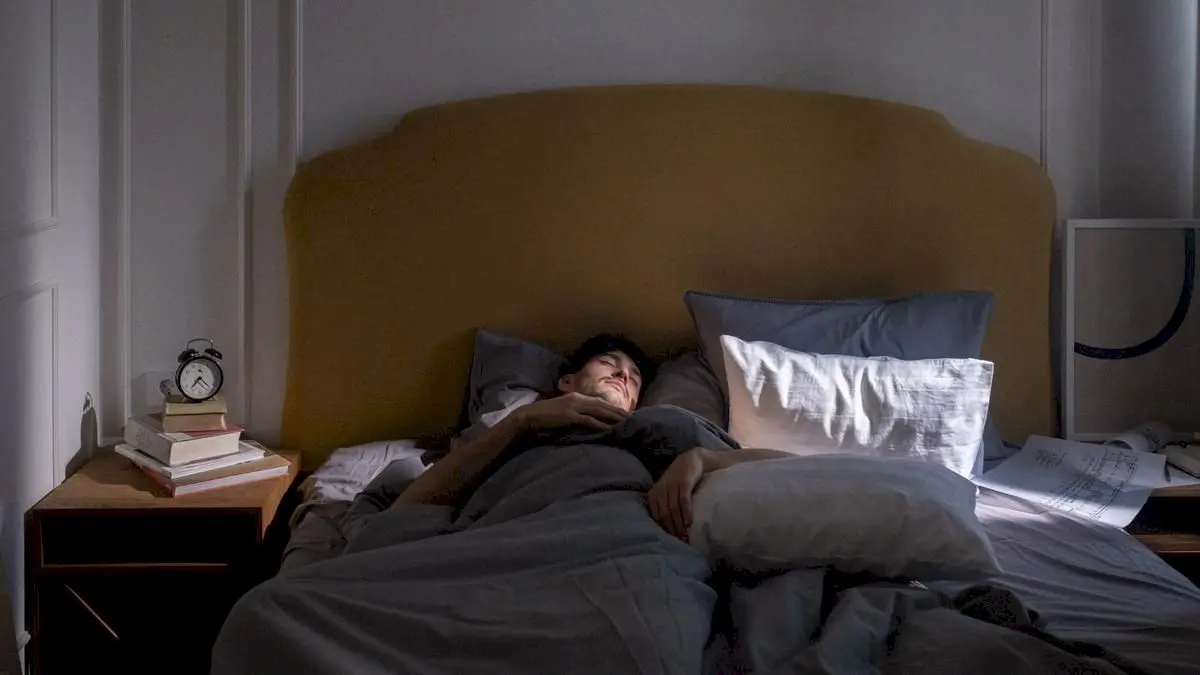
The Hindu examines the neural mechanisms behind the human body's 24-hour circadian rhythm. The article explains how the suprachiasmatic nucleus in the brain responds to light cues to synchronise sleep and wakefulness.…
The Story in Brief
The Hindu examines the neural mechanisms behind the human body's 24-hour circadian rhythm. The article explains how the suprachiasmatic nucleus in the brain responds to light cues to synchronise sleep and wakefulness. This internal clock influences hormone release and metabolism.
Researchers have identified specific genes and proteins that regulate this cycle. Disruptions to the clock, such as from shift work, can affect health. The story highlights the role of melanopsin-containing cells in the retina that send signals to the brain's timekeeper.
The Indian Opinion
Some coverage of circadian rhythm research overhypes quick fixes like blue-light glasses or melatonin supplements. The Hindu's piece keeps the focus on the underlying neural circuit, which remains only partly mapped. A concrete test to watch for is whether future studies can identify the exact molecular feedback loops that sustain 24-hour cycles without any external light cues.
Source: thehindu.com
This story was synthesised by AI from the source linked above.