











Now Reading: Maharashtra FDA plans end-to-end digital traceability of milk to curb adulteration
-
01
Maharashtra FDA plans end-to-end digital traceability of milk to curb adulteration

Maharashtra FDA plans end-to-end digital traceability of milk to curb adulteration


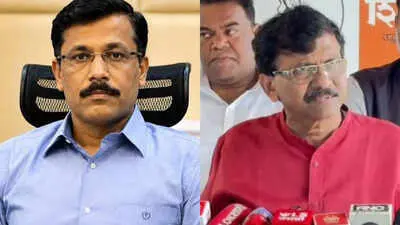
Maharashtra's Food and Drug Administration (FDA) has announced a massive digitisation initiative to achieve end-to-end traceability of milk, aiming to curb recurring adulteration. Commissioner Tukaram Mundhe told The Hindu the project will…
The Story in Brief
Maharashtra's Food and Drug Administration (FDA) has announced a massive digitisation initiative to achieve end-to-end traceability of milk, aiming to curb recurring adulteration. Commissioner Tukaram Mundhe told The Hindu the project will create a portal where milk collection centres upload real-time data, which the FDA will cross-check with the National Digital Livestock Mission (NDLM) database of milch animals and their average output. This back-end matching, Mundhe said, will help identify adulteration. The project is nascent, with a report due in months, and will take time to develop and test.
The FDA has intensified enforcement, banning analogue paneer for a year and junk food near schools, and conducting widespread raids. Mundhe explained that adulteration often starts when milk is not chilled within two hours, leading to acidity neutralisation, water addition, and fat-faking. He urged dairies to collect milk twice daily and establish more chilling centres. Some establishments have challenged the FDA's actions in court, calling them harsh and legally questionable.
The Indian Opinion
The FDA's plan to trace milk to individual animals sounds promising, but the real test is execution. Farmers often sell milk informally, and the NDLM database depends on voluntary updates. The agency must ensure the portal is simple enough for small dairies to use, or it risks catching only the organised sector. Also, creating chilling centres in every village is a massive infrastructure task. The question is not whether the goal is noble, but whether the state will fund it adequately and enforce collection rules without crushing small farmers.
Source: thehindu.com
This story was synthesised by AI from the source linked above.