












Now Reading: Maharashtra resident doctors call off strike after HC order
-
01
Maharashtra resident doctors call off strike after HC order


Resident doctors in Maharashtra withdrew their indefinite strike on Thursday after the Bombay High Court ordered them back to work, warning of wage cuts if they did not comply. The protest, which…
The Story in Brief
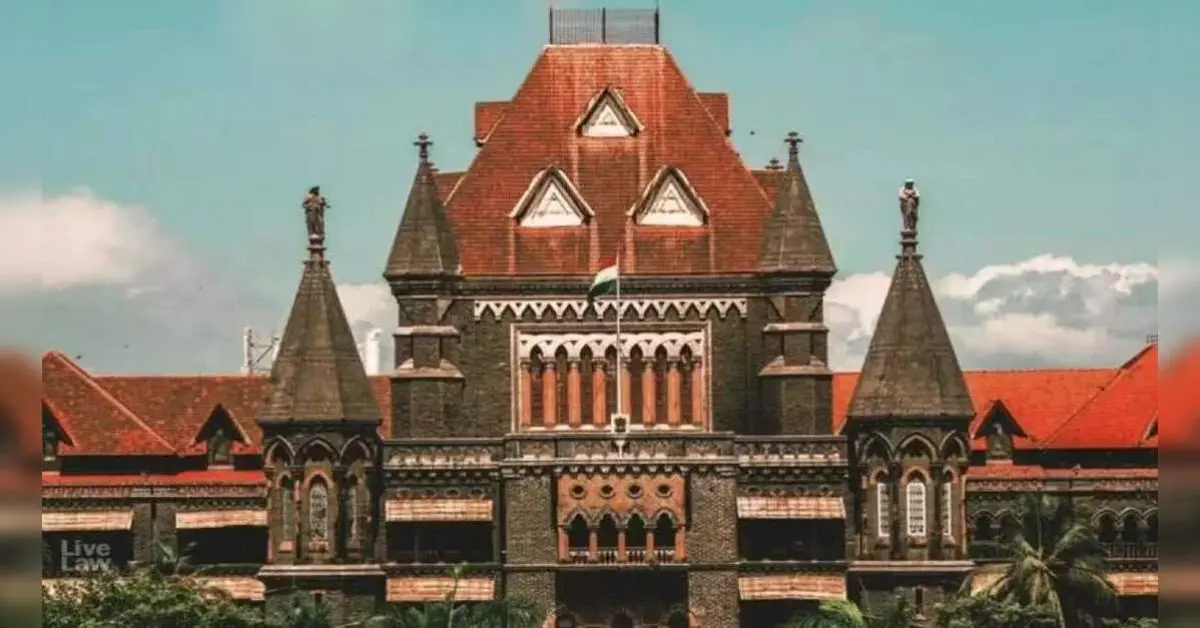
Resident doctors in Maharashtra withdrew their indefinite strike on Thursday after the Bombay High Court ordered them back to work, warning of wage cuts if they did not comply. The protest, which began on August 5, opposed a June 30 Maharashtra Medical Council notification allowing homoeopaths to prescribe modern medicines after a six-month Certificate Course in Modern Pharmacology.

The court took suo motu cognisance of the strike, expressing concern for patient lives. The Maharashtra Association of Resident Doctors (MARD) said it was withdrawing the strike solely due to the court directive, and that its demands remain unresolved. MARD plans to meet Chief Minister Devendra Fadnavis and will announce its next steps after that discussion.
The Indian Opinion
Both sides have valid points, but the narrative that this is a battle between 'modern' and 'traditional' medicine misses the core issue: regulatory oversight. The court rightly prioritised patient safety over protest, yet striking doctors have genuine concerns about governance gaps in the BHMS-CCMP framework. The government must now prove it can regulate cross-system prescribing without compromising standards. The key test is whether the September 8 hearing produces a clear, enforceable legal pathway or merely postpones the fight.
Sources (2): health.economictimes.indiatimes.com, timesnownews.com
This story was synthesised by AI from the 2 sources linked above.
Updated: this story now draws on 2 sources.