



















Now Reading: Make India’s food system climate-proof without delay
-
01
Make India’s food system climate-proof without delay


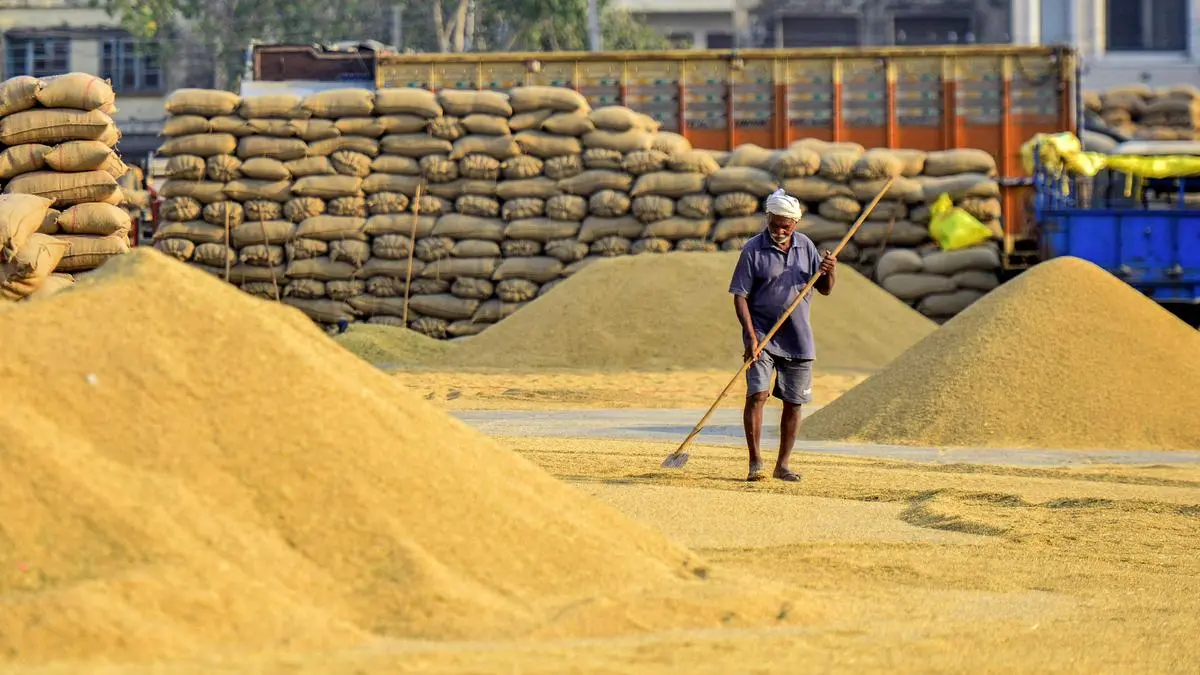
India must urgently make its food system climate-resilient as rising temperatures, erratic rainfall, and extreme weather threaten food production and supply for 1.4 billion people, according to an analysis. While India has transformed from a food-aid dependent nation to a major producer with buffer stocks and legal food entitlements for 800 million people under the National Food Security Act, climate change now poses risks across the entire value chain from yields to storage and transport.
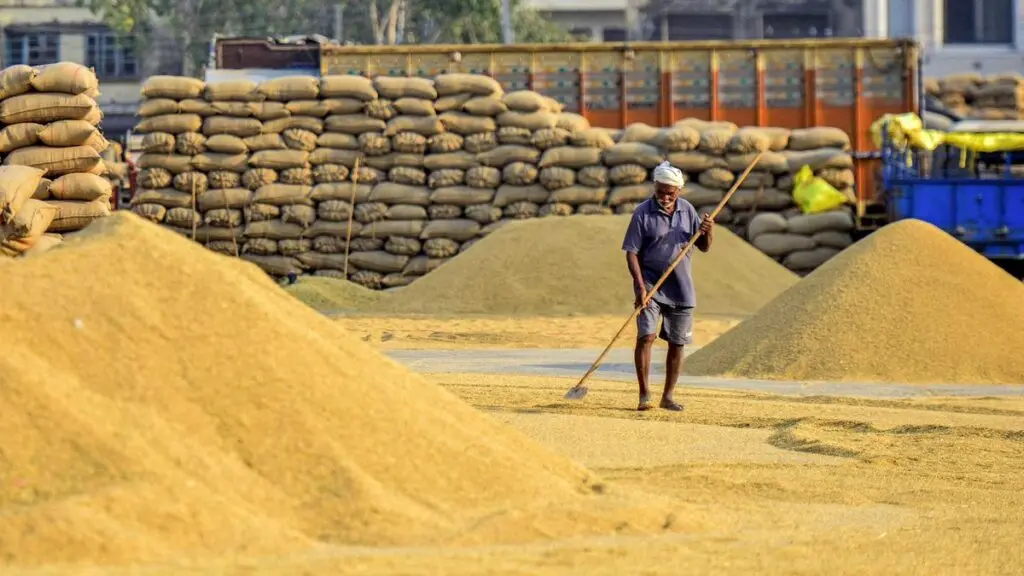
The rice-wheat system that served India well faces groundwater stress and concentration in a few regions. The analysis suggests diversifying procurement across crops and regions, including millets, pulses and oilseeds, to reduce risk and improve nutrition. It also recommends linking weather forecasts with procurement decisions, expanding cold chains, and building climate-resilient storage infrastructure.
Financing the transition requires green bonds, adaptation finance and insurance, with food systems integrated into India's net-zero pathway. The analysis proposes creating a 'climate buffer' combining diversified crops, resilient infrastructure, climate information and insurance, building on the principle of India's traditional buffer stock.
Indian Opinion Analysis
India's food procurement is overwhelmingly focused on rice and wheat from Punjab, Haryana and western Uttar Pradesh, regions where groundwater is over-extracted. The Central Ground Water Board has classified more than 80% of blocks in Punjab as over-exploited. Diversifying procurement towards millets and pulses would also align with the government's own millet promotion push and the National Mission on Sustainable Agriculture. The key test is whether the Food Corporation of India can operationalise a multi-crop procurement system given its current infrastructure is designed primarily for paddy and wheat. The Union Budget 2025-26 allocation for food subsidy is Rs 2.05 lakh crore, and any diversification will require changes to the cost structure without raising the fiscal burden.
Source: thehindu.com
This brief was synthesised by AI from the source linked above. Methodology and corrections.