




















Now Reading: Manik Varadkar’s journey from Partition survivor to Maharashtra activist
-
01
Manik Varadkar’s journey from Partition survivor to Maharashtra activist


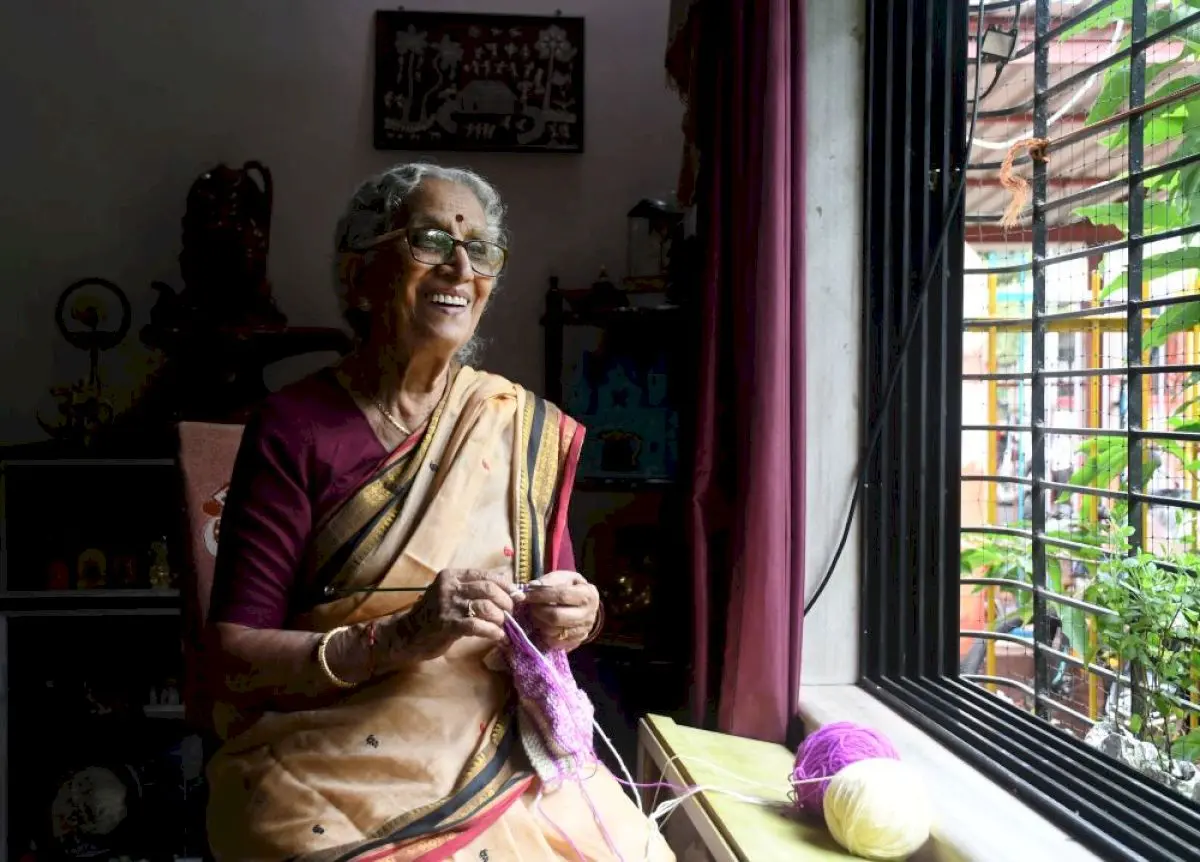
Manik Varadkar, 94, survived the 1935 Quetta earthquake, Partition violence and imprisonment during the Samyukta Maharashtra agitation. Born Manik Khanolkar in 1931 to a prosperous Konkani Maharashtrian family in Quetta, she lost…
The Story in Brief
Manik Varadkar, 94, survived the 1935 Quetta earthquake, Partition violence and imprisonment during the Samyukta Maharashtra agitation. Born Manik Khanolkar in 1931 to a prosperous Konkani Maharashtrian family in Quetta, she lost 13 relatives when the 7.7-magnitude earthquake struck on 31 May 1935. She survived because she was sleeping on a terrace.
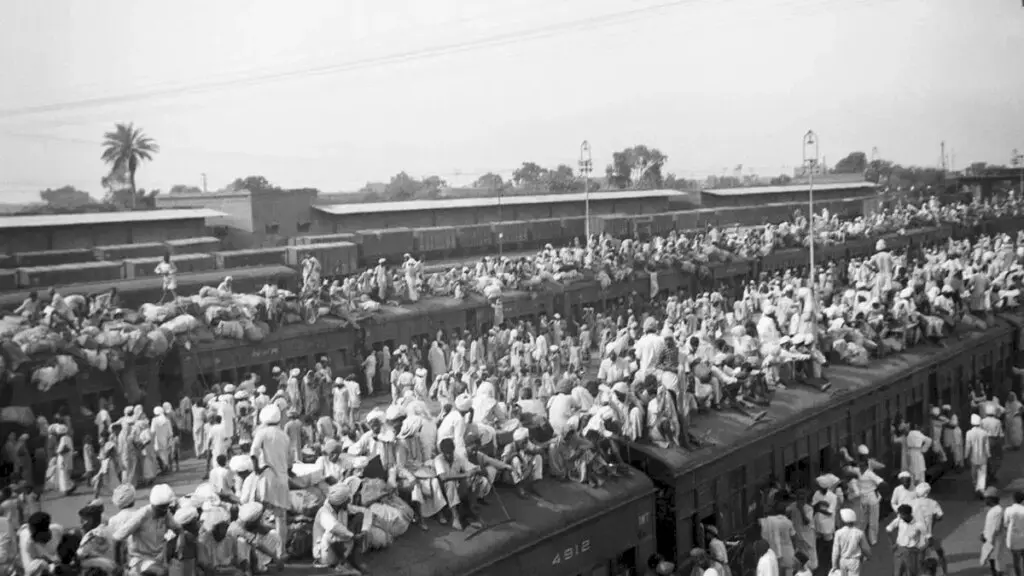
In 1947, rising communal hostility forced Hindu families to leave Quetta. Varadkar travelled by refugee train and later joined the movement for a separate Marathi-speaking state, for which she was jailed between 1956 and 1960. She now lives in Borivali, Mumbai, and describes her life as a series of hardships met with fortitude.
The Indian Opinion
Partition stories are often reduced to either heroic national myths or accounts of permanent communal hatred. Varadkar’s experience allows neither shortcut. It includes violence and displacement, but also the protection offered by Muslim neighbours and the later political cost of seeking a Marathi-speaking state. Her recollection is valuable precisely because it resists drama. The test is whether such memories enter school histories as lived evidence, not just as anniversary narratives.
Source: thefederal.com
This story was synthesised by AI from the source linked above.