














Now Reading: Lahore 1947: The battle for a city before Partition
-
01
Lahore 1947: The battle for a city before Partition


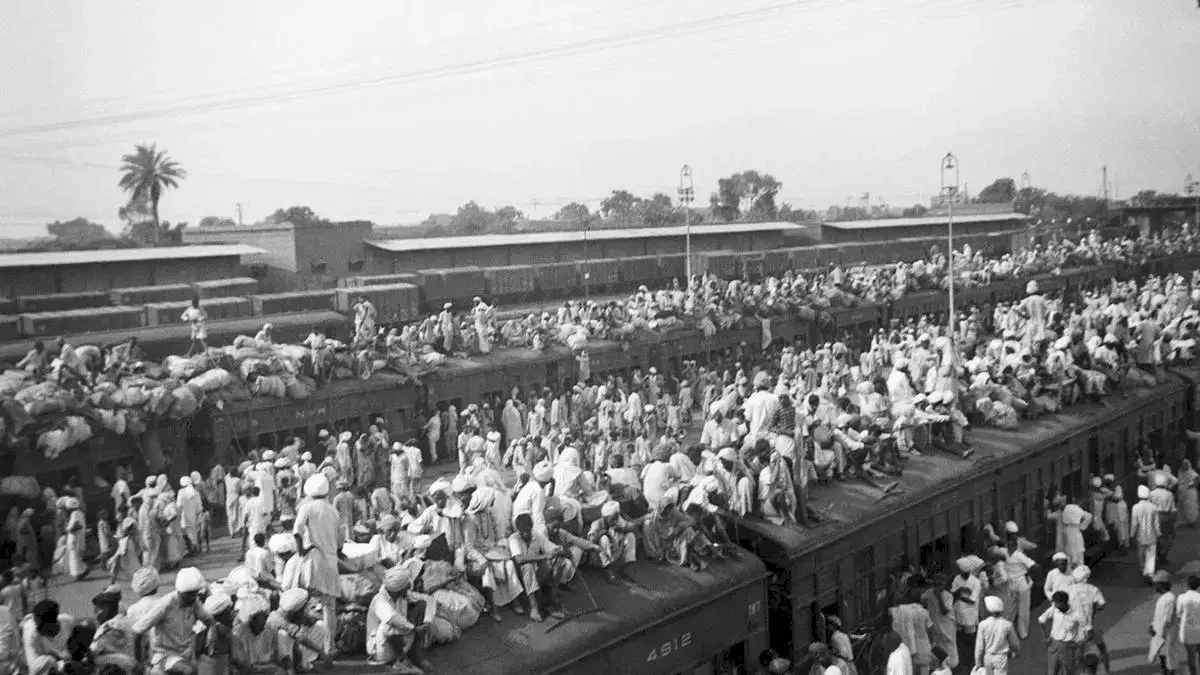
Lahore's fate in 1947 was not a foregone conclusion. The 1941 census gave Muslims a 57 per cent majority in Punjab, but the city itself had a dense mix of Hindus, Sikhs,…
The Story in Brief
Lahore's fate in 1947 was not a foregone conclusion. The 1941 census gave Muslims a 57 per cent majority in Punjab, but the city itself had a dense mix of Hindus, Sikhs, and Muslims. The 1946 election saw the Muslim League win the most seats but fail to form a government. A coalition of Unionists, Congress, and Sikhs took power, leading to mass agitation. Chief Minister Khizar Hayat Tiwana resigned on March 2, 1947, and violence erupted the next day. The city's religious geography, from the Badshahi Mosque to the Shahid Ganj dispute, had long been entangled with politics, making the border a knife through a living fabric.
The Indian Opinion
The popular narrative paints Partition as a clean religious divide, but the battle for Lahore shows the messier truth. All three communities, Muslim, Hindu, Sikh, had deep roots and claims that no census could settle. The Shahid Ganj dispute and the 1946 election reveal that the question was not just Pakistan versus India, but which Punjab, and whose Lahore. That complexity is often lost in today's retellings. The test remains: how do we remember a city that belonged to everyone, yet ended up belonging to one nation?
Source: frontline.thehindu.com
This story was synthesised by AI from the source linked above.