























Now Reading: Massachusetts cranberry farm restored to wetland, thousands of fish return
-
01
Massachusetts cranberry farm restored to wetland, thousands of fish return

Massachusetts cranberry farm restored to wetland, thousands of fish return


A century-old cranberry farm in Plymouth, Massachusetts, has been restored into freshwater wetland, bringing back fish that had been blocked for over 100 years. Tidmarsh Farms, a 600-acre property, was used for…
The Story in Brief
A century-old cranberry farm in Plymouth, Massachusetts, has been restored into freshwater wetland, bringing back fish that had been blocked for over 100 years. Tidmarsh Farms, a 600-acre property, was used for cranberry farming since the 1890s. The operation had drained natural wetlands, straightened streams, and built barriers to control water. Restoration began in 2010 after the farm was taken out of production.
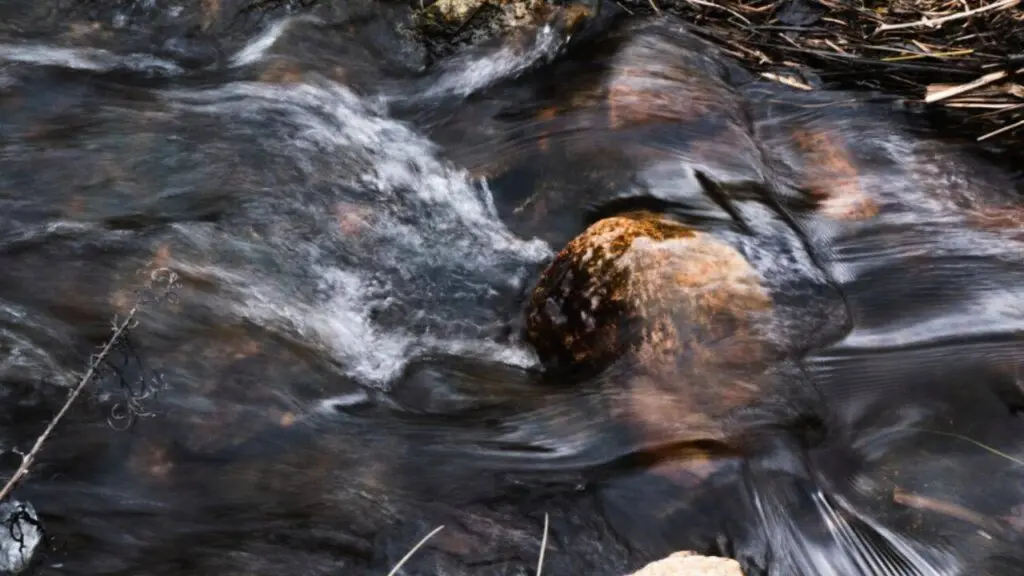
The project restored 225 acres of wetland habitat and more than three miles of stream channel. Excavators dug new channels that slow water flow and keep it cooler. Dams and barriers were removed, reconnecting headwaters to the sea. The Times of India reports that within a year, native seeds in the sand began to germinate. The site, now Tidmarsh Wildlife Sanctuary, is managed by Mass Audubon.
The Indian Opinion
Some may trumpet this as an easy win for nature, but the restoration cost years of work and could not fully undo the damage. The two feet of sand piled over peat could not be removed entirely. The real test is whether projects like this can succeed at scale: Massachusetts has completed nine such projects covering about 500 acres, with 11 more planned. Will the state keep funding them as cranberry farming declines? That is the question that will decide if this is a trend or a one-off.
Source: timesofindia.indiatimes.com
This story was synthesised by AI from the source linked above.
Updated: this story now draws on 1 sources.