











Now Reading: Maternal Anaemia Linked to 27% Higher Stillbirth Risk in India
-
01
Maternal Anaemia Linked to 27% Higher Stillbirth Risk in India


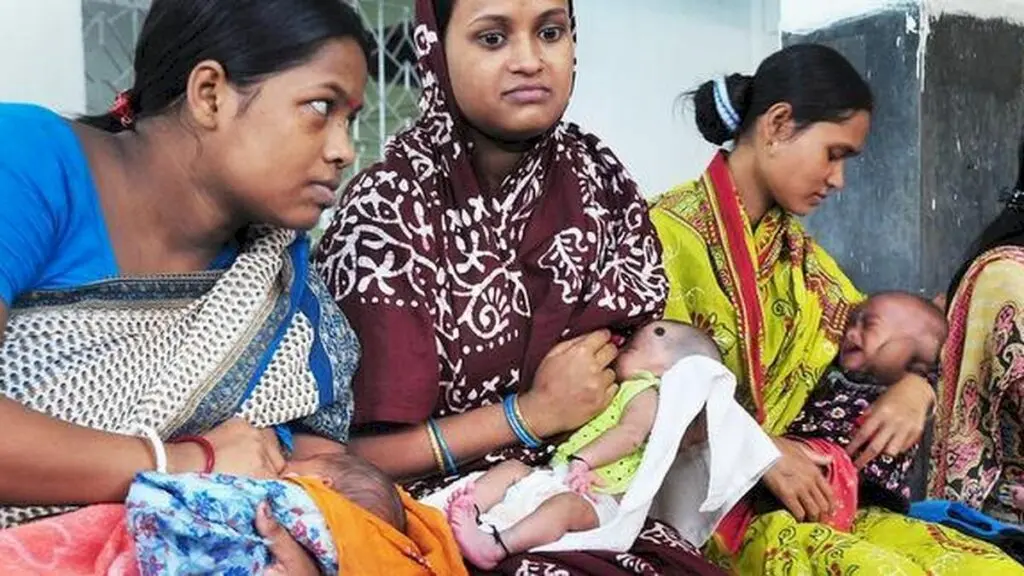
Women in India with moderate-to-severe anaemia during pregnancy face a 27% higher risk of stillbirth after 28 weeks, a study published in The Lancet Regional Health Southeast Asia finds. Severe anaemia was…
The Story in Brief
Women in India with moderate-to-severe anaemia during pregnancy face a 27% higher risk of stillbirth after 28 weeks, a study published in The Lancet Regional Health Southeast Asia finds. Severe anaemia was linked to stillbirths occurring around the 29th week, compared with the 31st week among other women.

Researchers analysed 2,14,709 single-foetus pregnancies from the ICMR-Stillbirth Pooled Indian Cohort Consortium. Of these, 1,08,982 women, or 52%, had haemoglobin below 10 grams per decilitre, and 3,595 stillbirths were recorded. The authors called anaemia a modifiable risk factor and urged prevention and treatment during pregnancy, while noting that genetic causes may need other approaches.
The Indian Opinion
Claims that anaemia alone explains stillbirths would go beyond this study, as the findings show an association and include varied cohorts across ten states. But dismissing the result as just a statistic would also be lazy: more than half the women studied had moderate-to-severe anaemia. The practical test is whether better screening and treatment reduce stillbirths below the recorded 1.7% rate.
Sources (2): thehindu.com, health.economictimes.indiatimes.com
This story was synthesised by AI from the 2 sources linked above.
Updated: this story now draws on 2 sources.