



















Now Reading: PM Modi: 99% of Indian waters now open for exploration
-
01
PM Modi: 99% of Indian waters now open for exploration


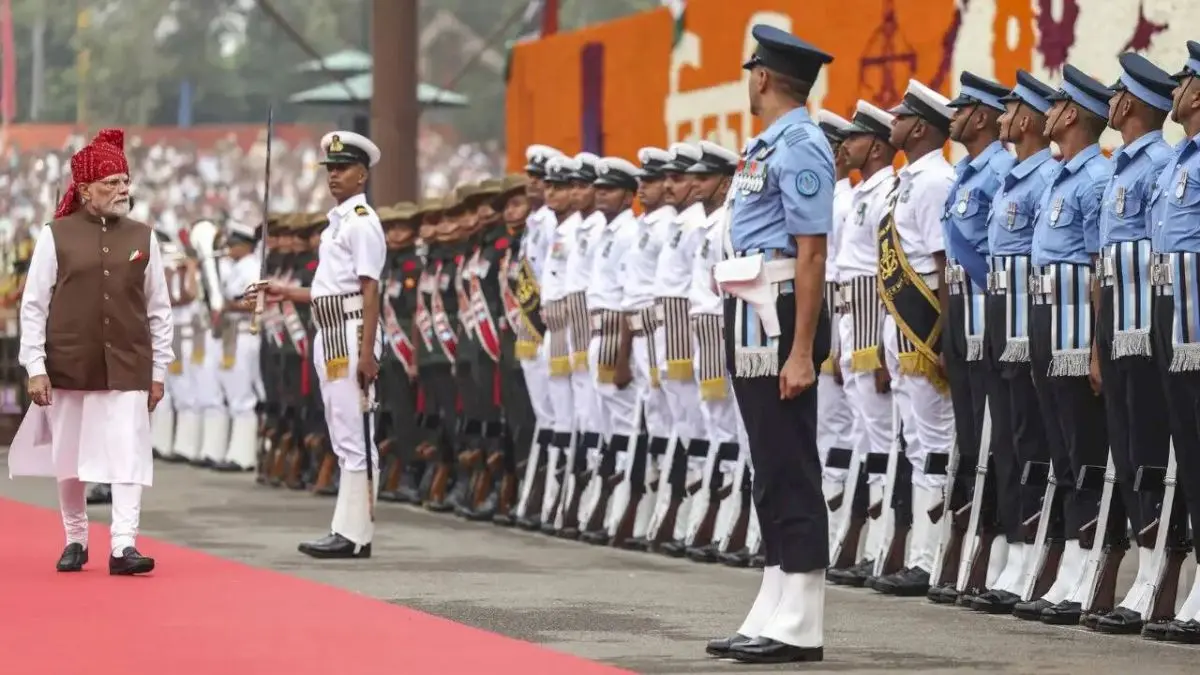
Prime Minister Narendra Modi said on Saturday that 99% of India's coastal waters, previously classified as 'no-go areas', have been redesignated as 'go-ahead zones' for deep-sea exploration. Speaking from the Red Fort…
The Story in Brief
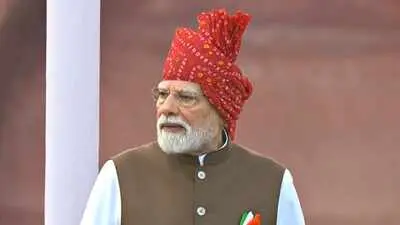
Prime Minister Narendra Modi said on Saturday that 99% of India's coastal waters, previously classified as 'no-go areas', have been redesignated as 'go-ahead zones' for deep-sea exploration. Speaking from the Red Fort on the 80th Independence Day, Modi called the earlier ban a 'poverty of thought' that had limited the country's resource potential.
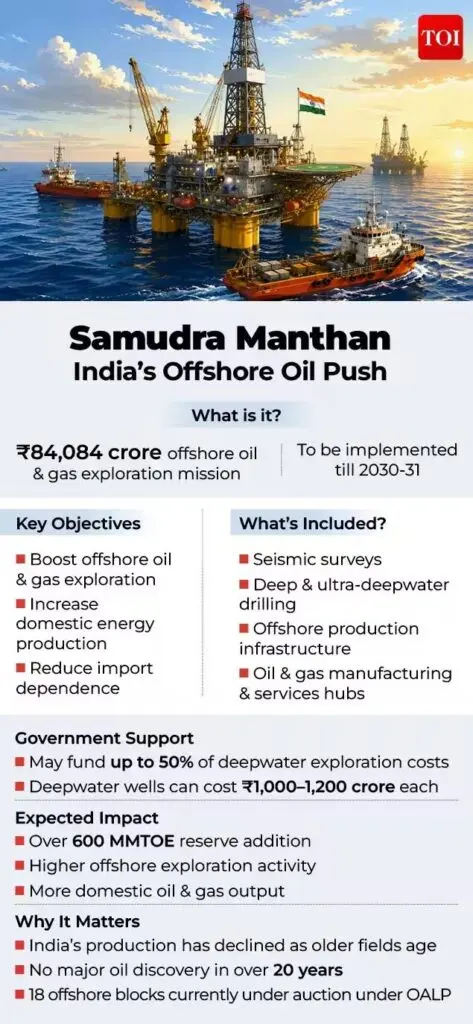
Modi cited the 'Samudra Manthan' initiative as the vehicle for this shift. The Union Cabinet approved the scheme on July 31 with a budget of Rs 84,084 crore for Phase I, aiming to accelerate hydrocarbon exploration and reduce India's dependence on crude oil imports, which cost nearly Rs 13 lakh crore annually. The government hopes to tap into an estimated 5,600 MMTOE of offshore resources.
The Indian Opinion
Critics may dismiss this as yet another government rebranding of old plans, but the scale of the investment and the explicit reversal of a decades-old policy suggest real intent. The test, however, is in execution: Will the tenders attract global majors? Can environmental safeguards keep pace with drilling in ultra-deep waters? The number to watch is the first production from these newly opened blocks by 2030.
Sources (3): timesnownews.com, timesofindia.indiatimes.com, hindustantimes.com
This story was synthesised by AI from the 3 sources linked above.
Updated: this story now draws on 3 sources.