













Now Reading: UK responds to Madhya Pradesh family’s 1917 war loan claim
-
01
UK responds to Madhya Pradesh family’s 1917 war loan claim


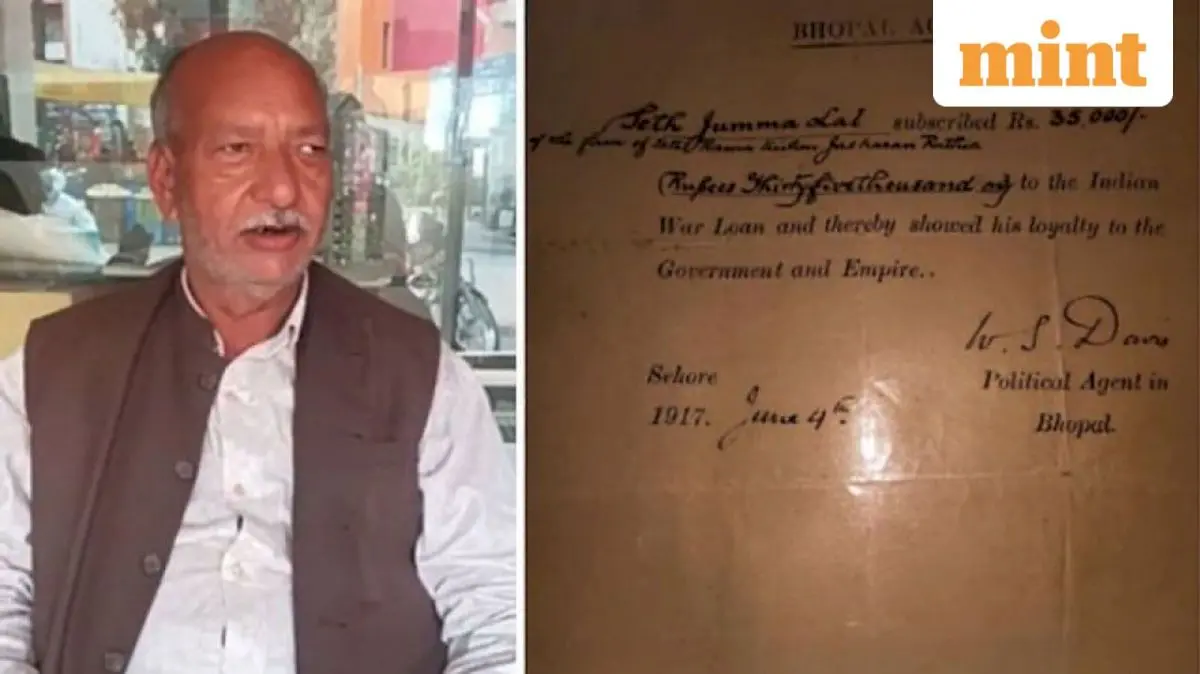
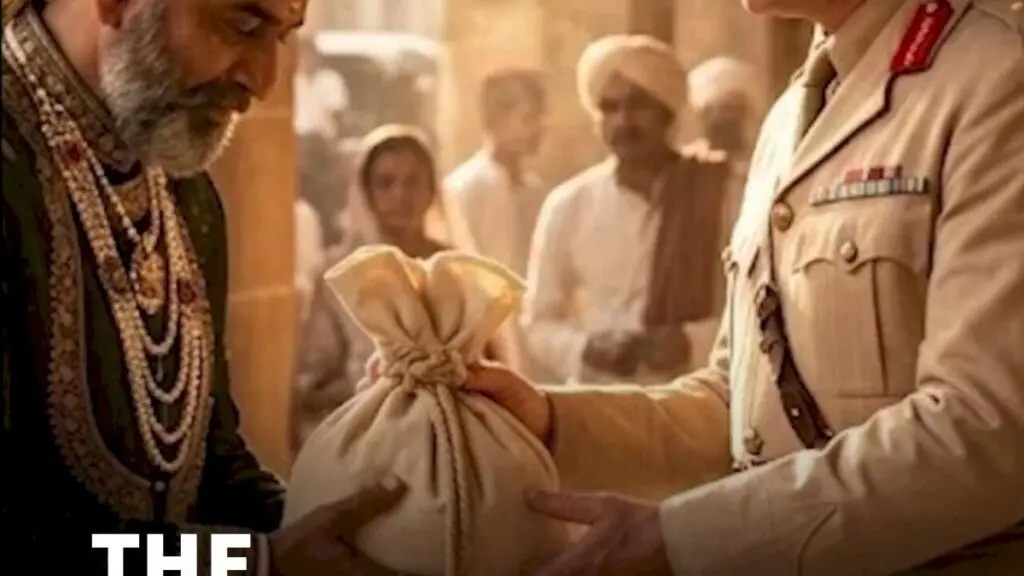
The UK government's Debt Management Office has emailed the family of Seth Jumma Lal Ruthia, a Sehore businessman who gave the British Raj Rs 35,000 as a World War I war loan…
The Story in Brief
The UK government's Debt Management Office has emailed the family of Seth Jumma Lal Ruthia, a Sehore businessman who gave the British Raj Rs 35,000 as a World War I war loan in 1917. The family's lawyer received a request for the original certificate and related documents. Third-generation grandson Vivek Ruthia, 63, told the Times of India his legal team is preparing responses. Seth Jumma Lal died in 1937, and the British left India in 1947.
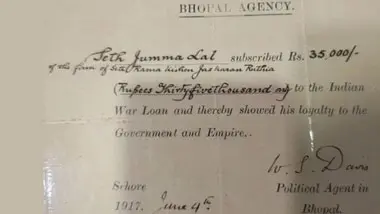
The 1917 Indian War Loan certificate carries a 5.5 per cent interest rate. If compounded over 109 years, the family estimates the amount would run into crores. The British government redeemed £1.9 billion in World War I bonds in 2015, but that does not automatically cover this individual certificate.
The Indian Opinion
The Ruthia family deserves a clear answer from the UK government, but the story carries an air of patriotic grievance that obscures legal reality. The 1915 UK War Loan redemption does not automatically cover Indian War Loan certificates. Crowdsourced narratives of colonial-era debts being 'unpaid' often ignore that successor governments, not private citizens, succeeded to such liabilities. The test will be whether the Ruthia certificate is a registered bond under the original terms or a mere subscription receipt. Until then, this is a curiosity, not a claim.
Sources (3): livemint.com, livemint.com (2), deccanherald.com
This story was synthesised by AI from the 3 sources linked above.
Updated: this story now draws on 3 sources.