













Now Reading: MP High Court quashes conviction of CEO, says mere tenure not enough
-
01
MP High Court quashes conviction of CEO, says mere tenure not enough


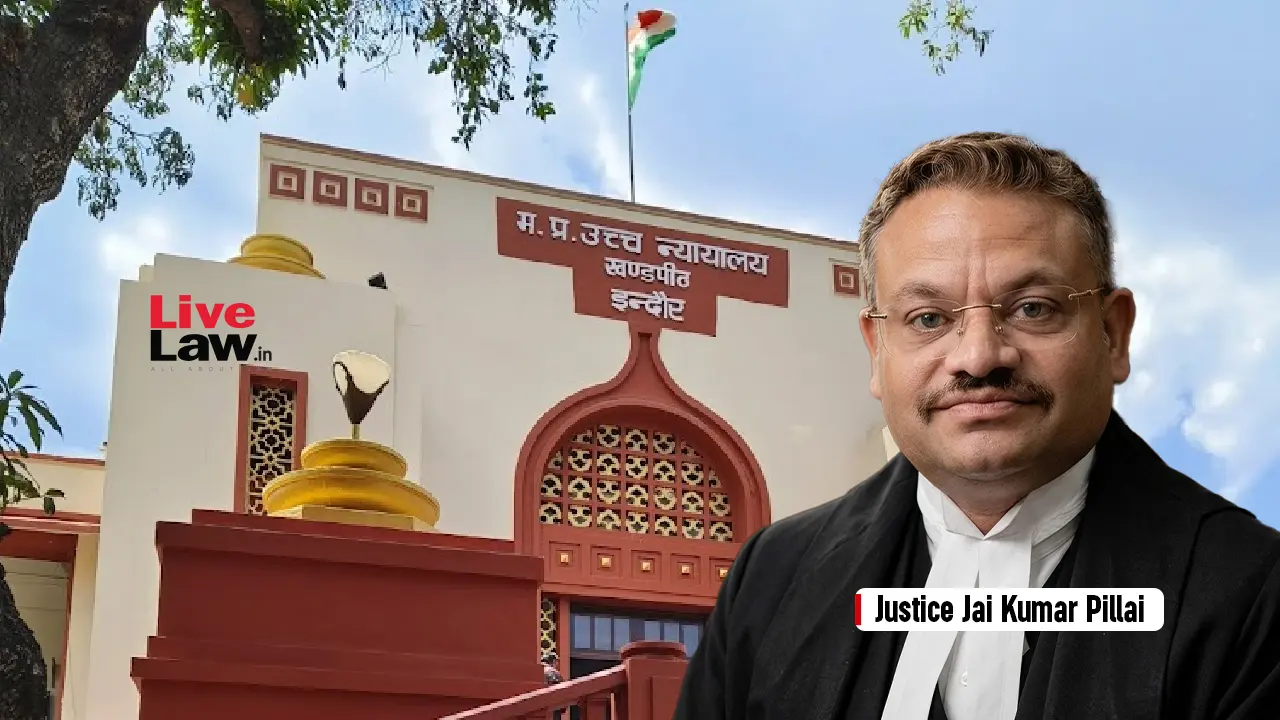
The Madhya Pradesh High Court set aside the conviction of a former Chief Executive Officer of Ujjain under the Prevention of Corruption Act, ruling that a public servant cannot be found guilty merely because irregularities occurred during her tenure. The bench of Justice Jai Kumar Pillai said a criminal court cannot convict a person solely for holding office when the lapses came to light.
The case involved irregularities in 110 missing transit passbooks, failure to execute an auction agreement for 26 mines, and excess advertising payments. The trial court had convicted the appellant of criminal misconduct and criminal conspiracy. The High Court noted that the prosecution failed to prove dishonest intent, and the appellant had been exonerated in a departmental inquiry and later promoted.
The court held that the evidence at most showed administrative irregularity, not criminal misconduct, and that the sanction for prosecution was not validly proven. The conviction was quashed and the appellant was acquitted.
Indian Opinion Analysis
The ruling reinforces a key principle under the Prevention of Corruption Act: criminal liability requires proof of dishonest intention, not just supervisory failure. The Supreme Court has repeatedly held that mere irregularities in administration do not amount to criminal misconduct unless a public servant personally gained or abused office. The prosecution's failure to demonstrate that the CEO controlled the missing passbooks or authorised the excess payments proved fatal. The case also highlights that a clean chit in a departmental inquiry, while not binding on a criminal court, can weaken a weak prosecution case. The trial court had overlooked this, leading to the acquittal on appeal.
Source: livelaw.in
This brief was synthesised by AI from the source linked above. Methodology and corrections.