








Now Reading: Namibia’s diamond ghost town Kolmanskop buried by sand
-
01
Namibia’s diamond ghost town Kolmanskop buried by sand



Kolmanskop, a former diamond mining town in the Namib desert, is now abandoned and slowly being swallowed by sand. The settlement grew rapidly after 1908, when railway worker Zacherias Lewala found diamonds…
The Story in Brief
Kolmanskop, a former diamond mining town in the Namib desert, is now abandoned and slowly being swallowed by sand. The settlement grew rapidly after 1908, when railway worker Zacherias Lewala found diamonds on the tracks. His German supervisor, August Stauch, recognised the discovery, sparking a rush that turned the remote area into a small European-style town with electricity, a hospital, bakery and even an ice-making plant. At its peak, about a thousand people lived there.
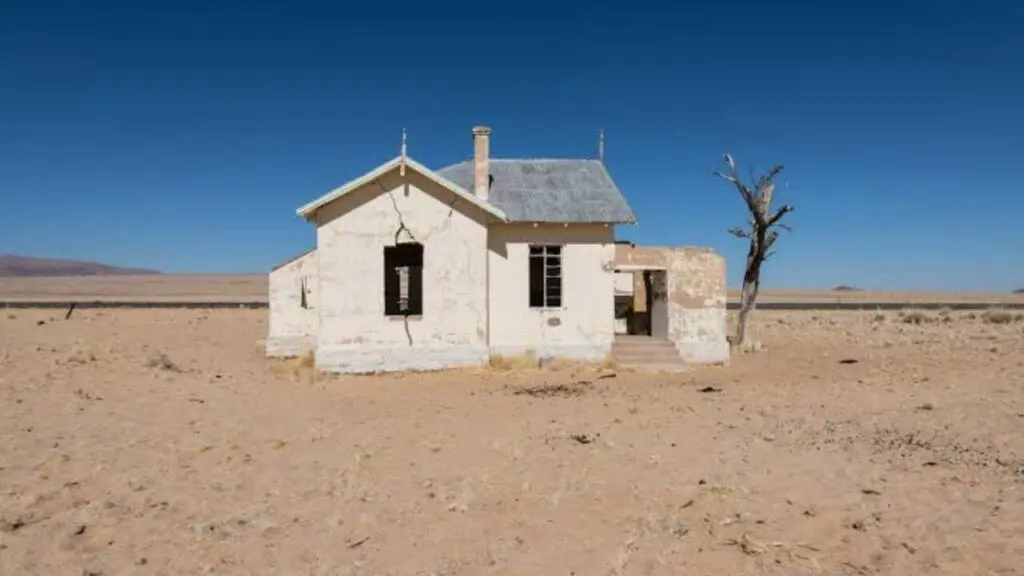
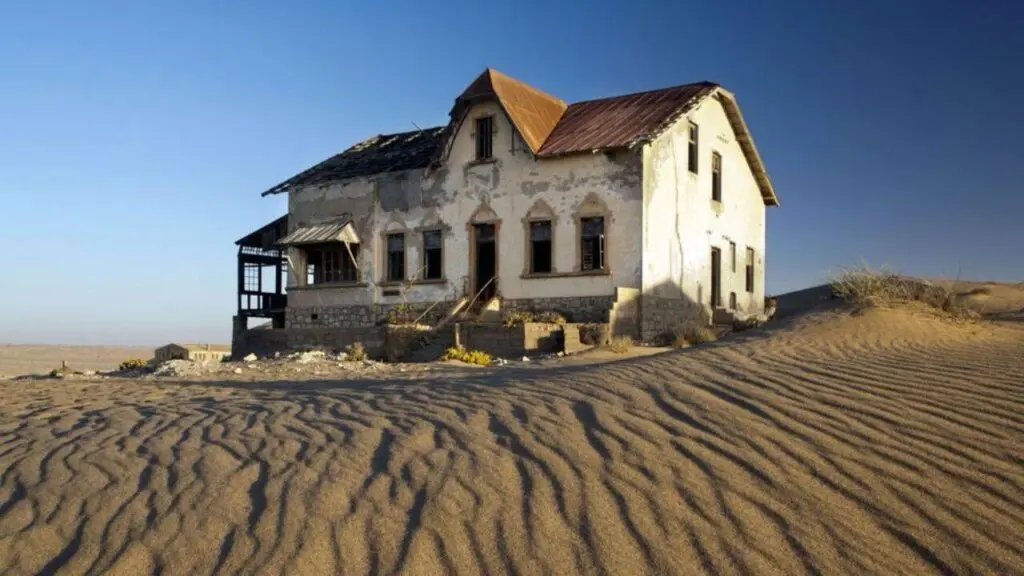
But the boom did not last. Richer deposits were found farther south in 1928, and the industry moved away. By 1956, Kolmanskop was empty. Today, sand drifts through its abandoned buildings, making it a tourist attraction. The story sits within German colonial rule, including the violent suppression of the Herero people. Times of India reports that the town now draws visitors who photograph its sand-filled rooms and peeling paint.
The Indian Opinion
The Kolmanskop story is often told as a romantic tale of desert opulence and decay, but that skips the colonial violence that made it possible. The diamond rush enriched German settlers while Herero people were being massacred and local workers kept in a tightly controlled mining economy. The ghost-town romance hides an ugly past. When tourism numbers are released next quarter, compare them with visitor numbers to memorials of the Herero genocide. Which story are we paying to see?
Source: timesofindia.indiatimes.com
This story was synthesised by AI from the source linked above.