














Now Reading: Swiss naturalist turns barren Kenyan quarry into wildlife sanctuary
-
01
Swiss naturalist turns barren Kenyan quarry into wildlife sanctuary

Swiss naturalist turns barren Kenyan quarry into wildlife sanctuary


A Swiss-born naturalist has turned a barren limestone quarry near Mombasa, Kenya, into a thriving wildlife sanctuary after decades of work. Dr. René Haller, working with Bamburi Cement, began the restoration in…
The Story in Brief
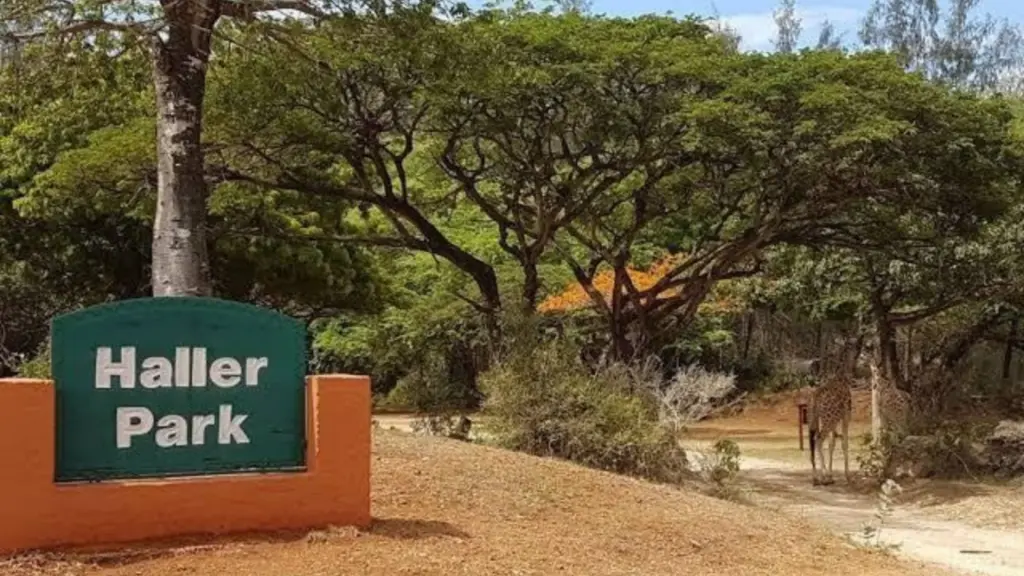
A Swiss-born naturalist has turned a barren limestone quarry near Mombasa, Kenya, into a thriving wildlife sanctuary after decades of work. Dr. René Haller, working with Bamburi Cement, began the restoration in 1971. He planted 26 tree species, but only three survived the harsh, salty ground. One survivor, the casuarina tree, dropped needles that would not decay. Haller introduced red-legged Mombasa millipedes to break down the needles, rebuilding soil nutrients. Over time, more than a million trees were planted, and former quarry pits became wetlands and ponds. The site, now Haller Park, hosts forests, butterflies, birds, and mammals.
The Indian Opinion
The Haller Park story is often held up as a simple triumph of green fingers over industry. But the real lesson is messier: it took 50 years, one stubborn man, and a millipede. The narrative that any degraded site can be 'rewilded' quickly sells a fantasy. Haller's success depended on rebuilding biological relationships, not just planting trees. The real test will be whether other quarries, especially in India, are willing to adopt such patient, science-led restoration instead of cosmetic greening.
Source: timesofindia.indiatimes.com
This story was synthesised by AI from the source linked above.