











Now Reading: Nilekani exam panel revisits most reforms already recommended
-
01
Nilekani exam panel revisits most reforms already recommended


Seven of the nine substantive mandates assigned to Nandan Nilekani’s exam reform task force were fully covered, and two partly covered, by the Radhakrishnan committee’s 2024 report, Hindustan Times reports. The new…
The Story in Brief
Seven of the nine substantive mandates assigned to Nandan Nilekani’s exam reform task force were fully covered, and two partly covered, by the Radhakrishnan committee’s 2024 report, Hindustan Times reports. The new panel has a wider brief covering India’s entire examination system and the National Testing Agency’s statutory framework.

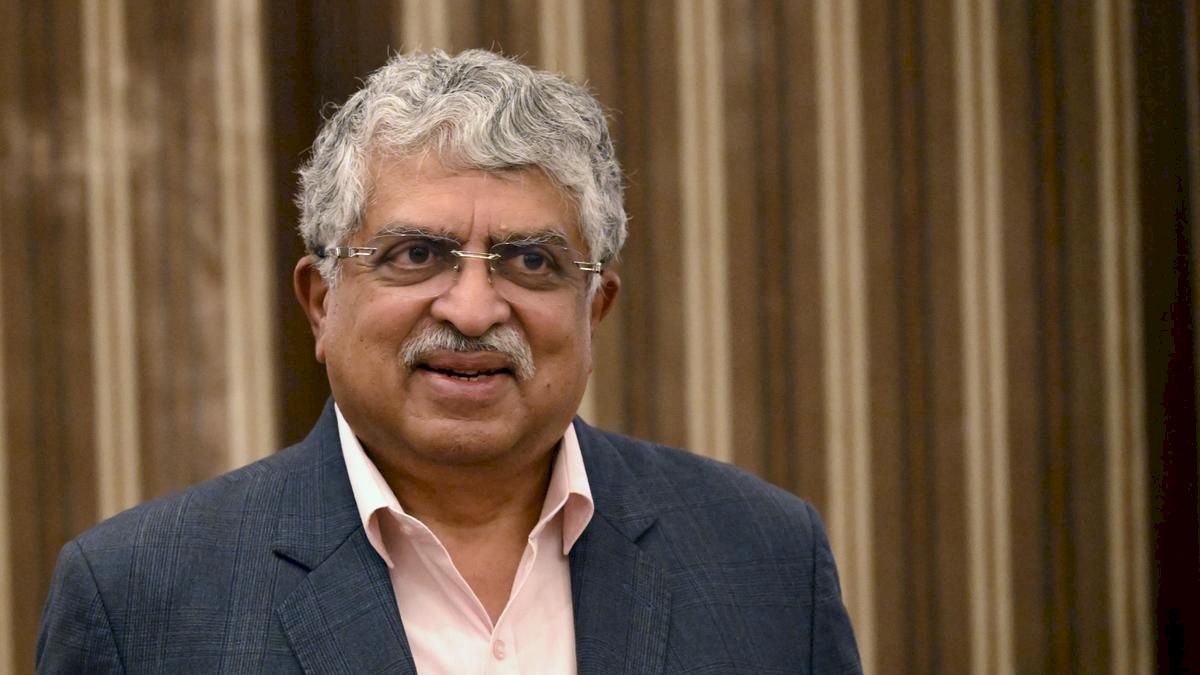
The Centre says new cybersecurity threats and changing methods used by those targeting exams require fresh action. Hindustan Times reports that 27 of the earlier committee’s 101 recommendations remain unimplemented, including 21 of 41 long-term measures. Nilekani, an Infosys co-founder and former UIDAI chairman, will lead the six-member panel announced by Prime Minister Narendra Modi after protests over the NEET-UG 2026 paper leak.
The Indian Opinion
The lazy claim that a new panel automatically means reform is unfair, but so is dismissing it as mere political damage control. The sharper concern is execution: most of the new brief overlaps with work already done, while 27 recommendations remain pending. A fresh review can be justified by new cyber threats, yet it must publish a dated action plan and report progress publicly. The first test is simple: how many of those 27 measures are completed, and by when?
Sources (3): thehindu.com, thehindu.com (2), hindustantimes.com
This story was synthesised by AI from the 3 sources linked above.
Updated: this story now draws on 3 sources.