




















Now Reading: Nilgiri wild jamun trees fail to flower in 2026, worry scientists
-
01
Nilgiri wild jamun trees fail to flower in 2026, worry scientists

Nilgiri wild jamun trees fail to flower in 2026, worry scientists

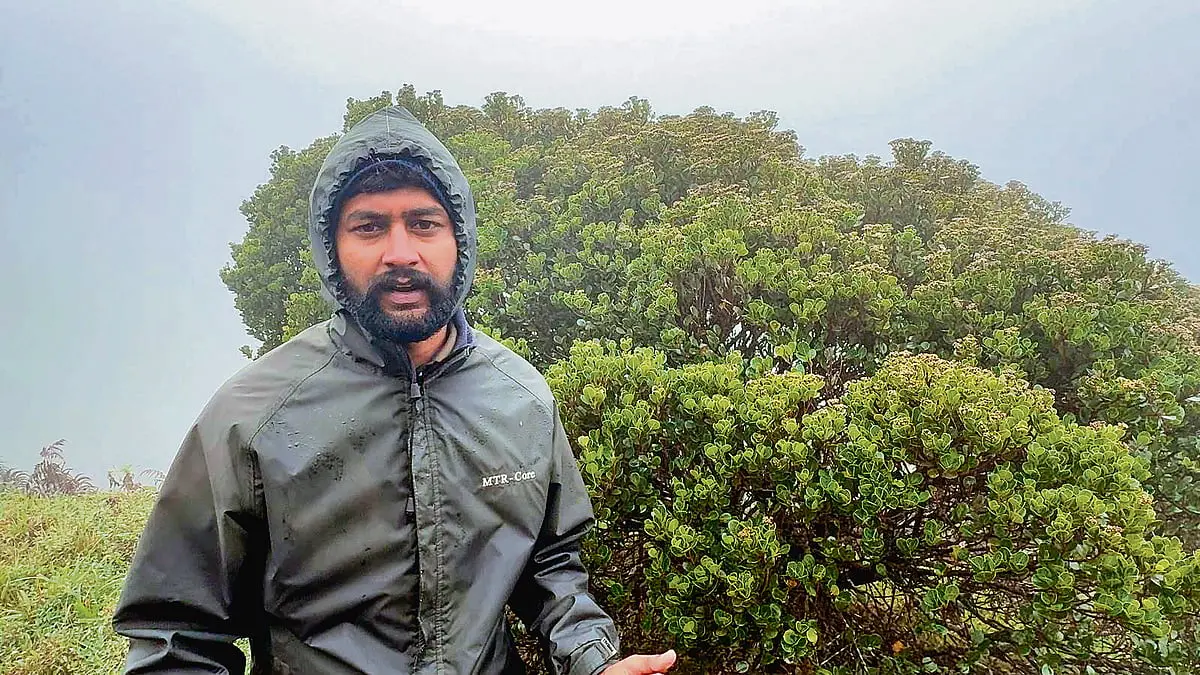
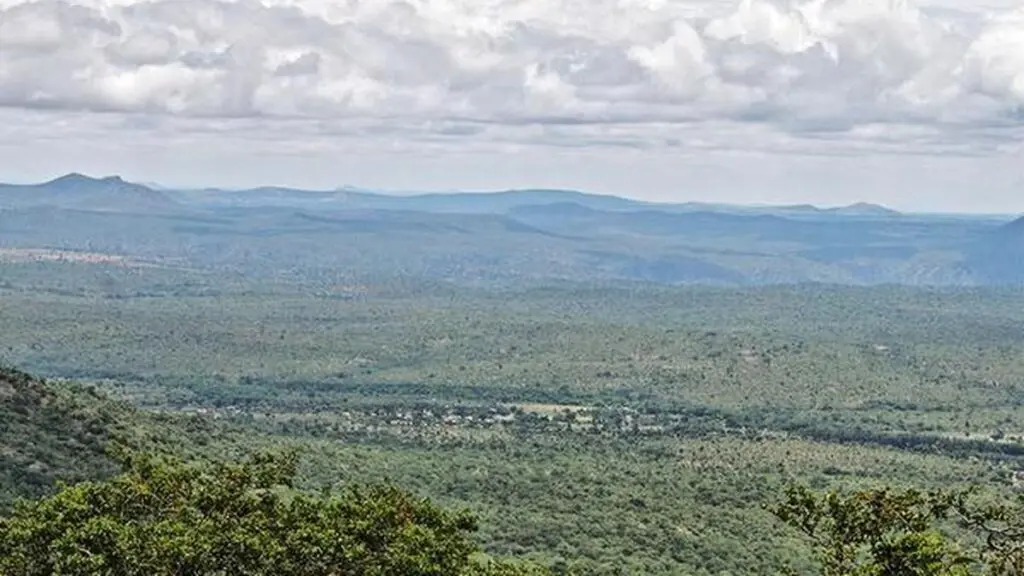
In a worrying sign for one of India's most fragile ecosystems, the endangered Nilgiri wild jamun (Syzygium calophyllifolium) has failed to flower or fruit this season across the Nilgiris landscape. A reporter who trekked to the remote Western Catchment Area in Tamil Nadu, where hundreds of these trees grow above 2,000 metres, found no ripened fruit and stunted budding in just a few trees.

The IUCN Red List classifies the species as Endangered, estimating fewer than 700 mature individuals remain in the wild across five montane landscapes. The Nilgiri and Agasthyamalai landscapes together account for 72% of the population. Scientists and forest officials are concerned that 2026, one of the warmest years with a developing super El Nino and poor monsoon, may have disrupted the tree's reproductive cycle.
While experts caution that one year's failure cannot be directly attributed to climate change, they stress the need to observe the trees next year. If the failure repeats, climate stress becomes a stronger possibility. The species is an indicator of ecological health in the ancient shola forests, and its fruit is a key food source for animals including the Nilgiri Tahr.
Indian Opinion Analysis
The Nilgiri wild jamun is a keystone species in the shola-grassland mosaic, a fragile ecosystem restricted to high altitudes in the Western Ghats. Its failure to fruit threatens not just the tree itself but the entire food web, including the endangered Nilgiri Tahr, which relies on it. The IUCN assessment already shows a continuing decline in habitat quality. The next flowering season, February to May 2027, will be critical: if the failure repeats, scientists will have stronger evidence of climate-driven phenological shift. The Tamil Nadu Forest Department and Keystone Foundation may need to initiate regular monitoring of this indicator species to detect early warning signs.
Watch for: the 2027 flowering season and any formal monitoring programme announced by the state forest department.
Source: newindianexpress.com
This story was synthesised by AI from the source linked above. Methodology and corrections.