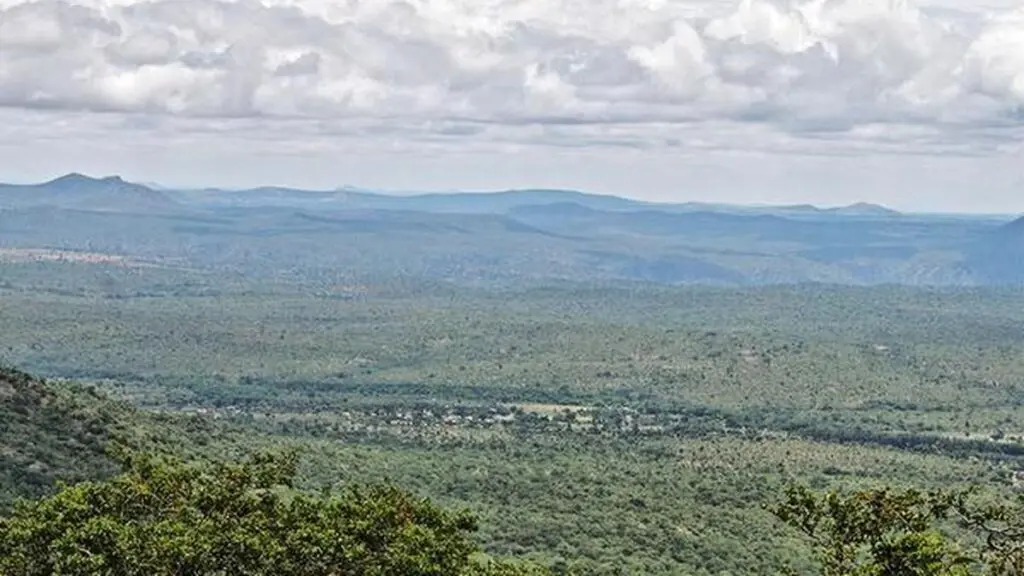















Now Reading: Shrinking Nilgiri grasslands disrupt endemic birds’ movements, study finds
-
01
Shrinking Nilgiri grasslands disrupt endemic birds’ movements, study finds

Shrinking Nilgiri grasslands disrupt endemic birds’ movements, study finds

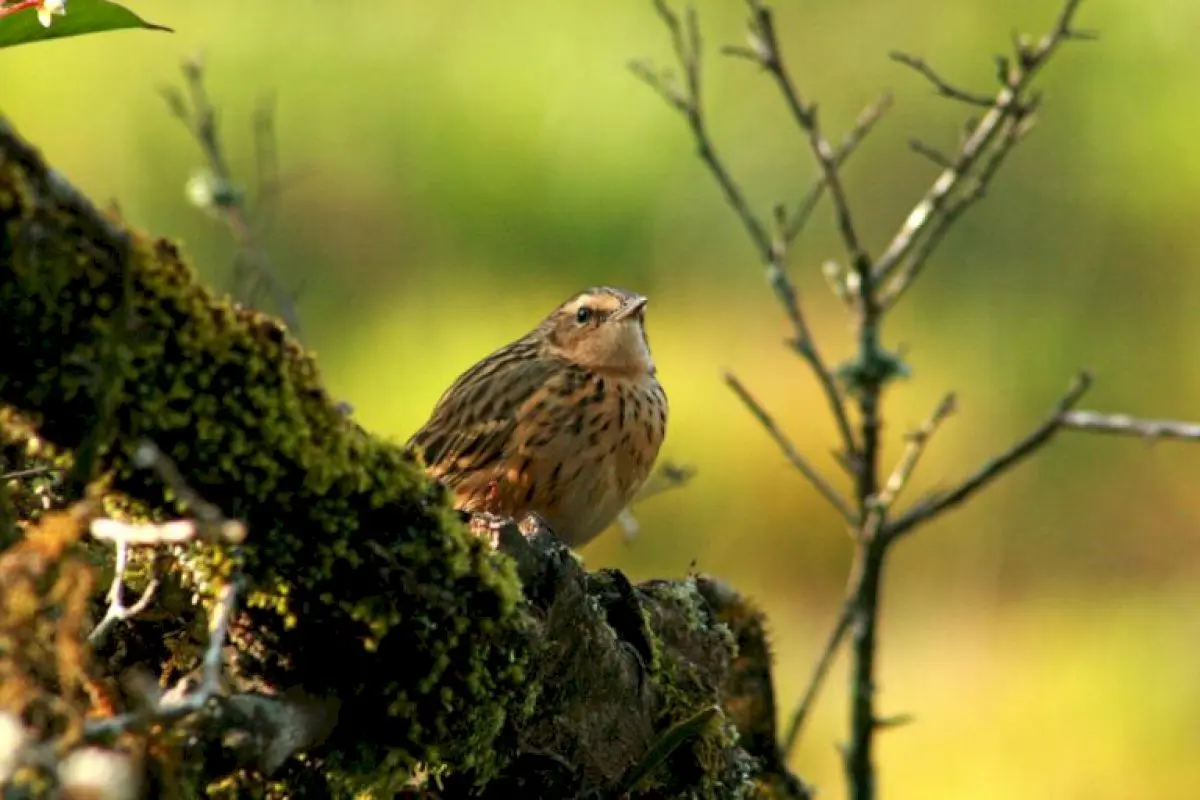
A study across the Nilgiri and Palani-Anamalai shola sky islands found that shrinking grasslands and human activity are disrupting bird movements. Between 1973 and 2017, the region lost 516 sq km of…
The Story in Brief
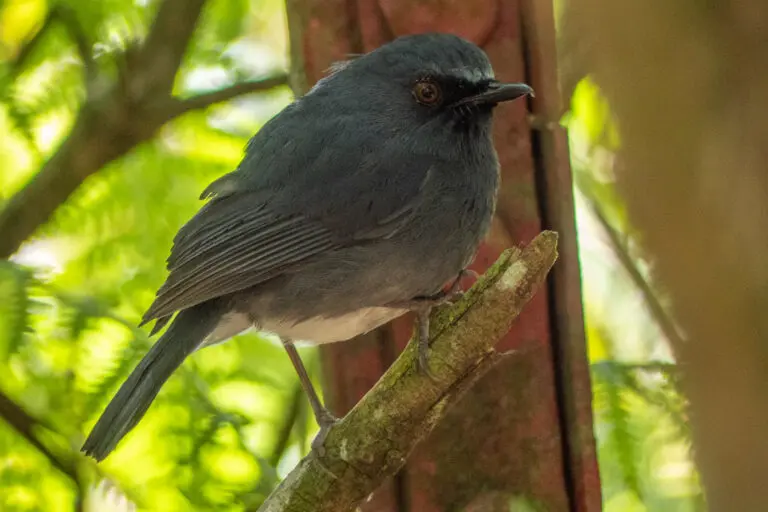
A study across the Nilgiri and Palani-Anamalai shola sky islands found that shrinking grasslands and human activity are disrupting bird movements. Between 1973 and 2017, the region lost 516 sq km of grasslands and 63 sq km of forests. Researchers modelled movement patterns for seven endemic bird species across about 2,900 sq km above 1,400 metres. Forest and grassland birds generally avoided farms, tea plantations and settlements, but reacted differently to woodland invasion.
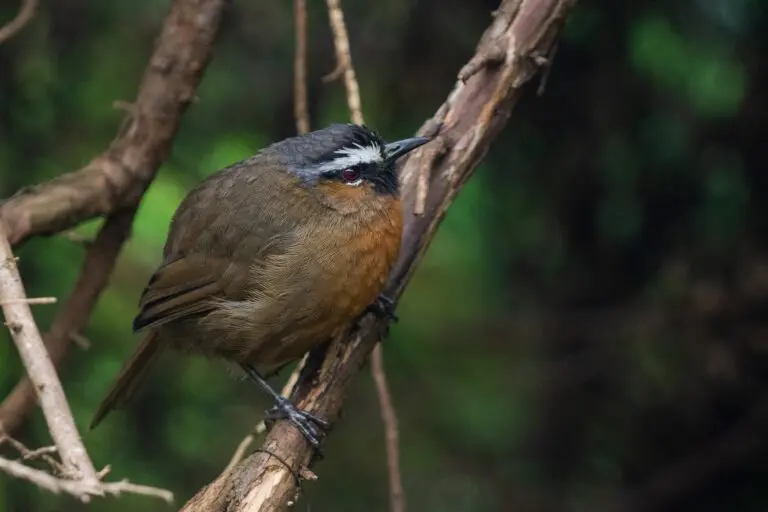
The Nilgiri pipit, the study’s sole grassland specialist, faced the greatest movement barriers across most of the study area. Researchers linked expanding exotic plantations, including Acacia, Eucalyptus and Pinus, to more fragmented grassland habitat. They said future genetic studies must establish whether isolation has reduced gene flow and increased inbreeding risks.
The Indian Opinion
The lazy narrative is that planting trees always repairs damaged landscapes. In the shola system, that assumption can harm a grassland specialist because exotic woodland replaces the open habitat needed to feed, nest and roost. The opposite overstatement, that every decline is caused by plantations, is also unsupported: the study models movement and does not prove woody invasion alone caused population loss. Genetic connectivity studies should show whether isolated Nilgiri pipit populations are losing gene flow.
Source: india.mongabay.com
This story was synthesised by AI from the source linked above.