















Now Reading: Parliament passes law allowing UPI charges; no fee for small users yet
-
01
Parliament passes law allowing UPI charges; no fee for small users yet


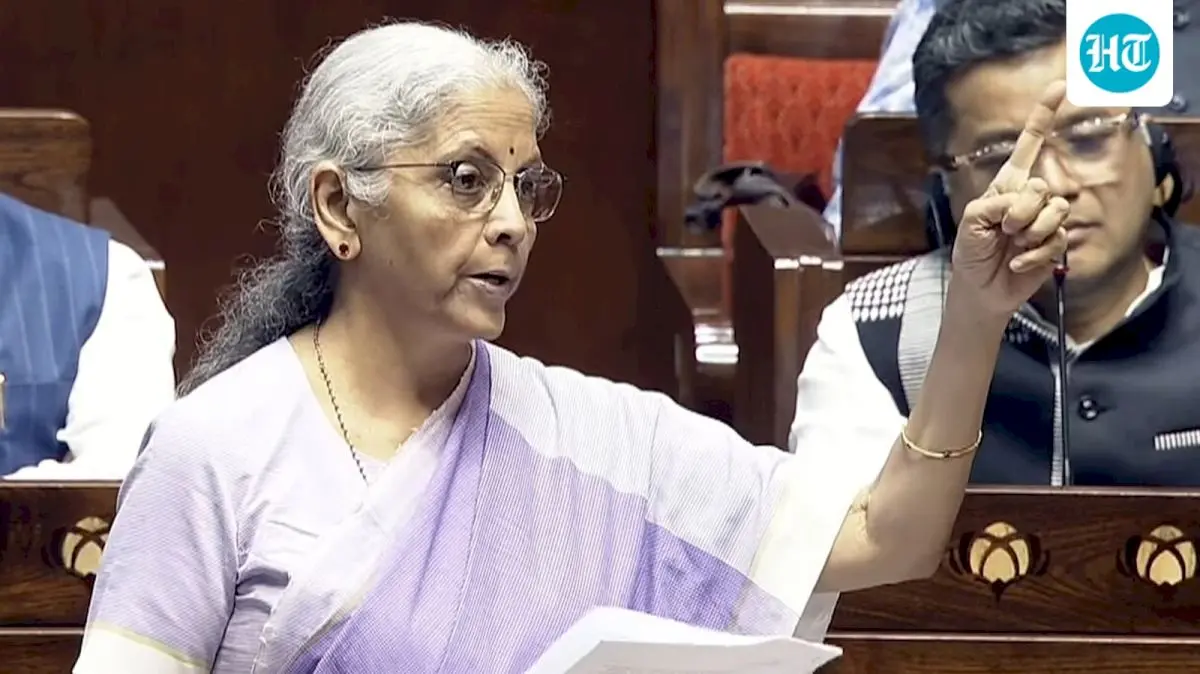
The government has passed a law enabling it to impose charges on UPI, but Finance Minister Nirmala Sitharaman assured Parliament that no transaction fee will be levied on users or small merchants.…
The Story in Brief
The government has passed a law enabling it to impose charges on UPI, but Finance Minister Nirmala Sitharaman assured Parliament that no transaction fee will be levied on users or small merchants. The Taxation and Other Laws (Amendment) Bill, 2026, amends Section 10A of the Payment and Settlement Systems Act, removing the statutory bar that kept UPI fee-free since 2020. The government is exploring two options: a Merchant Discount Rate on high-value transactions or a tiered incentive structure to phase out subsidies, the Standing Committee on Finance reported. The Parliamentary panel had flagged that current subsidies cover only 11% of industry costs. The actual MDR framework will be decided by the NPCI-led steering committee.

The Indian Opinion
The government’s enabling law for UPI fees looks like a policy reversal after a decade of promoting free digital payments. The official claim that only 5% of transactions by volume would be hit ignores that these account for 65% of transaction value. Who ultimately bears the cost remains unclear. Instead of a blank cheque, the government should first publish a clear cost-benefit analysis and specify the threshold and rate. The real test will be whether the final Merchant Discount Rate, if any, spares small merchants and consumers as promised.
Sources (4): hindustantimes.com, thehindu.com, legal.economictimes.indiatimes.com, thehindu.com (2)
This story was synthesised by AI from the 4 sources linked above.
Updated: this story now draws on 4 sources.