














Now Reading: Nvidia denies report of China-specific AI chip launch
-
01
Nvidia denies report of China-specific AI chip launch


The Story in Brief
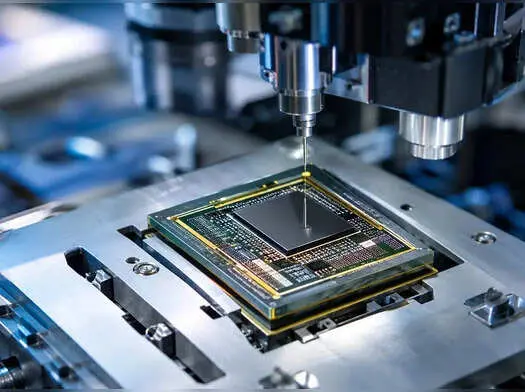
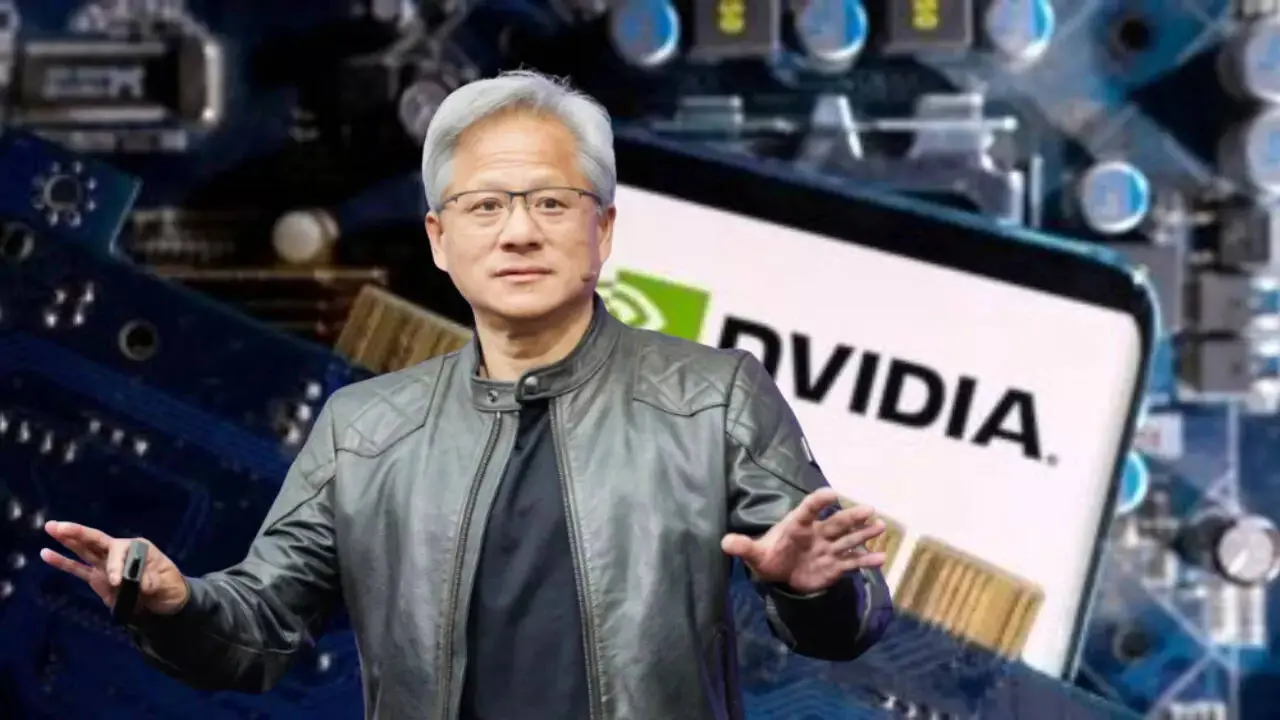
Nvidia has rejected a report by The Information that it plans to ship a new AI chip, called a language processing unit (LPU), to Chinese customers by the end of 2024. The Information had claimed, citing two Nvidia employees, that the company was preparing small-batch shipments and that several Chinese customers had placed orders.
An Nvidia spokesperson told Reuters: "The reporting in The Information on Nvidia's LPU is incorrect. We have no LPU sales in the China market today, and no China-specific LPU product in our roadmap." The report had said the chip was based on LPU technology licensed from startup Groq and was designed to comply with US export-control rules. Nvidia was also reportedly modifying software to work with processors available in China after US restrictions made its Vera Rubin system unavailable there.
The denial comes amid ongoing uncertainty over Nvidia's China business. In May, the US government approved sales of Nvidia's H200 AI chips to select Chinese firms including Alibaba, Tencent and ByteDance, but deliveries have only recently begun. Nvidia CEO Jensen Huang said in May the company had "largely conceded" China's AI chip market to domestic rival Huawei.
Indian Opinion Analysis
Both sources report the same facts: Nvidia's denial, The Information's claim, and the US-China trade context. Times Now frames the story around the denial, leading with the refutation, while Economic Times adds CEO Huang's May comment about conceding the market to Huawei, implying deeper strategic retreat. The Information's sourcing of unnamed employees is not corroborated independently. A measured reading suggests Nvidia's public roadmap shows no China-specific LPU, but the company may still be exploring software workarounds. Watch for any official Nvidia roadmap update or further US export rule changes.
Coverage: 2 sources, 2 neutral
Sources (2): timesnownews.com (neutral report), economictimes.indiatimes.com (neutral report)
This story was synthesised by AI from the 2 sources linked above. Methodology and corrections.
Updated: this story now draws on 2 sources.