






















Now Reading: Parliamentary panel flags gaps in Kerala’s disaster management
-
01
Parliamentary panel flags gaps in Kerala’s disaster management



A parliamentary standing committee on home affairs has flagged critical gaps in Kerala's disaster management framework, including poor last-mile dissemination of early warnings in landslide-prone and remote areas. Despite the state's vulnerability…
The Story in Brief
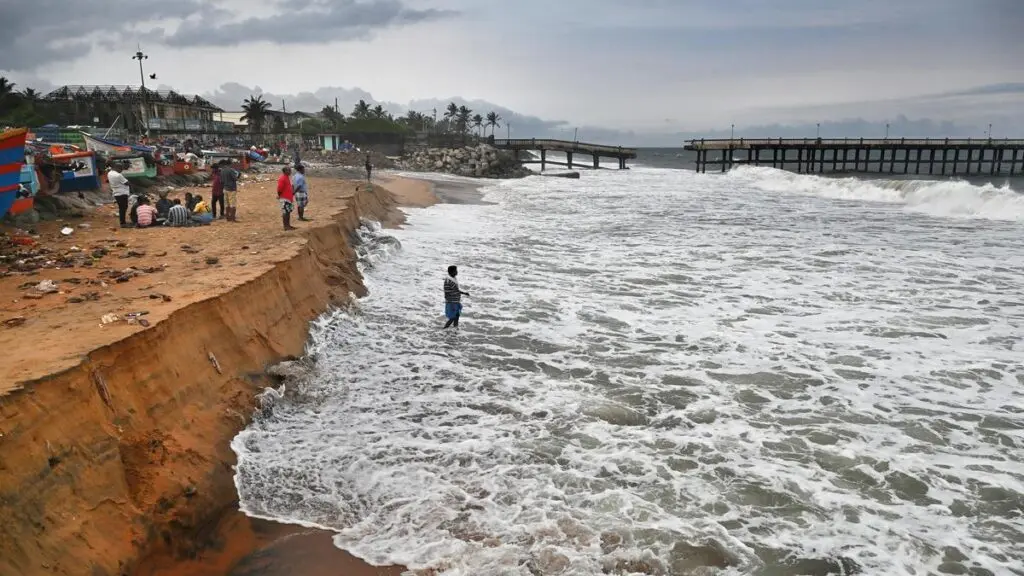
A parliamentary standing committee on home affairs has flagged critical gaps in Kerala's disaster management framework, including poor last-mile dissemination of early warnings in landslide-prone and remote areas. Despite the state's vulnerability to floods, landslides, coastal erosion, lightning and cyclones, the report notes technological limitations in hyper-local weather prediction, landslide early-warning accuracy and real-time flood-inundation modelling. The panel called for sustained efforts to strengthen risk-informed development norms and public awareness, while also criticising uneven enforcement of building regulations and land-use planning in ecologically fragile zones. However, the committee lauded Kerala's decentralised disaster management plans and its 'Orange Book' framework, as well as the role of over 4,500 trained community volunteers in first response.
The Indian Opinion
A parliamentary panel has pointed out critical gaps in Kerala's disaster management framework, including poor last-mile dissemination of early warnings in landslide-prone and remote areas. The report also flags technological limitations in hyper-local weather prediction and flood modelling. While the state's decentralised disaster management plans and community volunteer networks have been praised, the panel has called for stronger enforcement of building regulations and land-use planning, especially in ecologically fragile zones. Kerala needs to seriously address these gaps, while the Centre must improve forecast accuracy, as meteorological services fall under the Union List. The question is whether the two will coordinate effectively before the next monsoon hits.
Source: thehindu.com
This story was synthesised by AI from the source linked above.