





















Now Reading: Partition reshaped Punjab’s food culture through displacement and memory
-
01
Partition reshaped Punjab’s food culture through displacement and memory


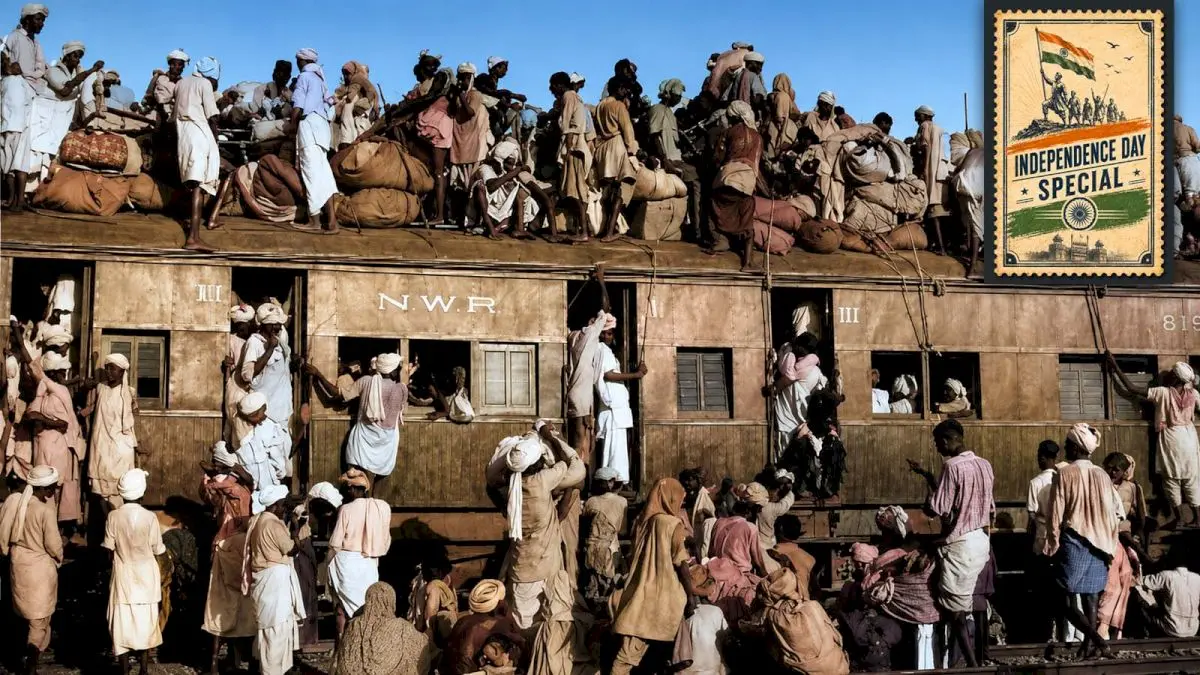
Partition uprooted millions in 1947, separating families from homes, farms, livestock and kitchens. The Federal reports that Punjab’s food traditions suffered more than the loss of recipes. Displaced families also lost access…
The Story in Brief
Partition uprooted millions in 1947, separating families from homes, farms, livestock and kitchens. The Federal reports that Punjab’s food traditions suffered more than the loss of recipes. Displaced families also lost access to the grains, vegetables, dairy, salt and wild plants that made those dishes possible. Urban life further reduced the time and space needed for pickling, foraging and traditional cooking.
The disruption also helped create the Punjabi food later popularised across India and abroad. Refugees from the North-West Frontier brought tandoors and meat-led cooking influenced by Peshwari and Afghan traditions. Tandoori meats, fish, mutton barrah and mutton tikka entered India’s restaurant culture. Bengal and Sindhi communities also saw food traditions change after displacement.
The Indian Opinion
The lazy story is that Partition simply spread a fixed Punjabi cuisine, or that migration erased every regional tradition. Both miss the evidence. Recipes travelled, but ingredients, land and cooking conditions often did not. The familiar restaurant menu was also a later creation, shaped by refugee movement and adaptation. The useful test is whether food histories can recover the lost regional ingredients and everyday dishes behind today’s standardised tandoori image.
Source: thefederal.com
This story was synthesised by AI from the source linked above.