














Now Reading: Perseid meteor shower peaks with eclipse, six-planet parade
-
01
Perseid meteor shower peaks with eclipse, six-planet parade



The Perseid meteor shower peaks Wednesday night into Thursday morning, coinciding with a total solar eclipse across Spain, Iceland and Greenland and a six-planet parade. Under ideal conditions, skywatchers could see 50…
The Story in Brief
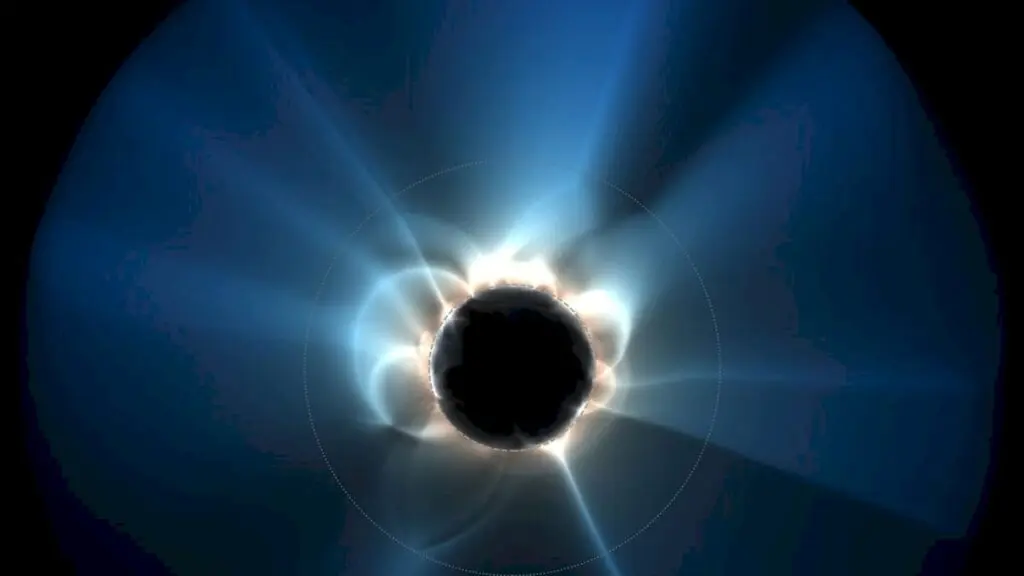
The Perseid meteor shower peaks Wednesday night into Thursday morning, coinciding with a total solar eclipse across Spain, Iceland and Greenland and a six-planet parade. Under ideal conditions, skywatchers could see 50 to 100 meteors per hour, NASA says, while the American Meteor Society estimates 30 to 50 per hour from rural areas. Best viewing comes after midnight, when the constellation Perseus climbs high in the northern sky, and the new moon ensures dark skies.
The Perseids, debris from comet 109P/Swift-Tuttle, have been observed for over 2,000 years and are known for brilliant fireballs. Astronomers advise going out after dark, away from city lights, and waiting half an hour for eyes to adjust. Totality will interrupt the show, but meteors will return after.
The Indian Opinion
The breathless coverage of this shower risks drowning the simple joy of it. Reports push the eclipse and planet parade as headline hooks, but for most Indians the real show is the meteors alone, visible from any dark patch. Don't wait for a rare cosmic coincidence or a trip to the Sierra Nevada. Step out after midnight, look up, and count. If you see 10 streaks in an hour, that is the Perseids doing their 2,000-year-old job. The hype is optional; the sky is not.
Sources (2): ndtv.com, economictimes.indiatimes.com
This story was synthesised by AI from the 2 sources linked above.
Updated: this story now draws on 2 sources.