Now Reading: Policybazaar Flags Cyber, Liability Gaps In Startup Insurance
-
01
Policybazaar Flags Cyber, Liability Gaps In Startup Insurance


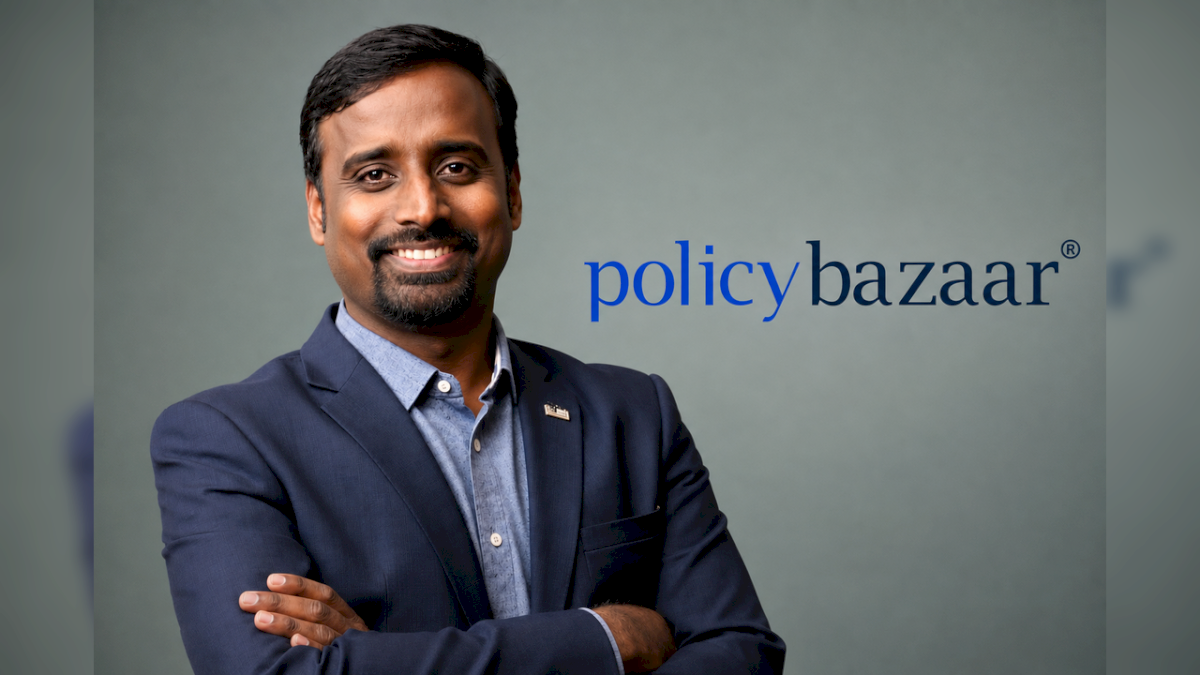
Startups often insure visible assets such as office equipment and employee health, while overlooking cyberattacks, directors’ and officers’ liability, professional indemnity, employee fraud and contractual risks, Policybazaar for Business head Sajja Praveen…
The Story in Brief
Startups often insure visible assets such as office equipment and employee health, while overlooking cyberattacks, directors’ and officers’ liability, professional indemnity, employee fraud and contractual risks, Policybazaar for Business head Sajja Praveen Chowdary told Times Now Digital. He said companies tend to view insurance as a purchase or compliance requirement, rather than a risk management tool.
Chowdary said artificial intelligence is speeding up underwriting, claims checks, fraud detection and customer support, but will not replace human judgement. He also reported rising demand for cyber insurance as businesses confront operational disruption, data breaches, regulatory scrutiny and reputational damage. He advised firms to review cover as their risks and operations change.
The Indian Opinion
The lazy story is that startups can fix risk after raising money, while the opposite exaggeration is that every business needs expensive cover for every possibility. The practical issue is whether a policy matches the company’s data, contracts, leadership exposure and ability to survive disruption. AI may cut processing time, but it cannot decide whether an exclusion leaves a firm exposed. The real test will come when claims reveal how many policies cover the risks businesses actually face.
Source: timesnownews.com
This story was synthesised by AI from the source linked above.