









Now Reading: Prada MoU with GI bodies after Kolhapuri chappal row
-
01
Prada MoU with GI bodies after Kolhapuri chappal row


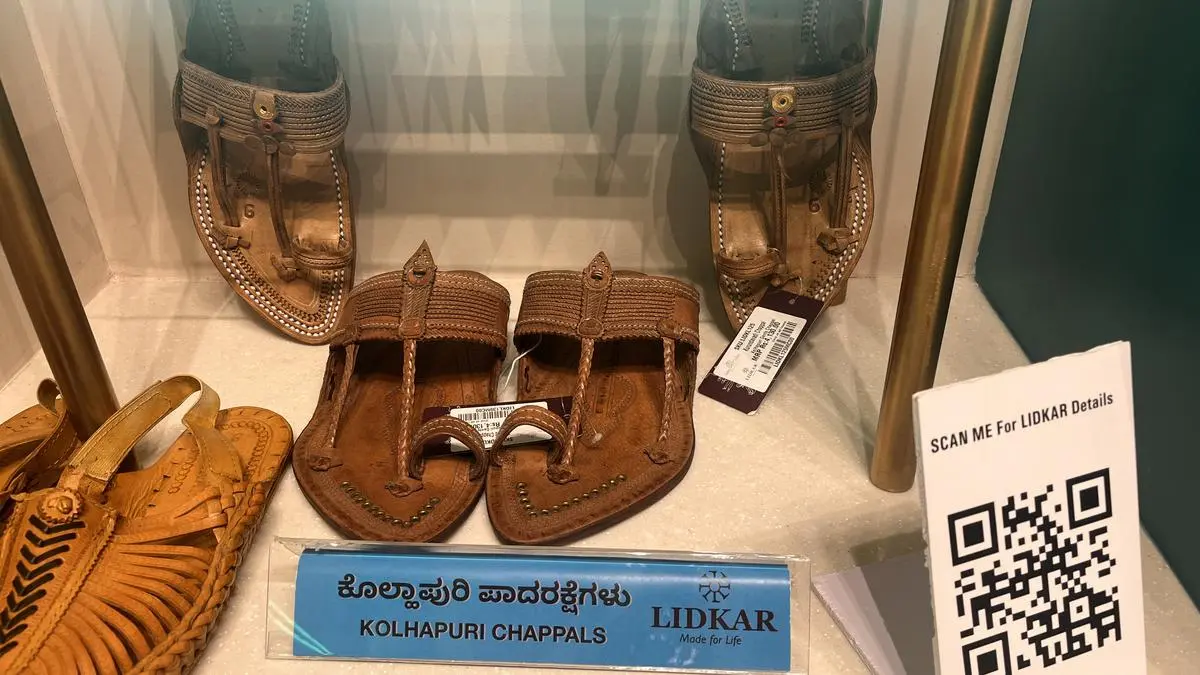
Italian fashion house Prada signed a memorandum of understanding with Karnataka's LIDKAR and Maharashtra's LIDCOM on December 11, 2025, following a controversy over its use of Kolhapuri chappal designs in its Spring-Summer 2026 Men's Collection during Milan Fashion Week in June 2025. The MoU was signed at the Italy-India Business Forum in Mumbai, with Prada now marketing the footwear as 'Made in India x Inspired by Kolhapuri Chappals crafted by LIDCOM and LIDKAR artisans'.

Six advocates had filed a public interest litigation at the Bombay High Court in July 2025, seeking action against Prada for unauthorised use of the Kolhapuri chappal design without crediting the artisan communities from Karnataka and Maharashtra. The court dismissed the petition on July 16, 2025, observing that the GI Act gives LIDCOM and LIDKAR, the government-run bodies holding the GI tag, the legal right to seek relief, not the petitioners.
India has 822 registered GIs as of May 2026, including traditional footwear like Chamba Chappal and textile patterns such as Pochampalli Ikat. The GI tag, designed to protect community knowledge and enable producers to charge a premium, has not prevented such appropriation, with the final product still carrying Prada's name rather than the artisans'.
Indian Opinion Analysis
The Kolhapuri chappal case shows a structural weakness in India's GI regime. Unlike wines and spirits under WTO rules, handicrafts get weaker legal protection. The GI Act does not oblige GI holders to sue, leaving enforcement to state-run bodies like LIDKAR and LIDCOM, which have limited resources and political will. The artisans themselves have no direct standing in court, as the Bombay High Court ruling made clear. For the 822 GIs in India, the Prada episode sets a precedent: without proactive legal action by GI proprietors, international brands can use traditional designs and settle only after public pressure. The EU-India free trade negotiations underway in 2026 may seek to expand GI protection for non-agricultural products, but the immediate lesson is that legal rights mean little without enforcement. The next test will be whether LIDKAR or LIDCOM ever sues a brand on their own initiative.
Source: thehindu.com
This story was synthesised by AI from the source linked above. Methodology and corrections.