












Now Reading: Pumas in Washington cut deer-vehicle collisions by 76%
-
01
Pumas in Washington cut deer-vehicle collisions by 76%



A study published in Current Biology has found that the presence of pumas on Washington’s Olympic Peninsula reduces deer-vehicle collisions by 76%. Researchers observed that deer in areas with pumas shift activity…
The Story in Brief
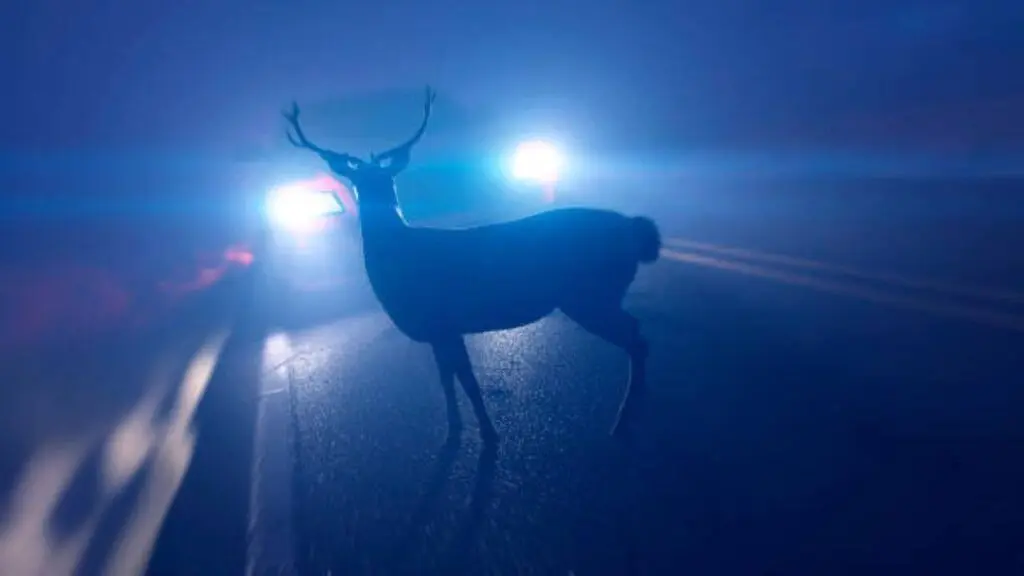
A study published in Current Biology has found that the presence of pumas on Washington’s Olympic Peninsula reduces deer-vehicle collisions by 76%. Researchers observed that deer in areas with pumas shift activity to daylight hours and are 15% less likely to be near roads, instead staying in remote habitats. This behavioural change leads to a 67% drop in the likelihood of a collision. The study highlights an ecosystem service from large carnivores that is often overlooked. In the US, deer-vehicle collisions cause 200, 400 human deaths and over $10 billion in damages annually, according to a 2025 study.
The Indian Opinion
The usual narrative around large carnivores focuses on the risks they pose to humans and livestock. This study offers a counterpoint: pumas effectively act as unpaid traffic safety officers. The finding that deer avoid roads and shift to daytime activity in predator territory challenges the instinct to eliminate these animals near human settlements. The real test will be whether state agencies and residents accept the trade-off. If puma populations are allowed to recover, how many of the 1.5 million annual deer-vehicle collisions in the US could be avoided?
Source: timesofindia.indiatimes.com
This story was synthesised by AI from the source linked above.