






















Now Reading: US Senate passes Russia sanctions bill; India faces 100% tariffs
-
01
US Senate passes Russia sanctions bill; India faces 100% tariffs

US Senate passes Russia sanctions bill; India faces 100% tariffs

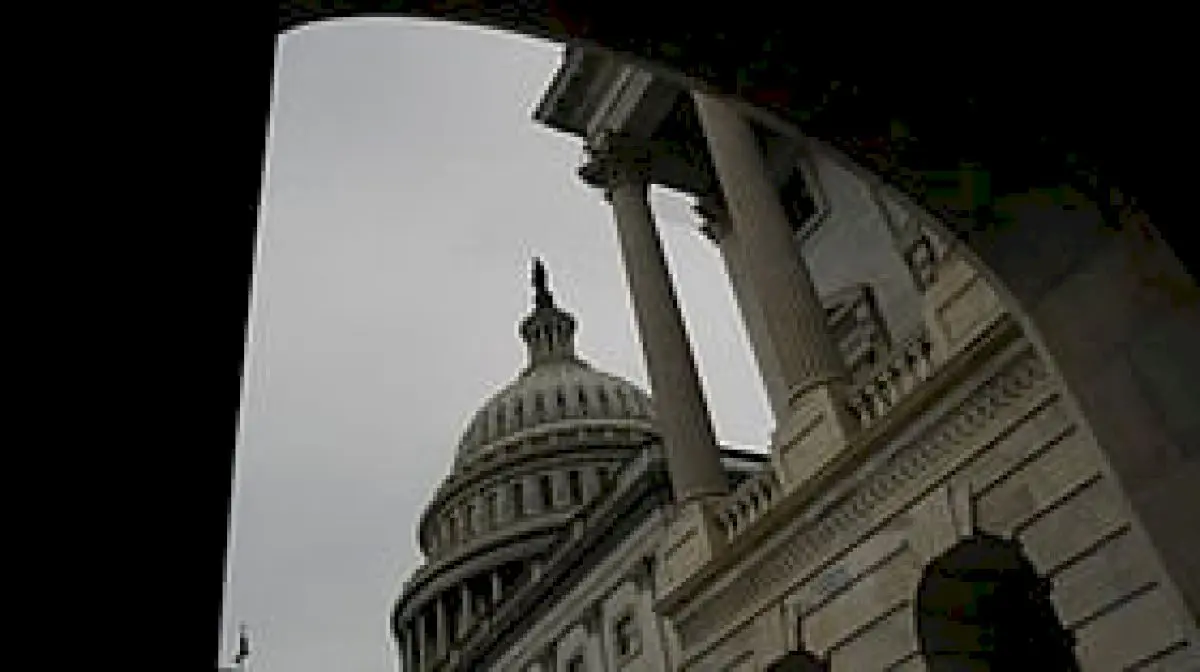
The US Senate passed the Lindsey O. Graham Sanctioning Russia and Iran Act of 2026 by an 86-11 vote on Friday, 7 August. The bill allows President Donald Trump to impose tariffs…
The Story in Brief
The US Senate passed the Lindsey O. Graham Sanctioning Russia and Iran Act of 2026 by an 86-11 vote on Friday, 7 August. The bill allows President Donald Trump to impose tariffs of up to 100 per cent on goods from the top five importers of Russian oil and gas, currently China, India, Azerbaijan, Hungary and Slovakia. Named after the late Republican senator Lindsey Graham, the legislation also extends Iran sanctions until 2031 and targets Russian officials, oligarchs and the shadow fleet. The bill now moves to the House of Representatives, which returns from recess on 31 August. Senior Democrats have criticised the tariff provisions, warning they hand Trump sweeping new trade powers. The development adds uncertainty to ongoing India-US trade negotiations, with an interim bilateral trade deal still not finalised.
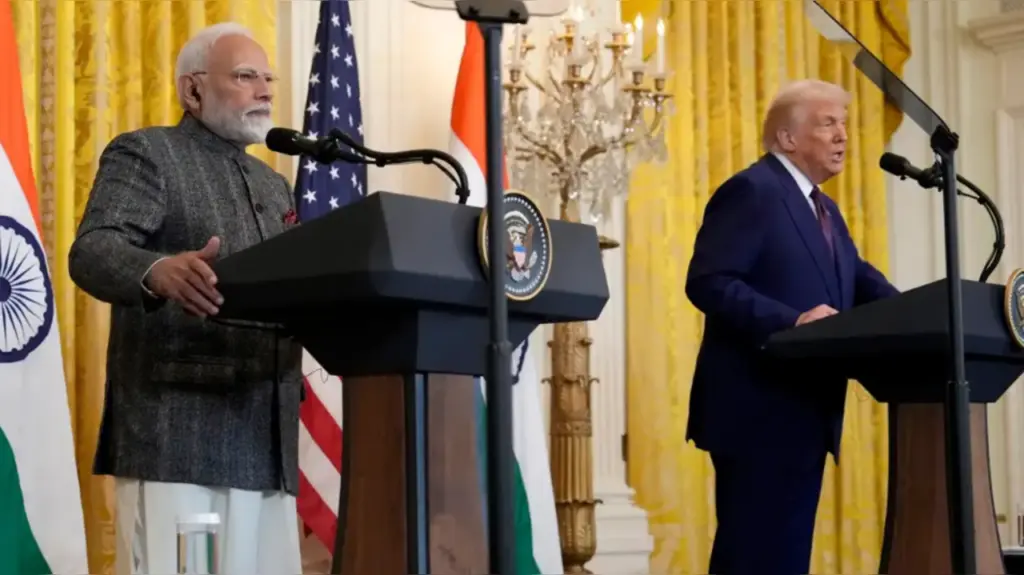
The legislation does not name India directly but uses trade data to identify the top buyers. Republican Senator Deb Fischer cited India, China and Brazil in a statement supporting the bill. If enacted, it could force India to choose between continued Russian energy imports and favourable trade terms with the US.
The Indian Opinion
Some Indian commentators will frame this as America bullying a strategic partner. But the bill is bipartisan, passed 86-11, and explicitly targets China and Brazil too. Others may shrug it off as a legislative threat unlikely to survive the House. Yet the bill gives President Trump broad tariff powers at a time when India is negotiating a trade deal. The real test: will the House pass it by September? And if it becomes law, will Trump actually impose the tariffs on India, or use them as leverage in trade talks?
Sources (4): deccanherald.com, timesnownews.com, nationalheraldindia.com, telanganatoday.com
This story was synthesised by AI from the 4 sources linked above.
Updated: this story now draws on 4 sources.