













Now Reading: RBI says Indian economy resilient in FY27 despite West Asia risks
-
01
RBI says Indian economy resilient in FY27 despite West Asia risks


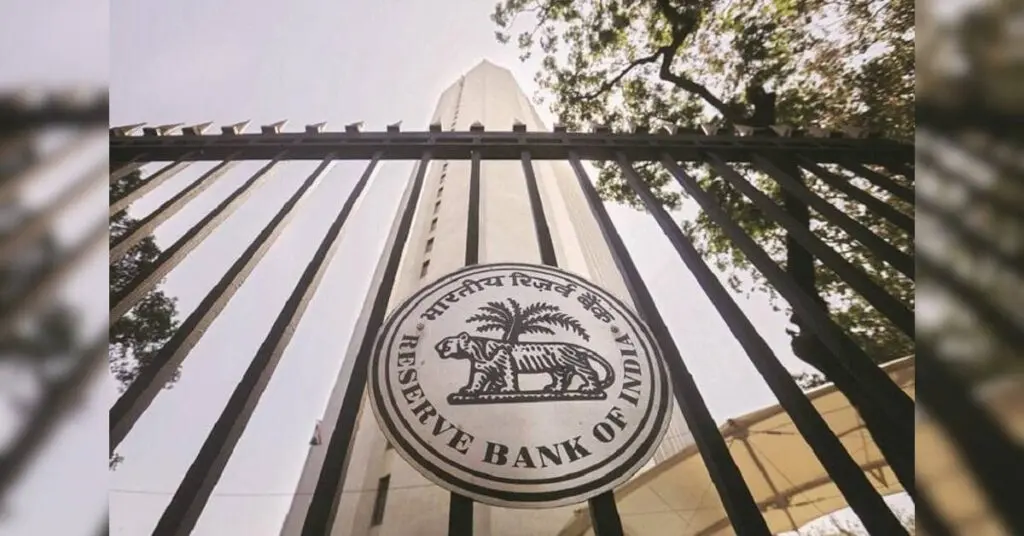
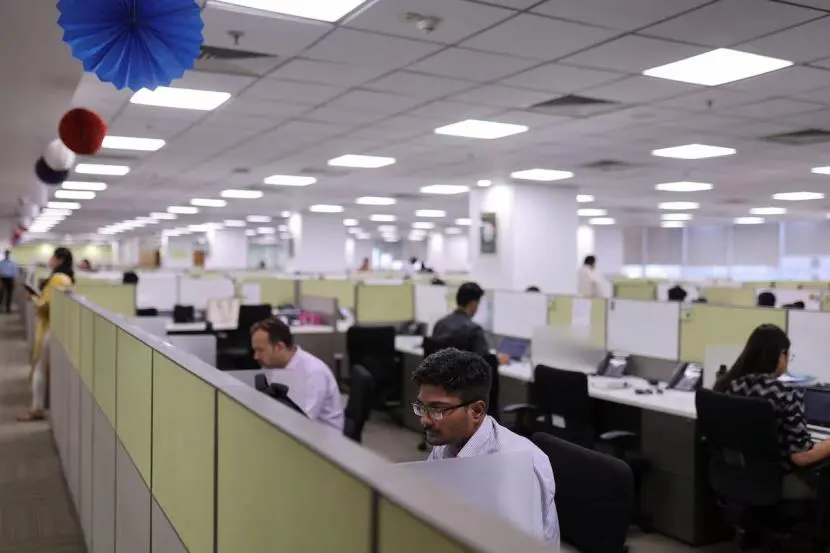
The RBI has said the Indian economy will remain resilient in 2026-27 despite a challenging external environment, including elevated energy prices and volatility in global markets. The central bank's Annual Report, released on May 29, cited robust domestic demand and a stable policy environment as key supports.

The Indian EYE reports that GDP is estimated to grow 7-7.2% in the first quarter of FY27, according to a Bank of Baroda report. Manufacturing, electricity and construction are expected to lead, with industrial growth projected at 6.8%. The report notes risks from delayed monsoons and a 44.7% rise in crude prices.
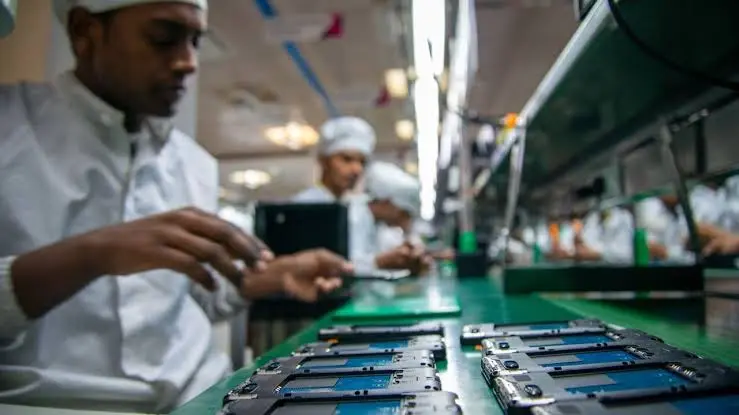
The government has launched a Rs 62,500 crore Mobile Phone Manufacturing Scheme for FY27-FY31, aiming to double cumulative production to Rs 40 lakh crore. MSCI India earnings growth is estimated at 11% for CY26. The next key data point is the Q1 GDP print expected in August 2026.
Indian Opinion Analysis
The Hindu leads with the RBI's official optimism about FY27, framing resilience as a product of strong fundamentals. The Indian EYE, however, foregrounds specific sectoral data and government schemes, offering a more granular, cautiously optimistic picture. It also plainly states the risks: agriculture weakness, commodity price surges, and external uncertainties. While The Hindu presents the central bank's view as authoritative, The Indian EYE's report implies that resilience is active policy, not automatic. A balanced reading: the economy is stable, but sustained growth depends on managing external shocks and domestic sectoral imbalances. Watch the Q1 GDP print, due in August 2026, to validate these projections.
Coverage: 2 sources, 2 neutral
Sources (2): thehindu.com (neutral report), theindianeye.com (neutral report)
This story was synthesised by AI from the 2 sources linked above. Methodology and corrections.
Updated: this story now draws on 2 sources.