














Now Reading: Red Sea crisis enters 1,000th day as trade disruption persists
-
01
Red Sea crisis enters 1,000th day as trade disruption persists


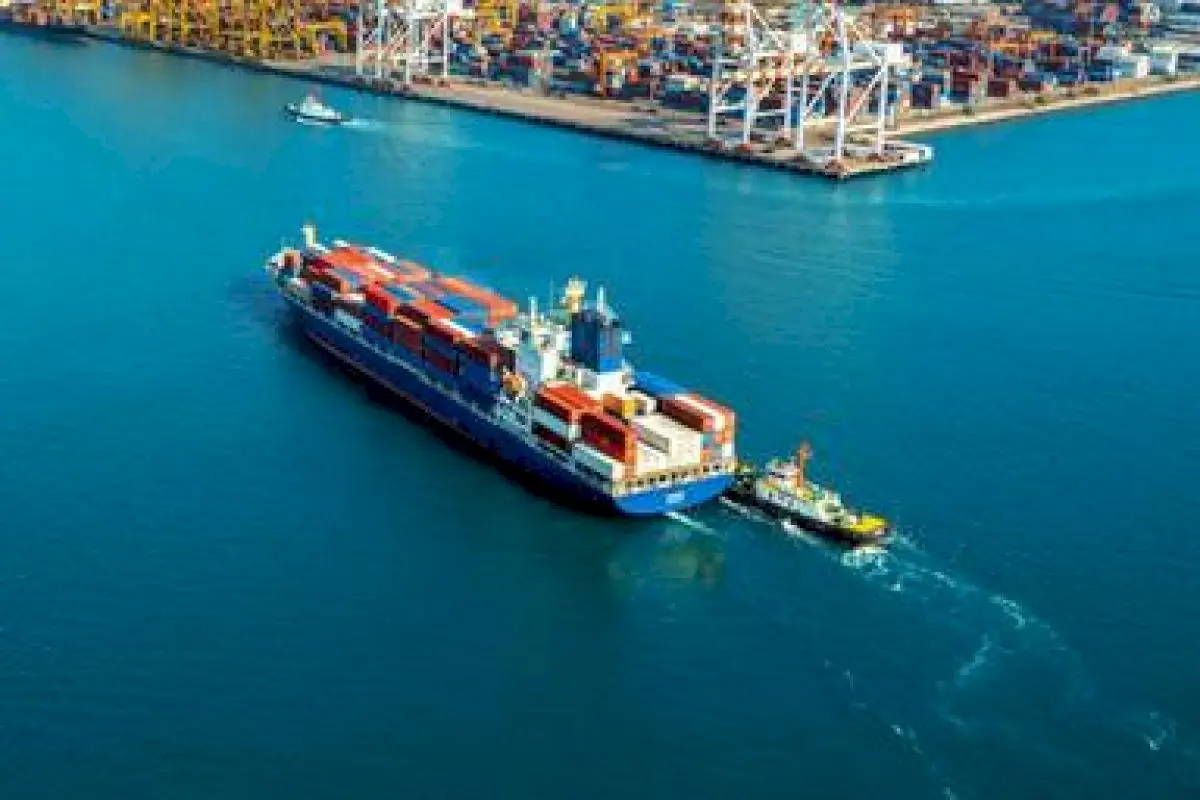
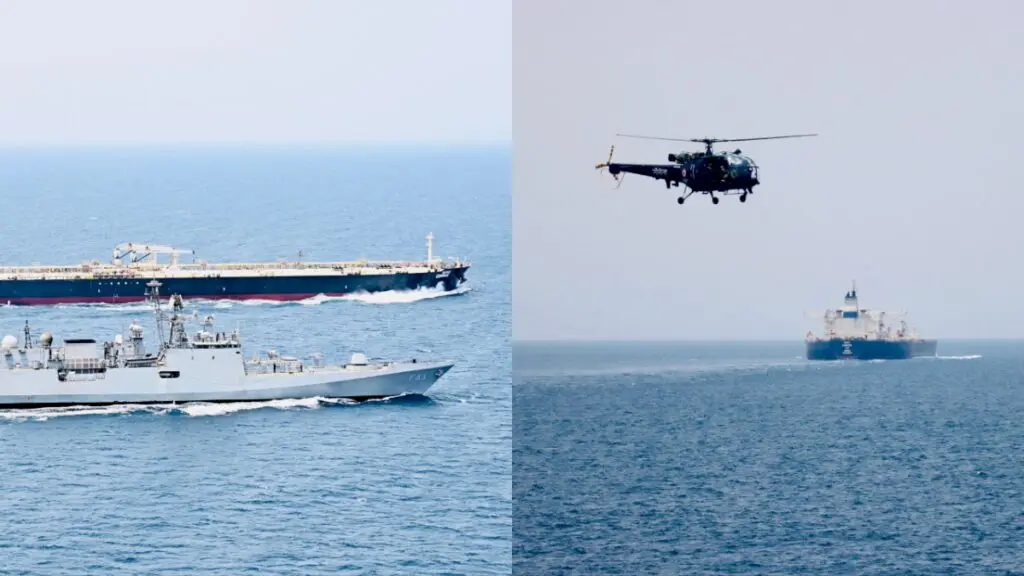
The Red Sea shipping crisis today completed 1,000 days since Houthi rebels seized the cargo ship Galaxy Leader on November 19, 2023. The disruption has forced carriers to divert vessels around the…
The Story in Brief
The Red Sea shipping crisis today completed 1,000 days since Houthi rebels seized the cargo ship Galaxy Leader on November 19, 2023. The disruption has forced carriers to divert vessels around the Cape of Good Hope, adding two weeks per journey between Asia and Europe. Freight rates remain 25-40 per cent above pre-crisis levels, with shipping lines incurring an additional $3-4 million in fuel and operational costs per voyage. War-risk premiums have risen by nearly $500,000 per voyage.
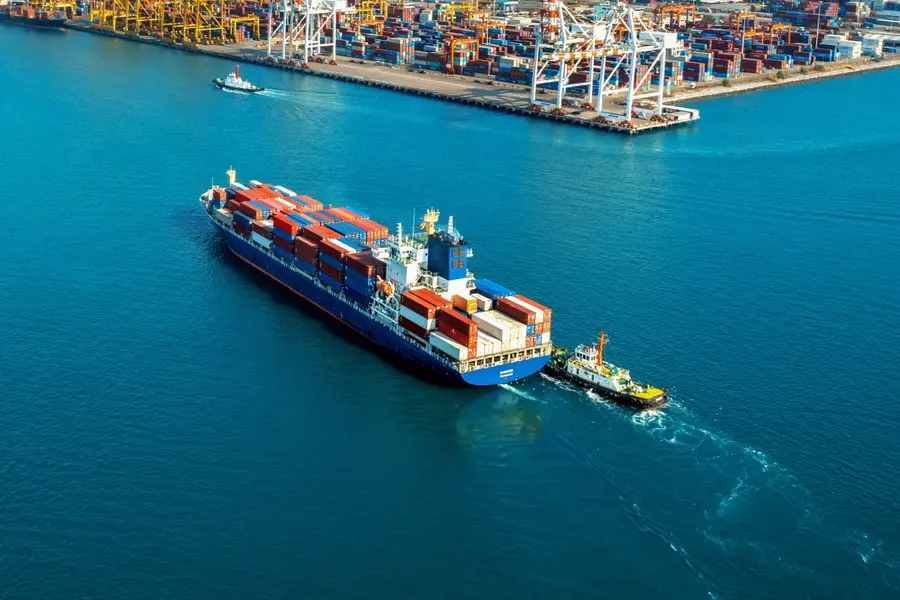
For Indian exporters, sectors such as automotive, textiles, and leather face higher freight costs and longer transit times. The Hindu Business Line reports that at the crisis peak, freight rates on some India-Europe and India-US routes surged 200-400 per cent. MSME exporters have been hit hardest as low-margin goods like garments, rice, and marine products cannot absorb extra costs. The crisis has also exposed India's dependence on foreign shipping lines, leaving domestic trade vulnerable to foreign carriers' pricing and capacity decisions.
The Indian Opinion
Two lazy narratives compete: that military patrols alone can restore trade confidence, and that geography permanently handicaps India. The 1,000-day mark proves neither. Saudi-led airstrikes and naval deployments have not stopped Houthi drones from raising insurance premiums, while Indian exporters still sail largely on foreign ships. The real test is not who controls the strait, but whether New Delhi fast-tracks its own tonnage and invests in corridors like IMEC and INSTC before the next chokepoint crisis arrives.
Sources (2): english.mathrubhumi.com, thehindubusinessline.com
This story was synthesised by AI from the 2 sources linked above.
Updated: this story now draws on 2 sources.