
















Now Reading: Right to walk on footpaths is fundamental, Supreme Court rules
-
01
Right to walk on footpaths is fundamental, Supreme Court rules


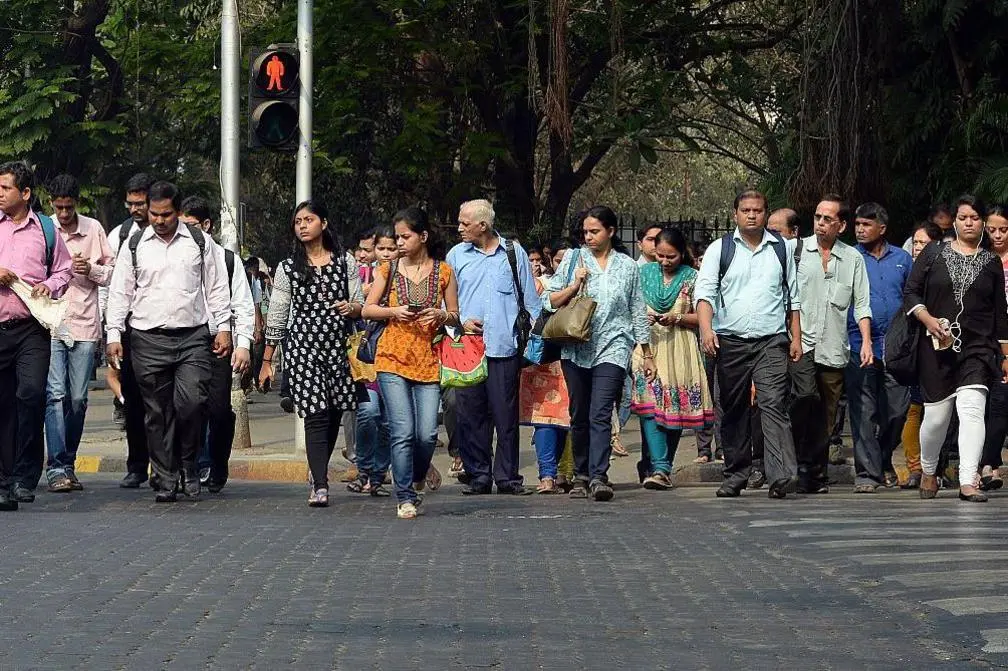
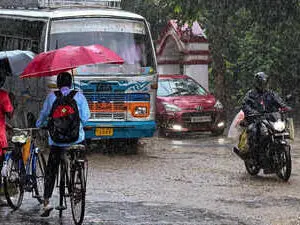
The Supreme Court declared in June that the right to walk safely on designated footpaths is a fundamental right. The judgment came after a five-year-old boy was crushed by a truck while walking to school with his father. Justice P S Narasimha wrote that walking is 'the simplest of the simple human activity, inextricably connected to life' and that 'the fundamental right to walk on demarcated footpaths shall override the privilege of a motorised vehicle'.
Around 45 million people walk to work every day in India, compared with only about 5.4 million who commute in private cars. A 2019 survey of selected cities found that 63% of all journeys were made on foot. Yet pedestrians account for roughly a fifth of road deaths officially, and independent studies put the share at 30-40%. A 2011 study gave Indian cities a median walkability score of just 47 out of 100. The court has directed the state to provide safe footpaths and has challenged decades of urban planning that prioritised cars.
Indian Opinion Analysis
The Supreme Court's ruling is the culmination of years of advocacy by urban transport activists who have argued that India's car-centric planning violates constitutional guarantees. The court has now created a legal hook for citizens to demand footpath access from municipal bodies and state governments. The real test will be enforcement: will the court follow up with contempt proceedings against recalcitrant authorities? Most Indian cities have no pedestrian audit mechanism, and expenditure on footpaths is a fraction of what is spent on flyovers. A benchmark to watch is the next round of the Smart Cities Mission, where walkability must now become a non-negotiable condition for funding.
Source: bbc.co.uk
This story was synthesised by AI from the source linked above. Methodology and corrections.