




















Now Reading: Indian sugar mills shift to biorefineries for higher value products
-
01
Indian sugar mills shift to biorefineries for higher value products


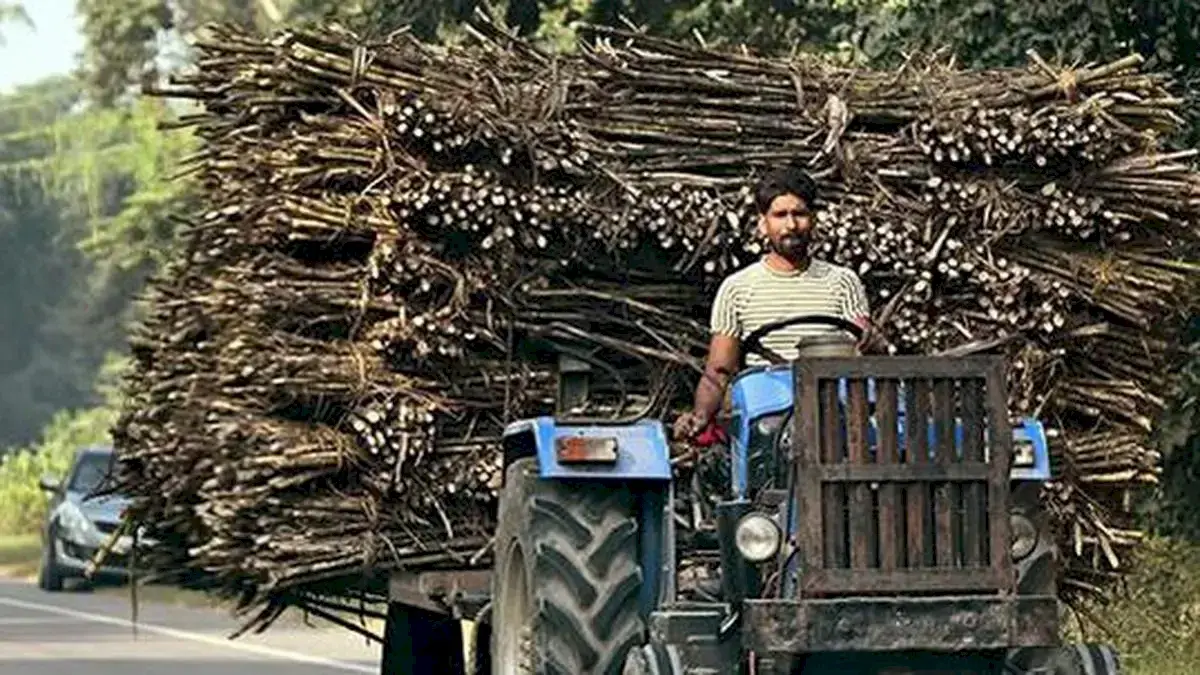
India's sugar industry is transforming from single-product mills into integrated biorefineries that extract value from sugarcane through food, fuel, energy and bio-based products, The Hindu Business Line reports. The shift has been…
India's sugar industry is transforming from single-product mills into integrated biorefineries that extract value from sugarcane through food, fuel, energy and bio-based products, The Hindu Business Line reports. The shift has been catalysed by India achieving 20% ethanol blending in petrol in 2025, five years ahead of target.
The next competitive advantage lies in feedstock flexibility. Government policy now supports converting existing sugarcane-based distilleries into multi-feedstock facilities that can process grains such as maize and broken rice alongside sugarcane, enabling year-round production. By-products including molasses, bagasse, press mud and distillery spent wash are being used for cogeneration, biogas and products like Potash Derived from Molasses (PDM) and Polylactic Acid (PLA).
India has set indicative Sustainable Aviation Fuel blending targets of 1% in 2027, 2% in 2028 and 5% in 2030 for international flights. The first cooperative multi-feedstock compressed biogas plant in a sugar-mill ecosystem was inaugurated in Maharashtra in 2025, marking a concrete step toward the integrated value model the industry is pursuing.
Source: thehindubusinessline.com
This story was synthesised by AI from the source linked above. Methodology and corrections.