














Now Reading: RSS weekly targets ‘dimagi Naxals’ in NAC and NGOs
-
01
RSS weekly targets ‘dimagi Naxals’ in NAC and NGOs


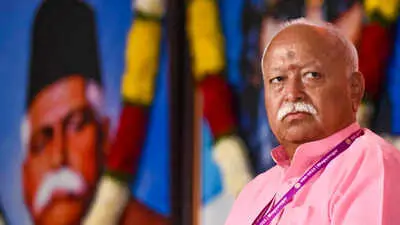
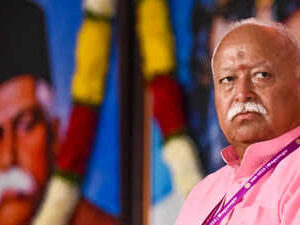
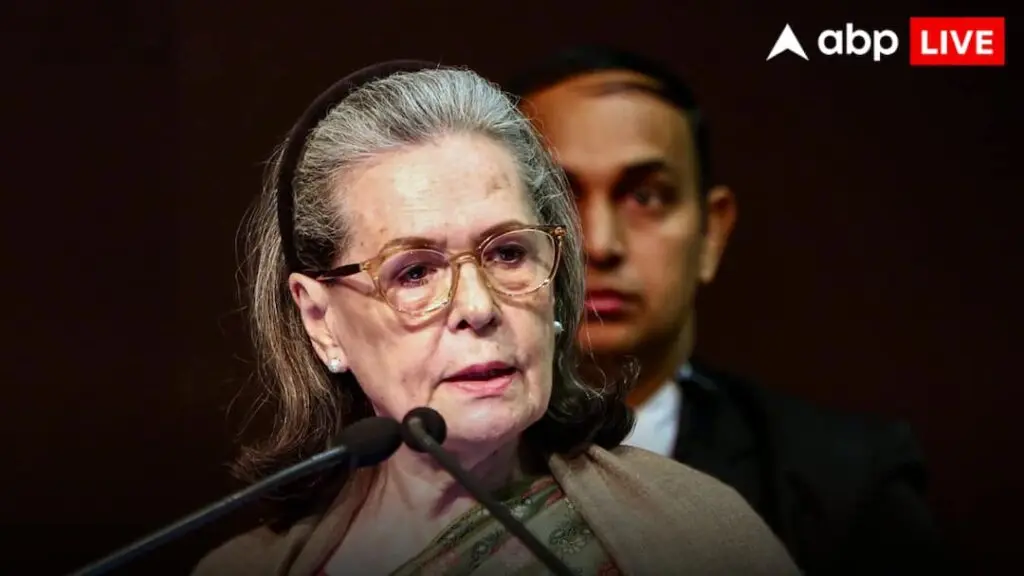
The RSS-affiliated weekly 'Organiser' has joined Prime Minister Narendra Modi's campaign against 'dimagi Naxals', accusing the Sonia Gandhi-led National Advisory Council (NAC) of allowing Maoist-influenced thinking into policymaking during the UPA era.…
The RSS-affiliated weekly 'Organiser' has joined Prime Minister Narendra Modi's campaign against 'dimagi Naxals', accusing the Sonia Gandhi-led National Advisory Council (NAC) of allowing Maoist-influenced thinking into policymaking during the UPA era. In an editorial, 'Organiser' described the NAC as marking the 'classic takeover of the dimagi Naxals of governance', and said the armed rebellion having failed, the intellectual variant had taken charge.
The weekly stopped short of directly accusing Sonia Gandhi or the Congress leadership of links with Maoists, but directed its criticism at the NAC and the ideological influence it brought. It said penetrating the bureaucracy, policy machinery, legal system, academia, media and NGOs formed part of this strategy. In his Independence Day speech, PM Modi said armed Naxalism was nearing its end but those subscribing to the ideology who entered government panels as advisers were still looking to create violence and anarchy.
The government has sought to draw a boundary around the expression. Parliamentary affairs minister Kiren Rijiju said Modi was not accusing opposition leaders or parties, but referring to those supporting Maoists who reject the Constitution. Set up in 2004 and chaired by Sonia Gandhi with cabinet-rank status, the NAC brought activists, academics and experts into policymaking and played an important role in measures such as RTI and MGNREGA.
Indian Opinion Analysis
The NAC was set up in 2004 as a key interface between civil society and the UPA government, and its influence on flagship schemes like MGNREGA and the RTI Act has been widely acknowledged. The 'dimagi Naxal' label expands the political attack beyond armed Maoists to include activists, academics and NGOs, a category that has often been at the centre of government scrutiny in recent years. The debate now hinges on how far the government will apply this label, and whether it will lead to policy or legal action against civil society organisations. The next indicator to watch is any official clarification or directive from the home ministry on the scope of the term.
Source: timesofindia.indiatimes.com
This brief was synthesised by AI from the source linked above.