













Now Reading: Centre tightens safety norms for e-cycles and e-bikes
-
01
Centre tightens safety norms for e-cycles and e-bikes


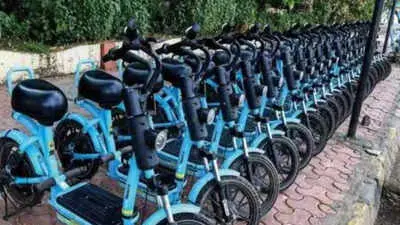
The road transport ministry has proposed tighter technical and safety norms for low-speed electric cycles and e-bikes with a maximum speed of 25 kmph and motor power below 600 watts. Manufacturers will…
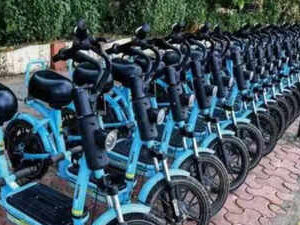
The road transport ministry has proposed tighter technical and safety norms for low-speed electric cycles and e-bikes with a maximum speed of 25 kmph and motor power below 600 watts. Manufacturers will now need to get these vehicles certified by authorised testing agencies before they can qualify for exemption from the Motor Vehicles Act.
Currently, electric two-wheelers with motor power below 250 watts do not require registration as they are not treated as motor vehicles. The new definition expands this threshold to 600 watts, which officials have called more realistic. The draft amendments also mandate that all such vehicles must use only lithium-ion batteries instead of lead-acid batteries.
The proposal requires pedal-assisted e-bicycles to progressively reduce and cut off motor assistance once the vehicle reaches 25 kmph or when the rider stops pedalling. Vehicles must also be fitted with suitable brakes and retro-reflective devices for visibility. The move follows rapid growth in low-speed electric two-wheelers as affordable urban transport, many of which have operated with limited regulatory oversight.
Indian Opinion Analysis
The shift from 250 watts to 600 watts brings India closer to global norms, where most jurisdictions define low-speed e-cycles at the higher threshold. Lead-acid batteries, now banned under the draft, are cheaper but heavier and less eco-friendly than lithium-ion. The certification mandate closes a regulatory gap that allowed many affordable models to enter the market without safety checks. For manufacturers, compliance costs will rise, likely pushing up prices for budget e-cycles. The transport ministry will now invite public objections and suggestions before finalising the rules.
Source: timesofindia.indiatimes.com
This brief was synthesised by AI from the source linked above.